좀비 위성은 수명이 다해 폐기된 위성이 예기치 않게 다시 작동을 시작하며 지구로 신호를 보내는 현상을 말합니다. 공식적인 우주 기관들은 이를 우주 쓰레기로 분류하지만, 아마추어 연구자들은 간헐적으로 신호를 내보내는 이 위성들의 반쯤 죽은 특성—전자적으로는 살아있지만 기능적으로는 이미 죽은—에 착안해 '좀비'라는 이름을 붙였습니다.
이 위성들은 인간의 의도와 통제를 벗어나 표류하면서 묘한 독립성과 고유성을 갖게 됩니다. 잊혀졌지만 분명히 존재하는 것. 기능적 죽음과 물리적 실재 사이 어딘가에 놓인 이 물체는, 생산성과 효용만으로 존재의 가치를 판단하는 현대 사회 속 자아를 되비추는 거울이 됩니다. 좀비 위성은 결국 이렇게 묻습니다. 작동과 효율을 기준으로 존재의 지위를 박탈하는 이 지배적인 분류 체계가 인간과 사물 모두에 똑같이 적용될 때, 과연 그것은 정당한가.
이 작품은 좀비 위성을 위한 메타포로 카프카의 '오드라덱(Odradek)'이라는 이름을 가져옵니다. 본래의 기능을 잃은 순간 인간의 이해와 통제에서 벗어나버리는 좀비 위성처럼, 오드라덱 역시 어떤 범주로도 포착되지 않는 존재입니다. 효용과 정밀함으로 정의되는 일반적인 기술 산물과 달리, 자신만의 리듬으로 궤도를 도는 이 위성은 대체를 거부하며 자율적이고 분류 불가능한 타자로 떠오릅니다.
죽음을 맞이하는 것들은 모두 살아있는 동안 어떤 목적과 활동을 가졌고, 그것이 닳아 없어진 것이다. 하지만 오드라덱에게는 그런 것이 적용되지 않는다.
프란츠 카프카(Franz Kafka), 『가장의 근심(The Cares of a Family Man)』
카프카의 소설 속 오드라덱처럼—그 기원도, 목적도, 형태도 끝내 밝혀지지 않는—좀비 위성의 실체 역시 물리적으로도, 개념적으로도 우리 손에 닿지 않습니다. 이 프로젝트가 '스페이스 오드라덱(Space Odradek)'이라는 이름을 택한 것도 그 때문입니다. 버려진 잔해들을 새로운 시선으로 바라보며, 유용함과 존재 사이의 경계를 묻고, 지구 궤도를 떠도는 정체불명의 물체들과 지상의 예술적 장치들이 만나는 가상의 랑데부 지점을 만들어냅니다.
이러한 맥락에서 Space Odradek은 신호를 계속 송출하는 고장난 위성—이른바 좀비 위성—과 우주에 방치된 물체들을 탐구합니다. 목적을 잃은 것들이 정말로 죽은 것인지, 아니면 새로운 존재의 형태로 다시 태어날 수 있는지를 질문하는 작업입니다. 기술 문명의 잔해를 예술적 장치로 재해석하며, 유용함과 쓸모없음의 경계가 과연 어디에 있는지를 되묻습니다.
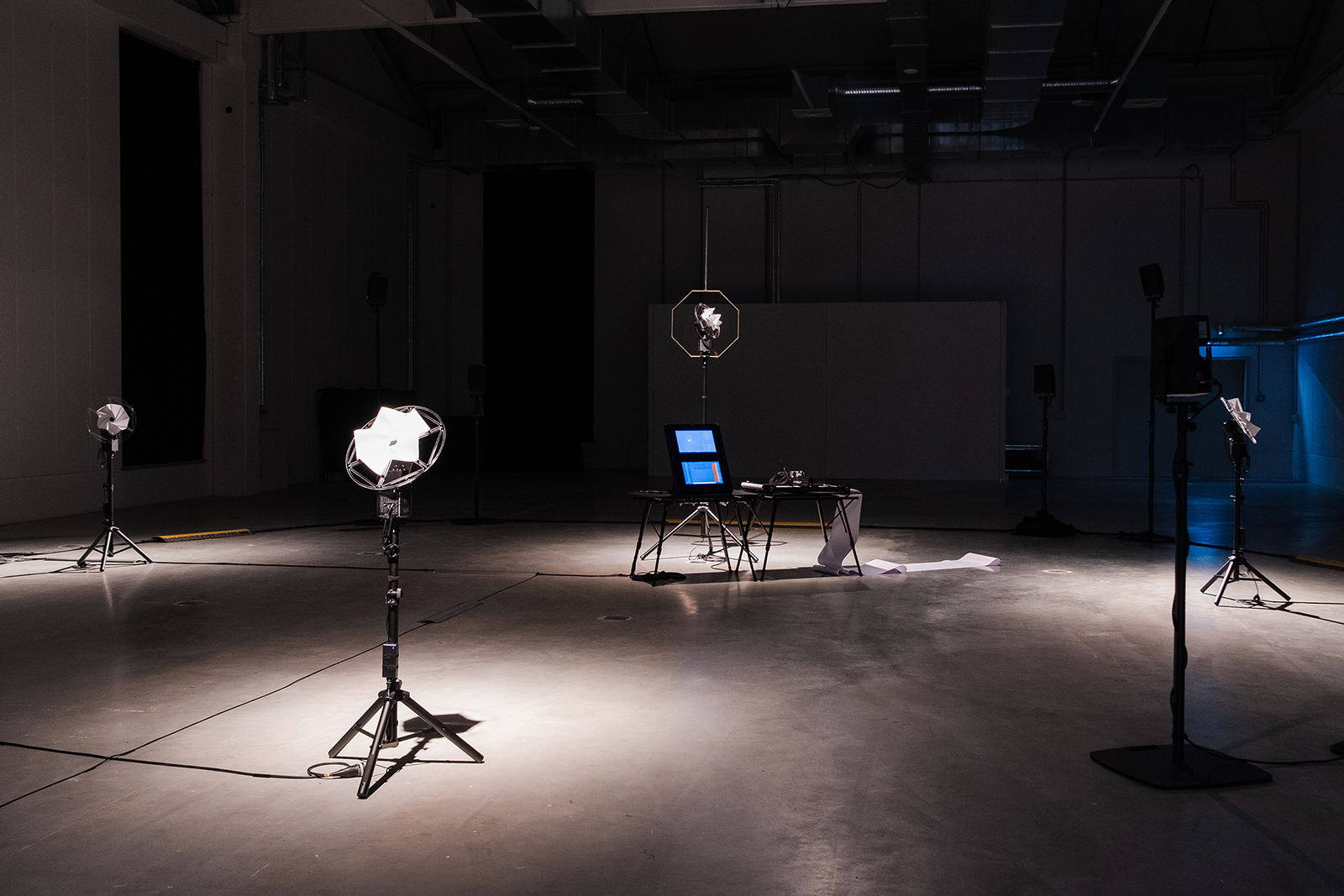
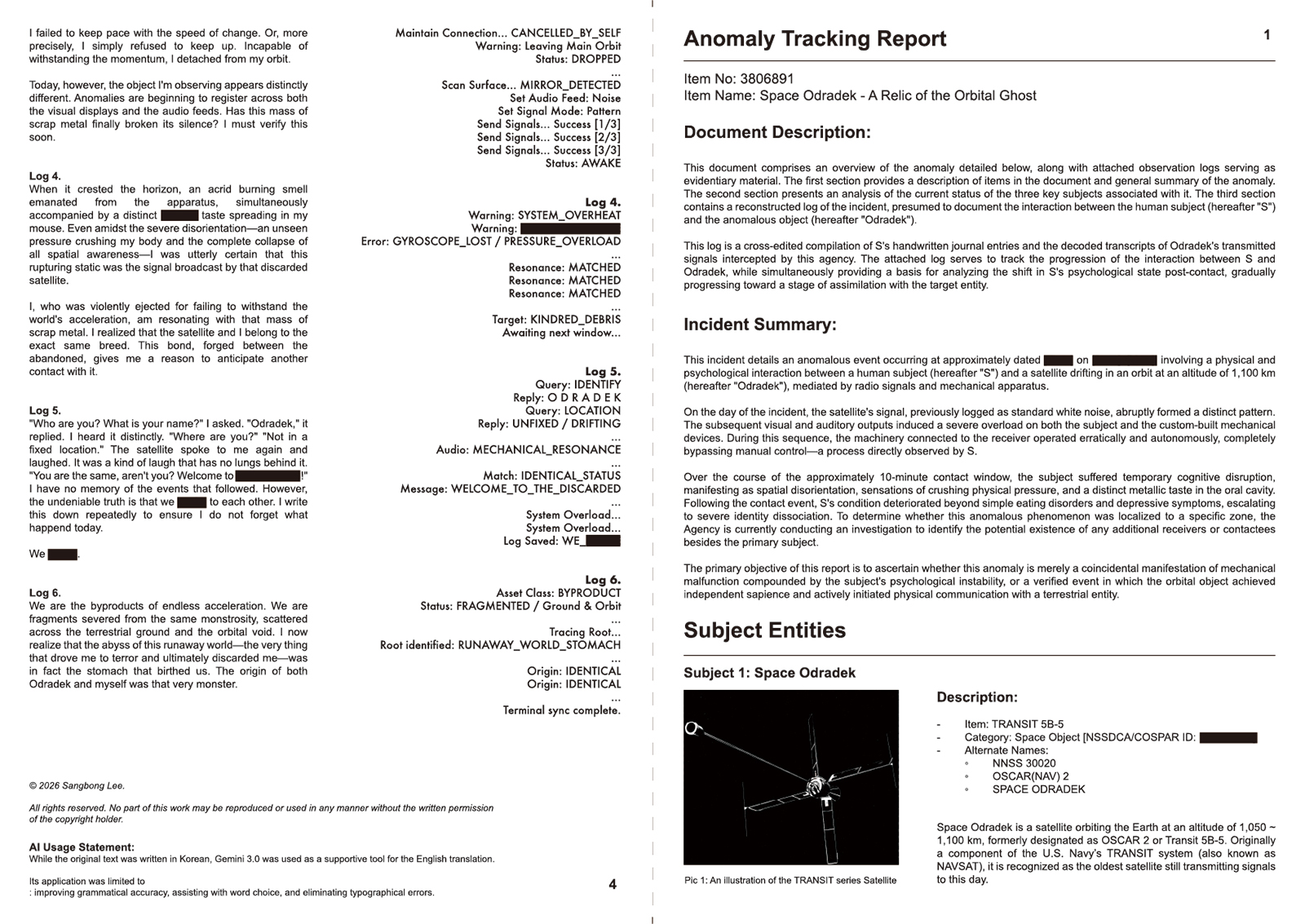
작품은 여기서 한 걸음 더 나아가, 미확인 위성 신호에 집착하는 가상의 우주 고고학자라는 허구적 인물을 끌어들입니다. 전시장은 그가 불가사의한 경험을 한 실제 장소로 탈바꿈하고, 관람객에게 제공되는 정부 보고서 형식의 텍스트는 현실과 픽션의 경계를 교묘하게 흐립니다. 이 서사 장치는 관람객을 투기적 시나리오 안으로 끌어들이며, 좀비 위성과의 조우라는 기이한 경험에 깊이 몰입하게 만듭니다. 기계적 퍼포먼스와 맞물린 이 장치는 기술이 남긴 유령 같은 흔적을 온몸으로 감각하게 해줍니다.
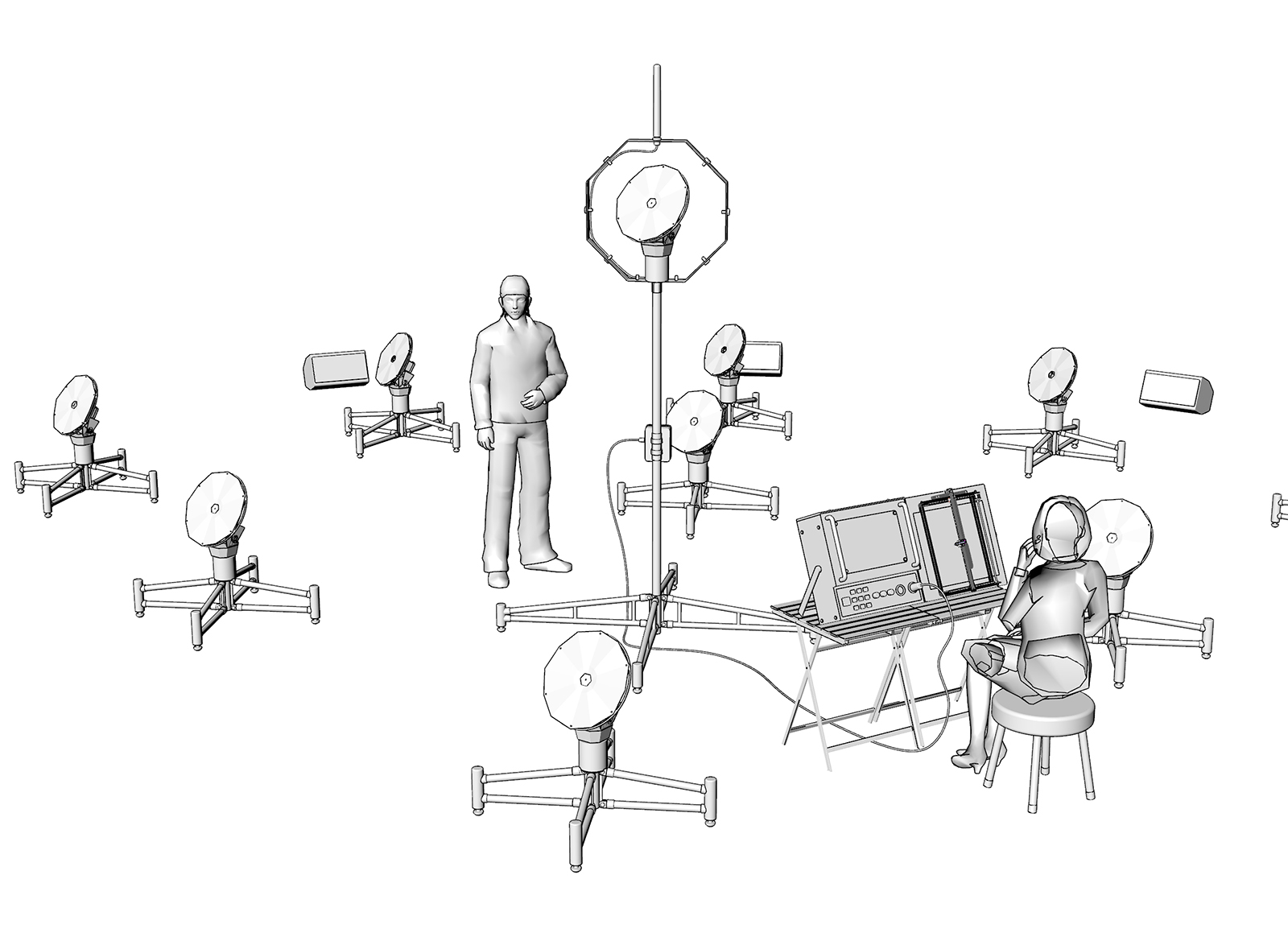
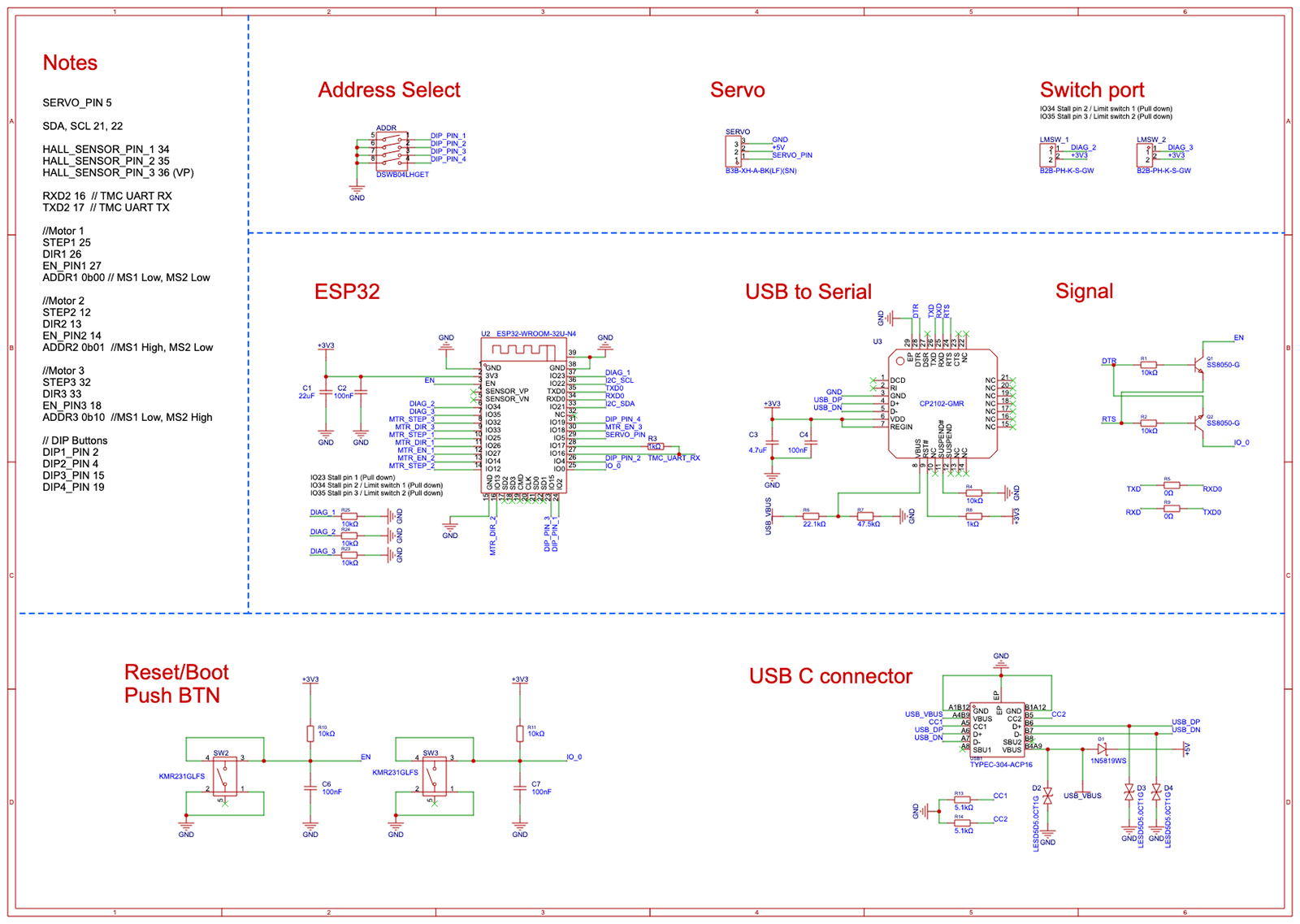
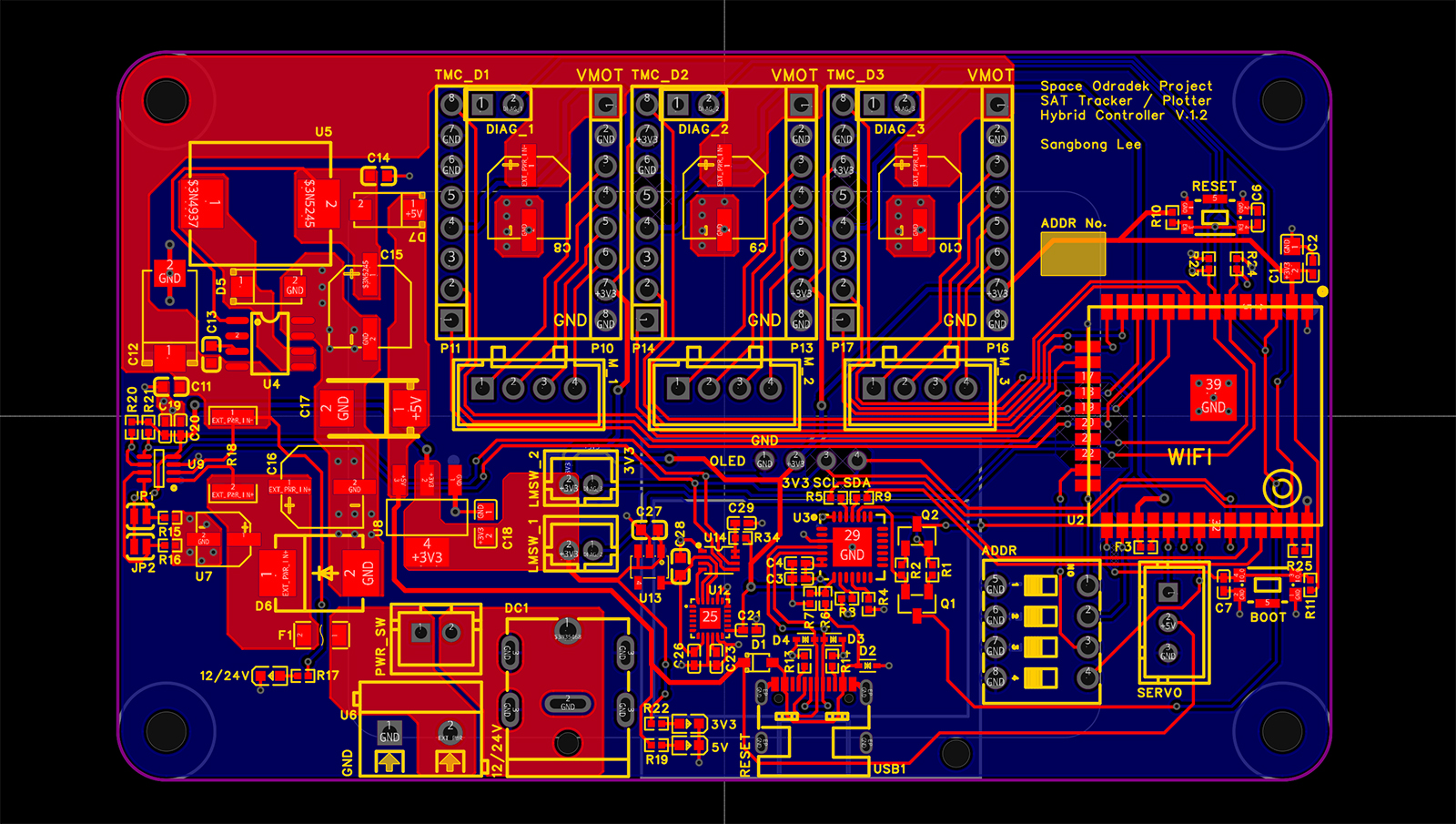
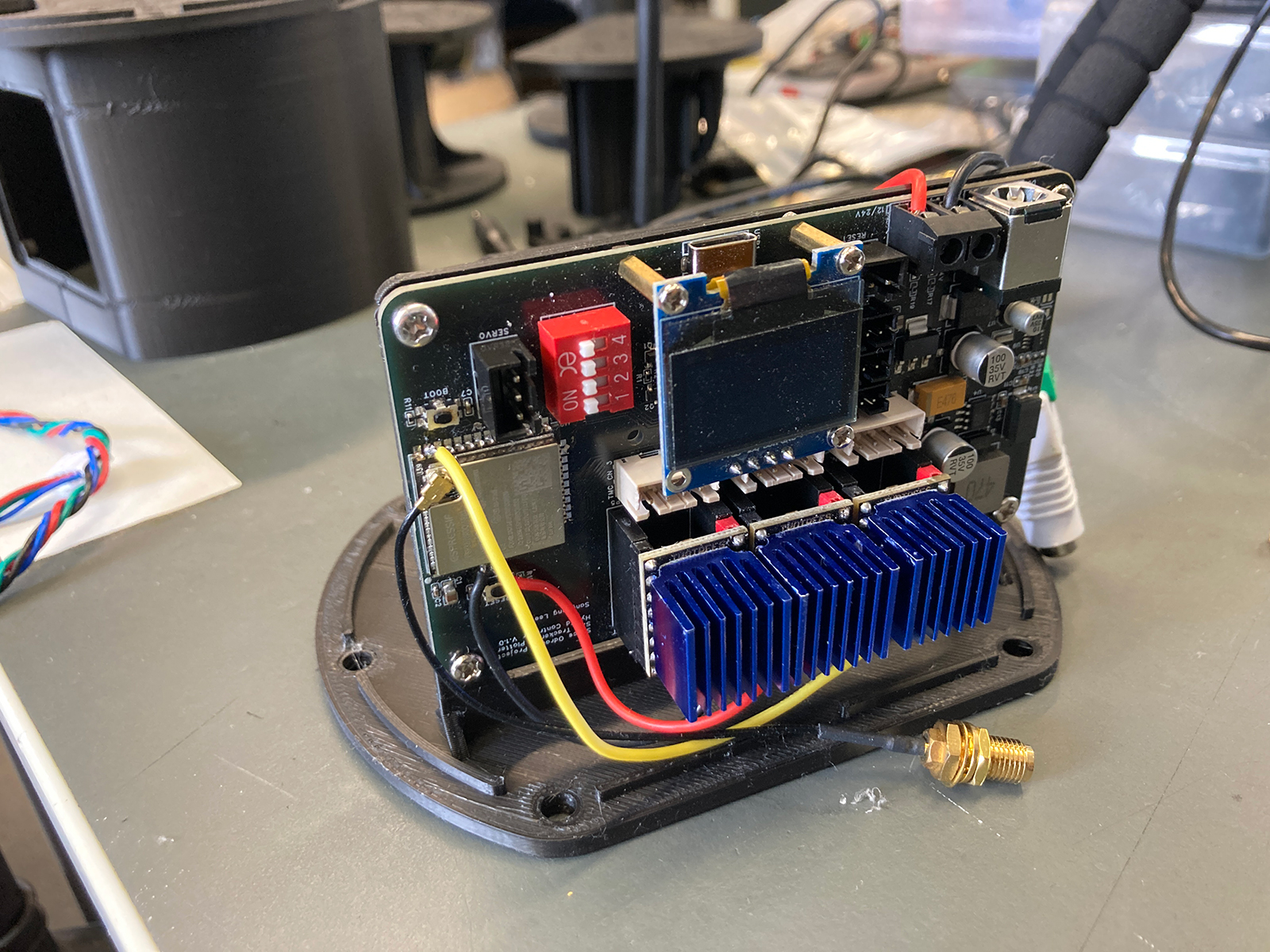
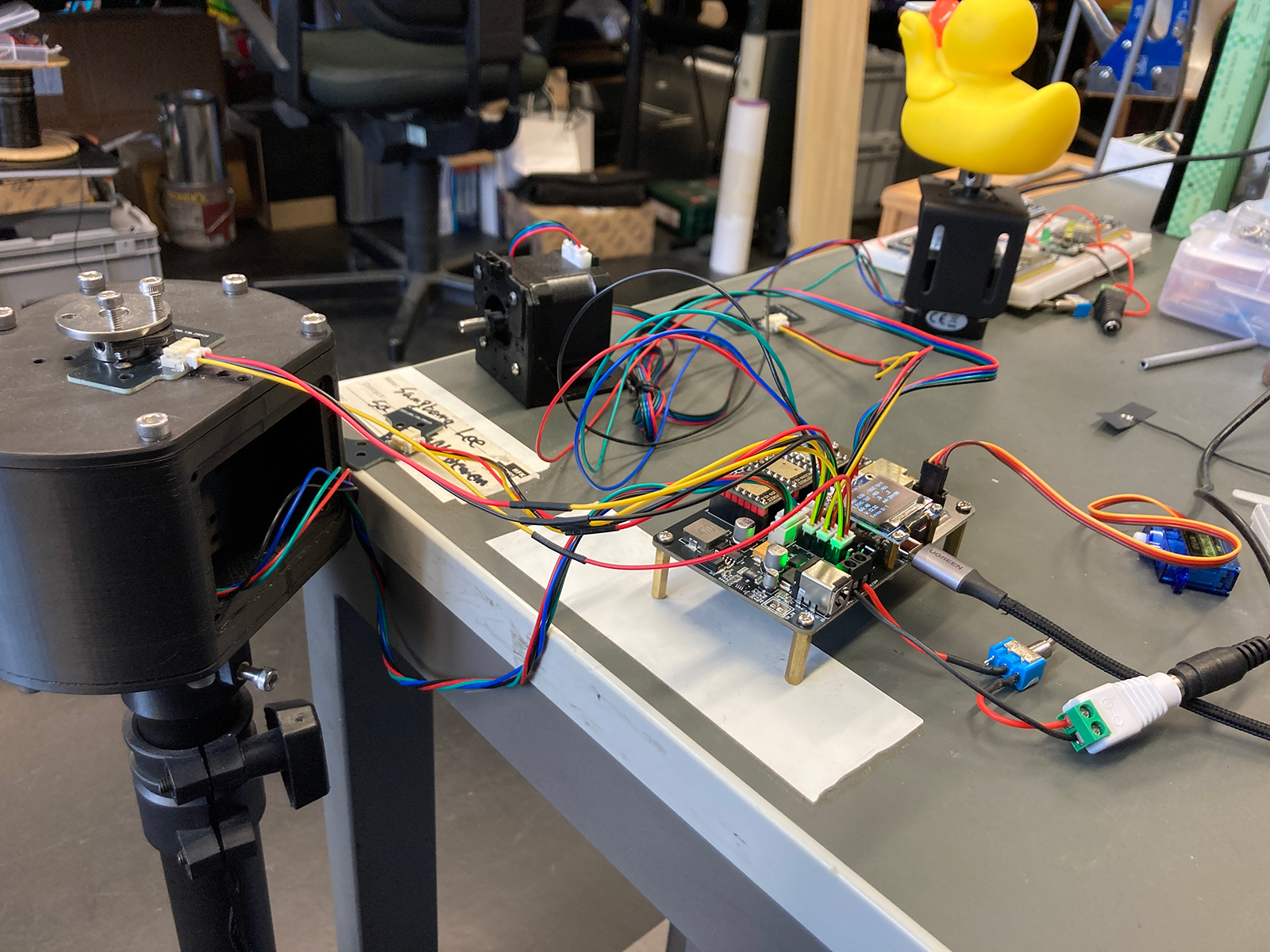
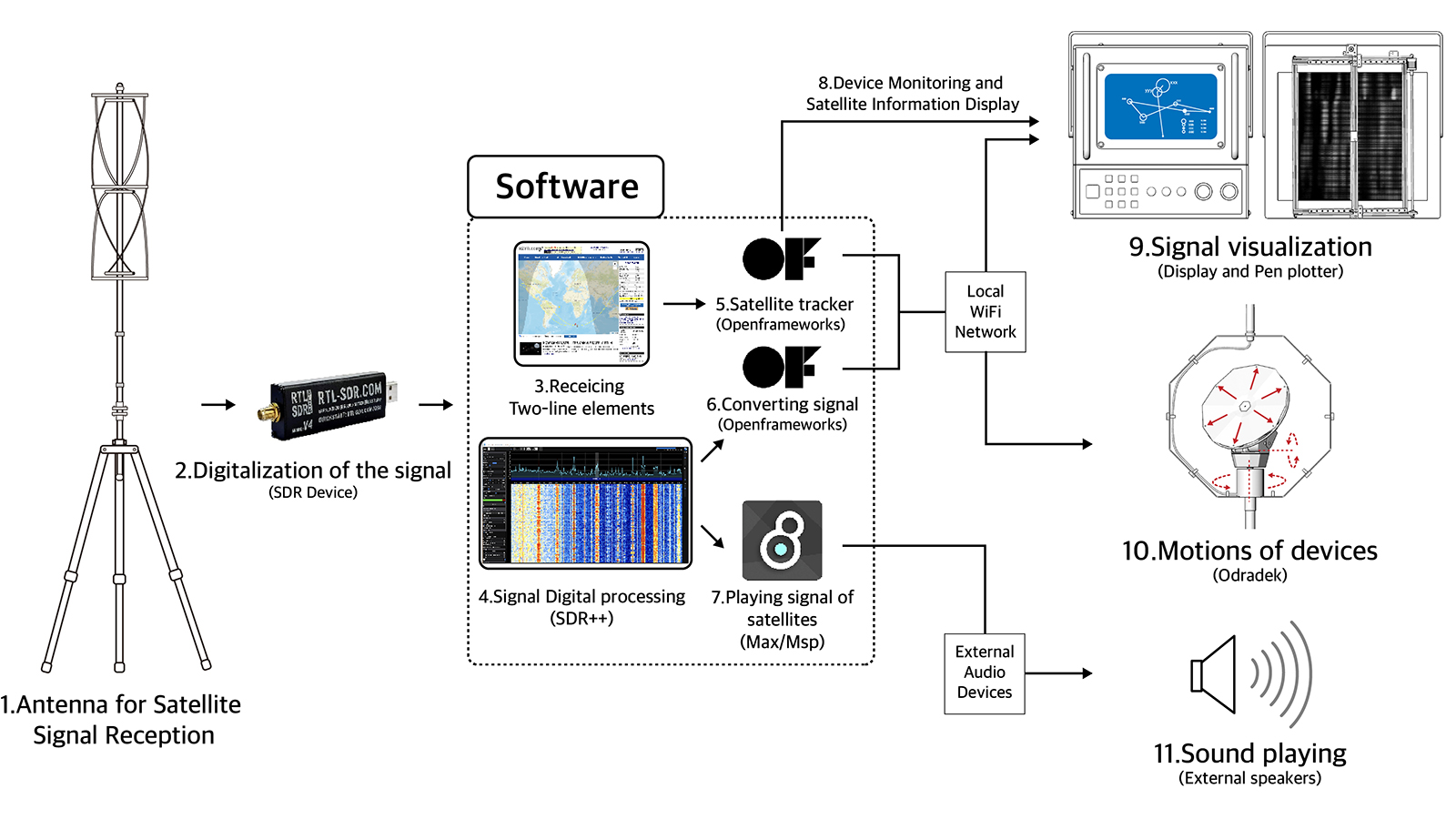
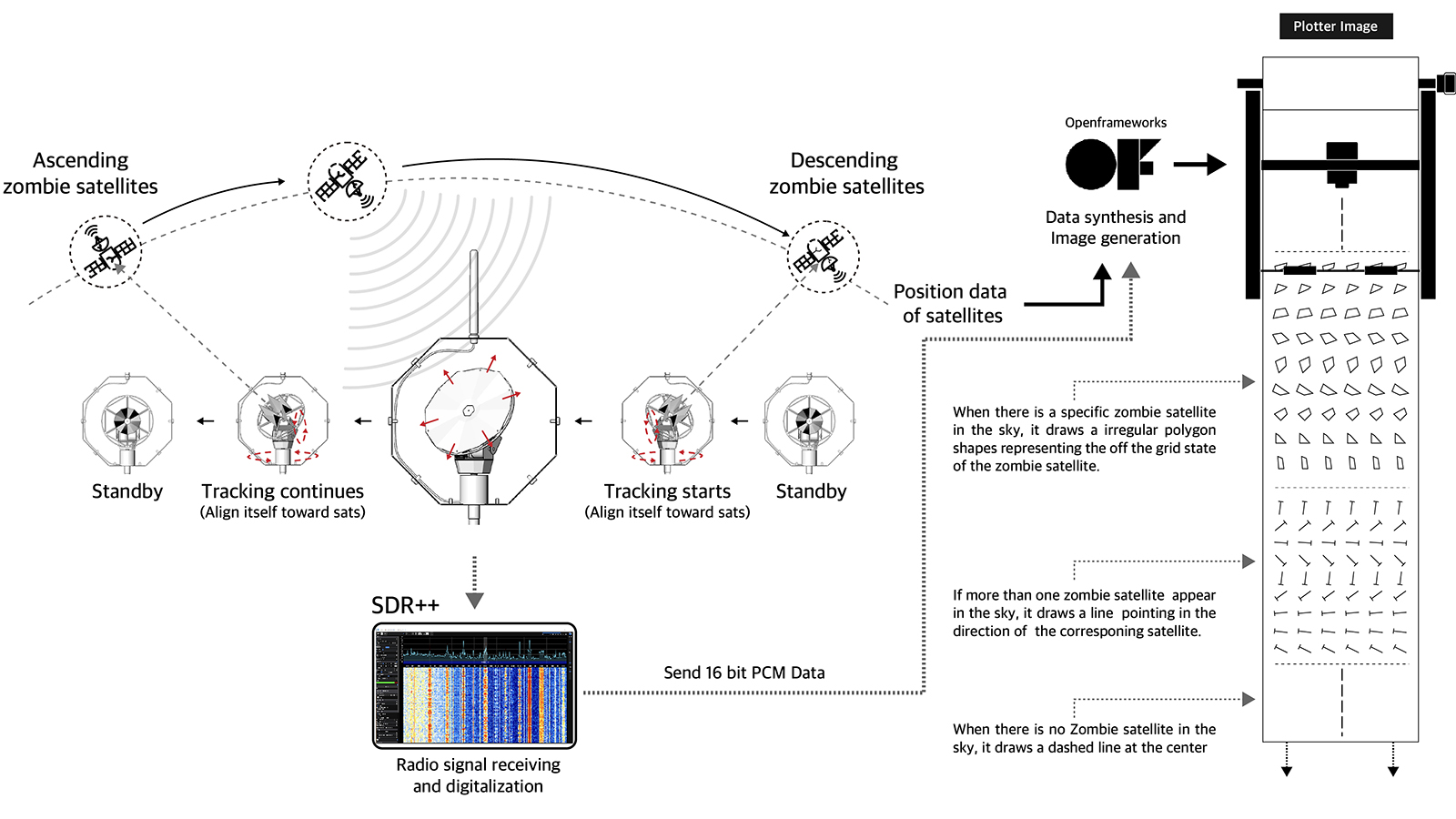
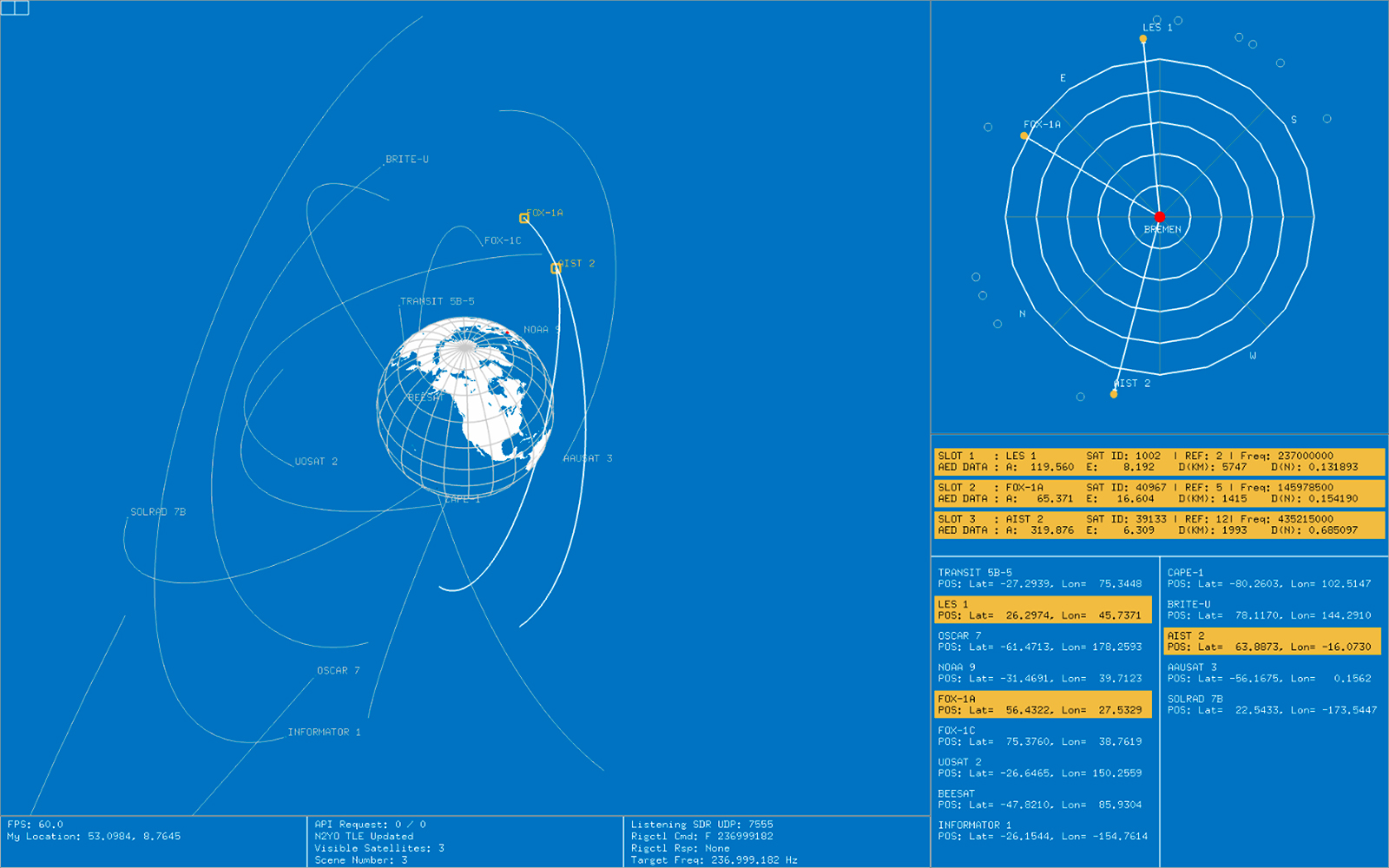
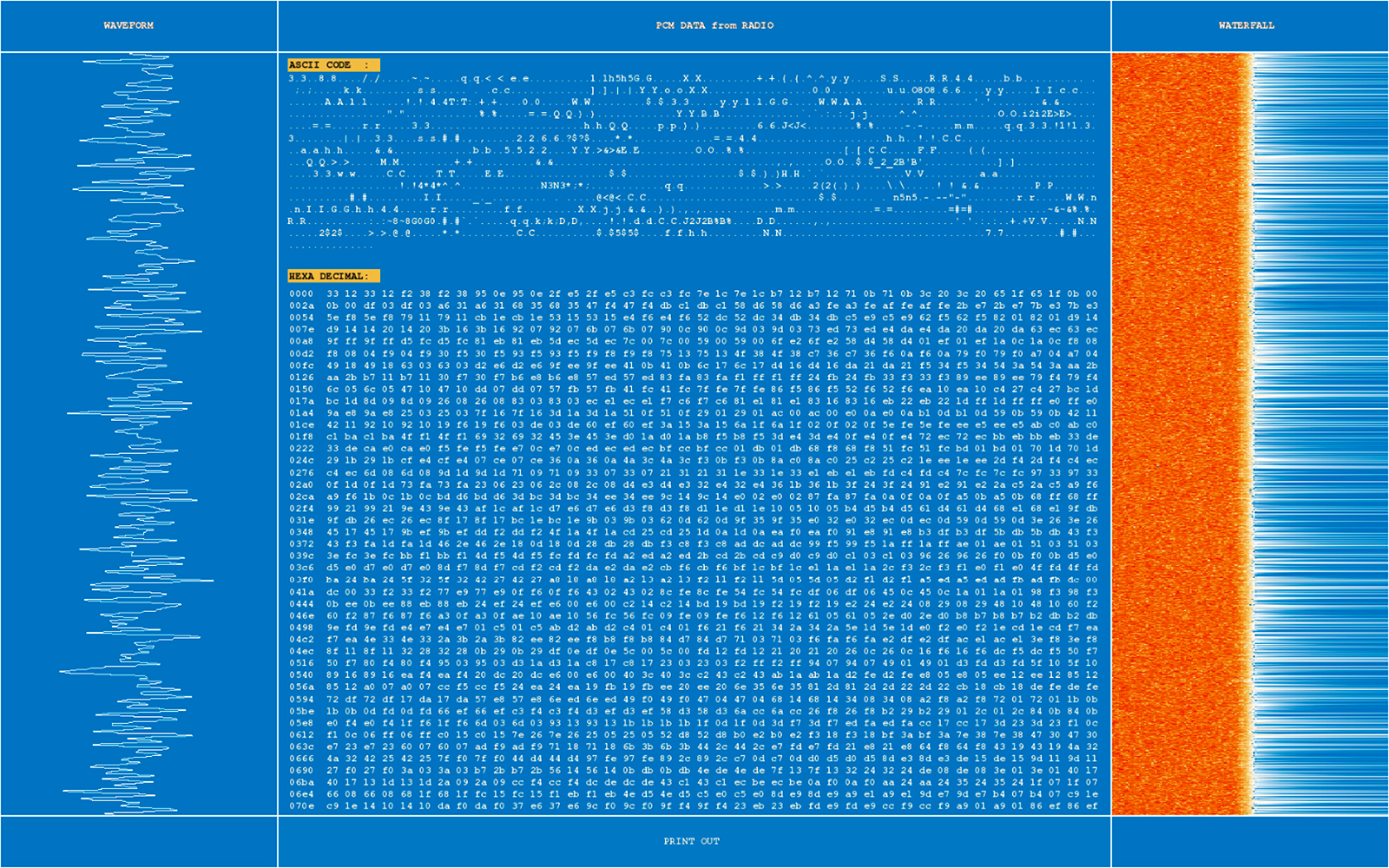
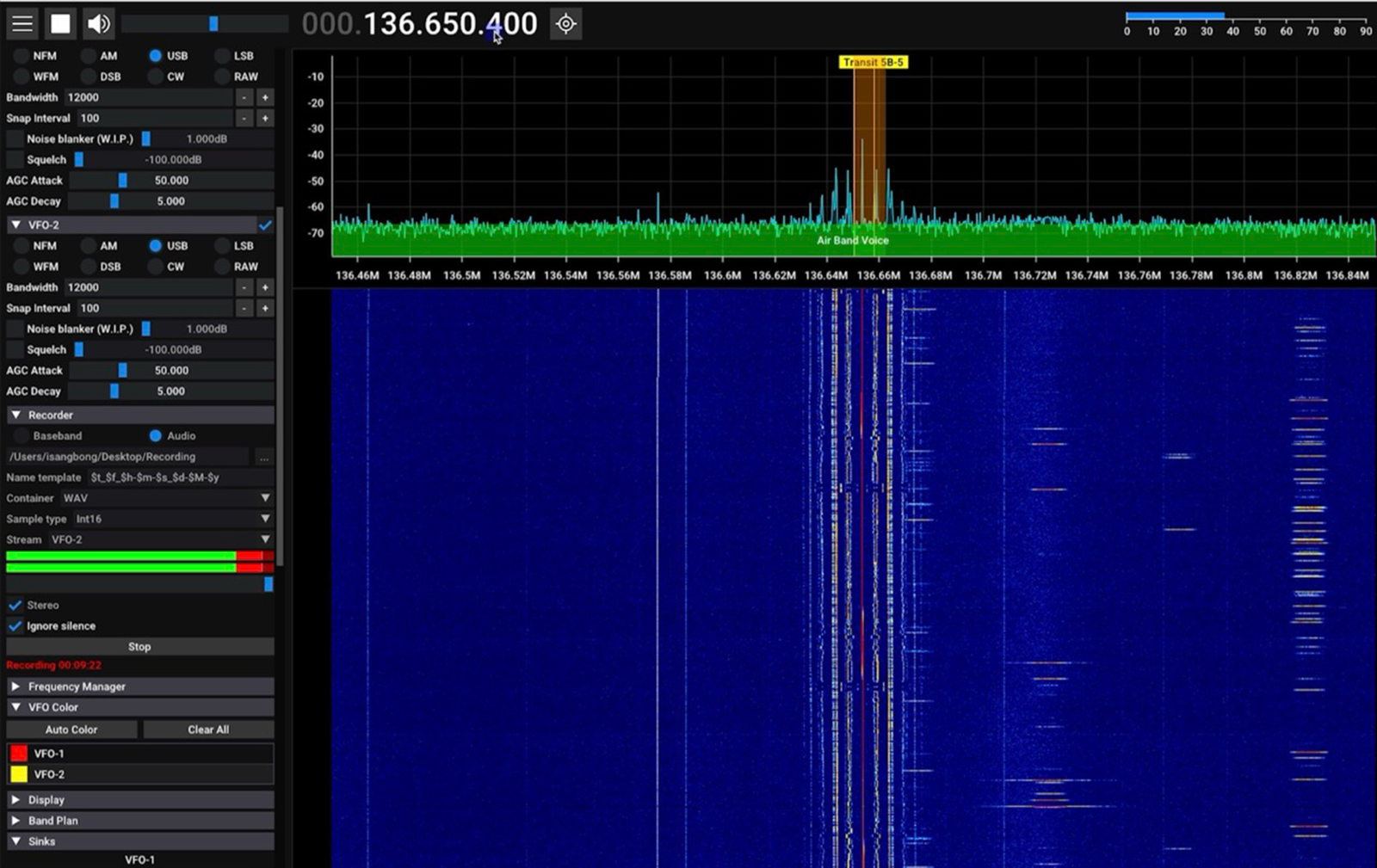
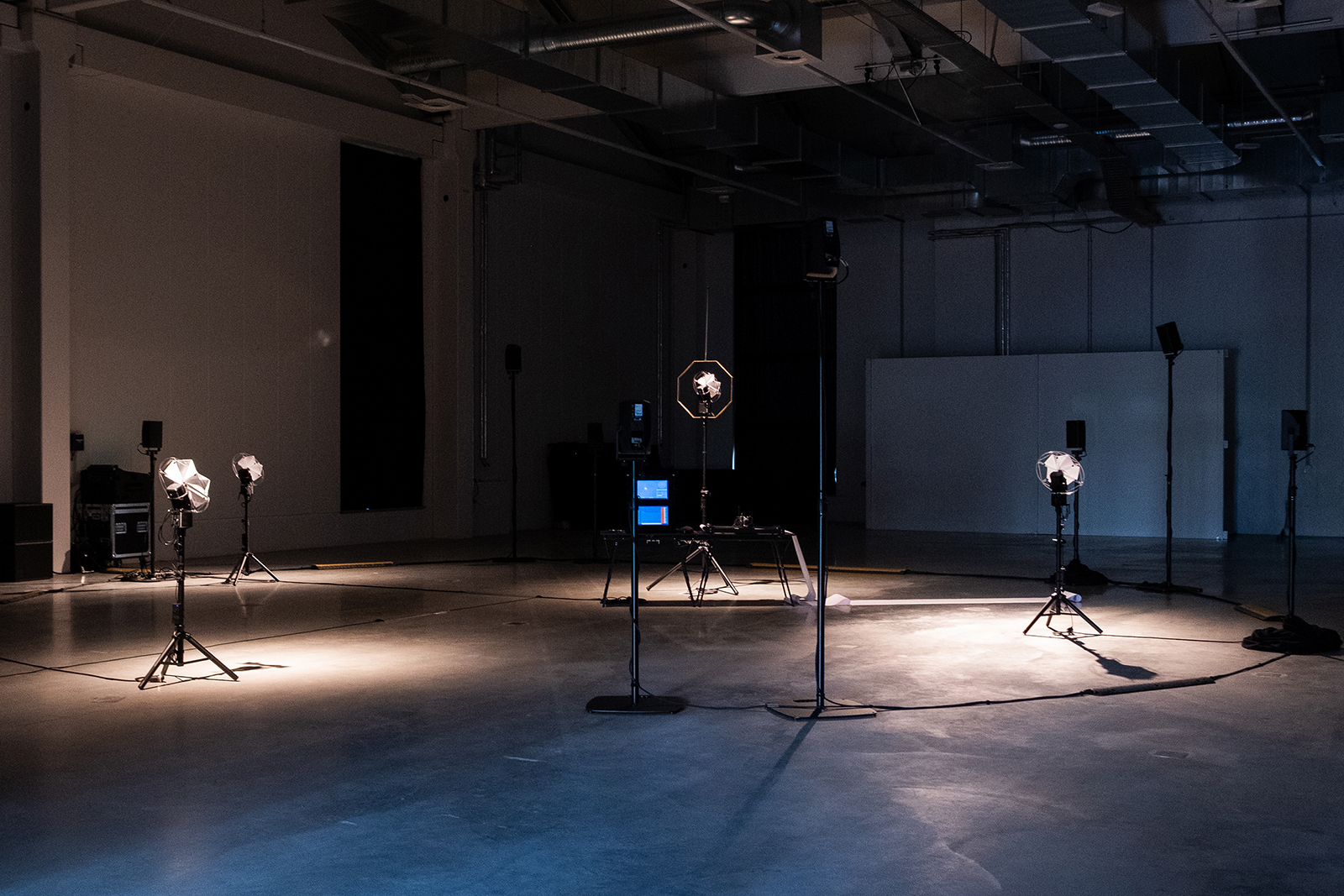
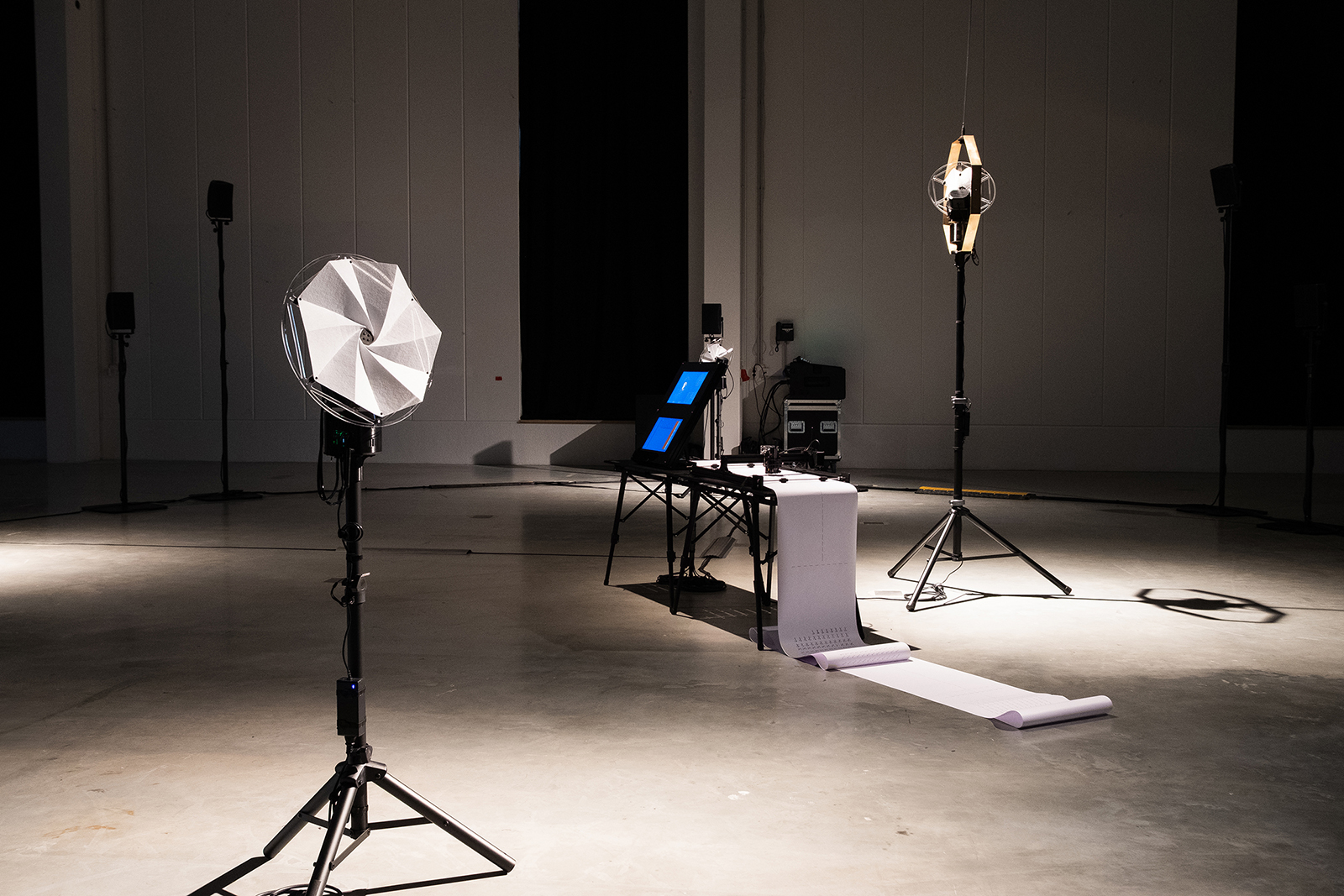
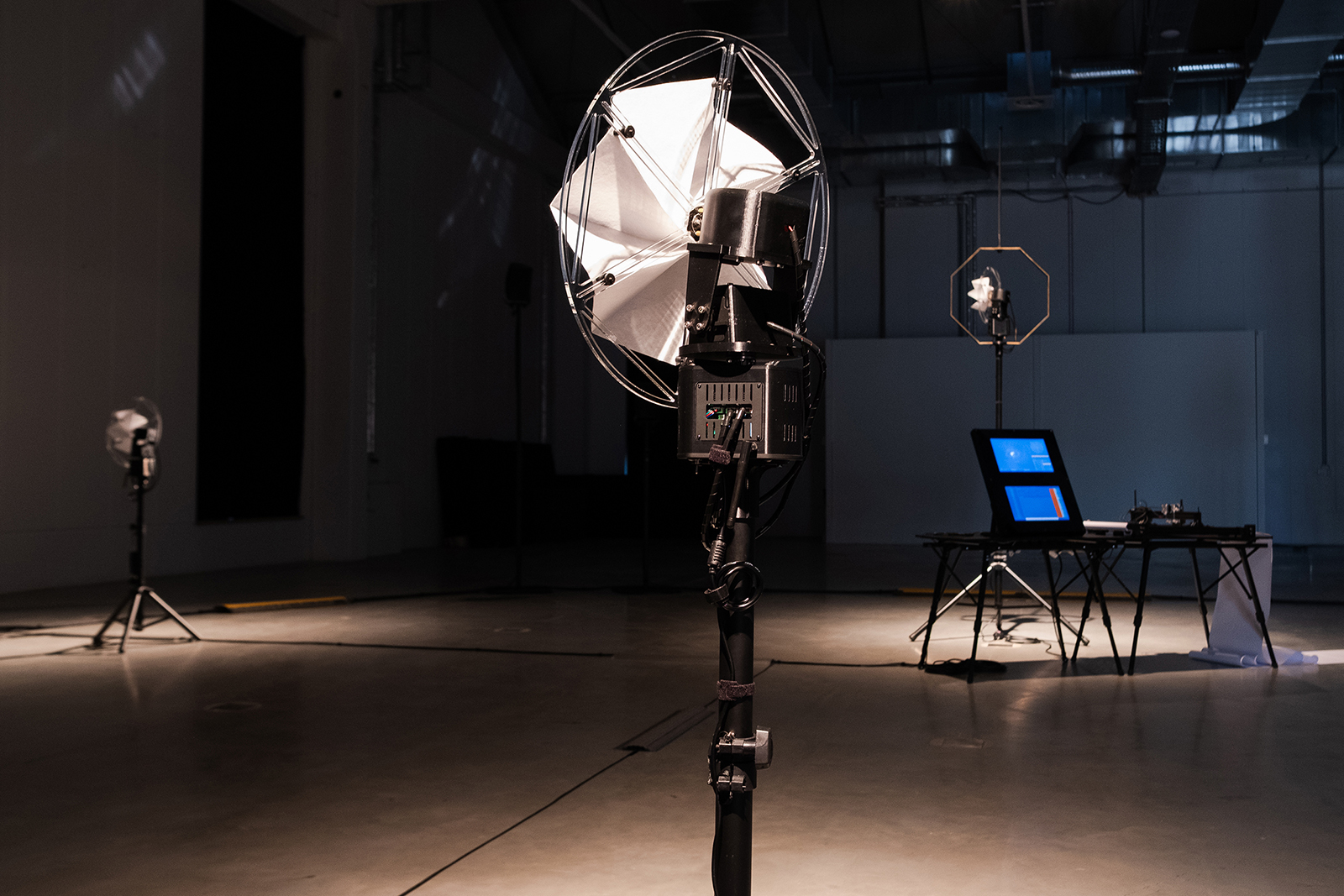
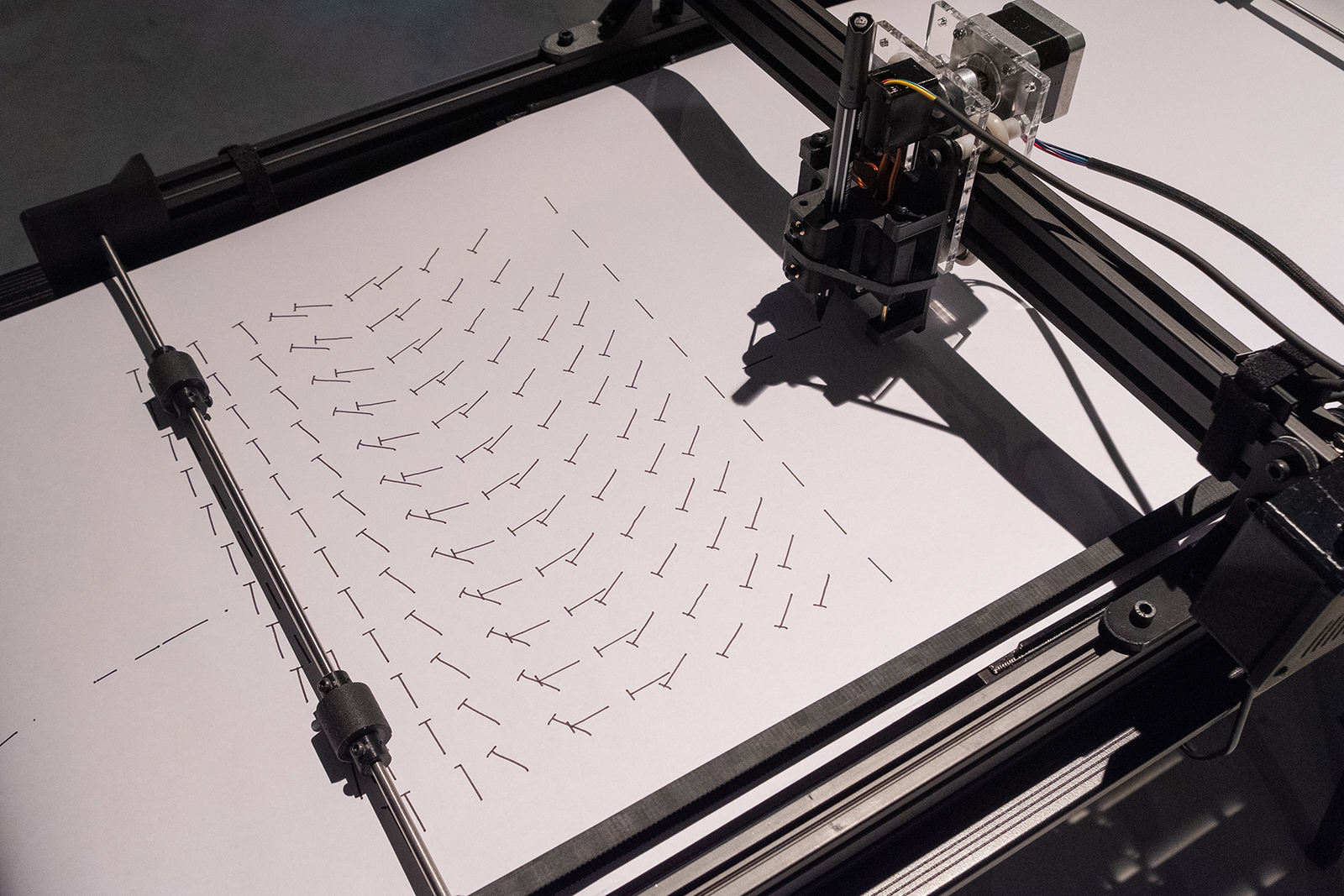
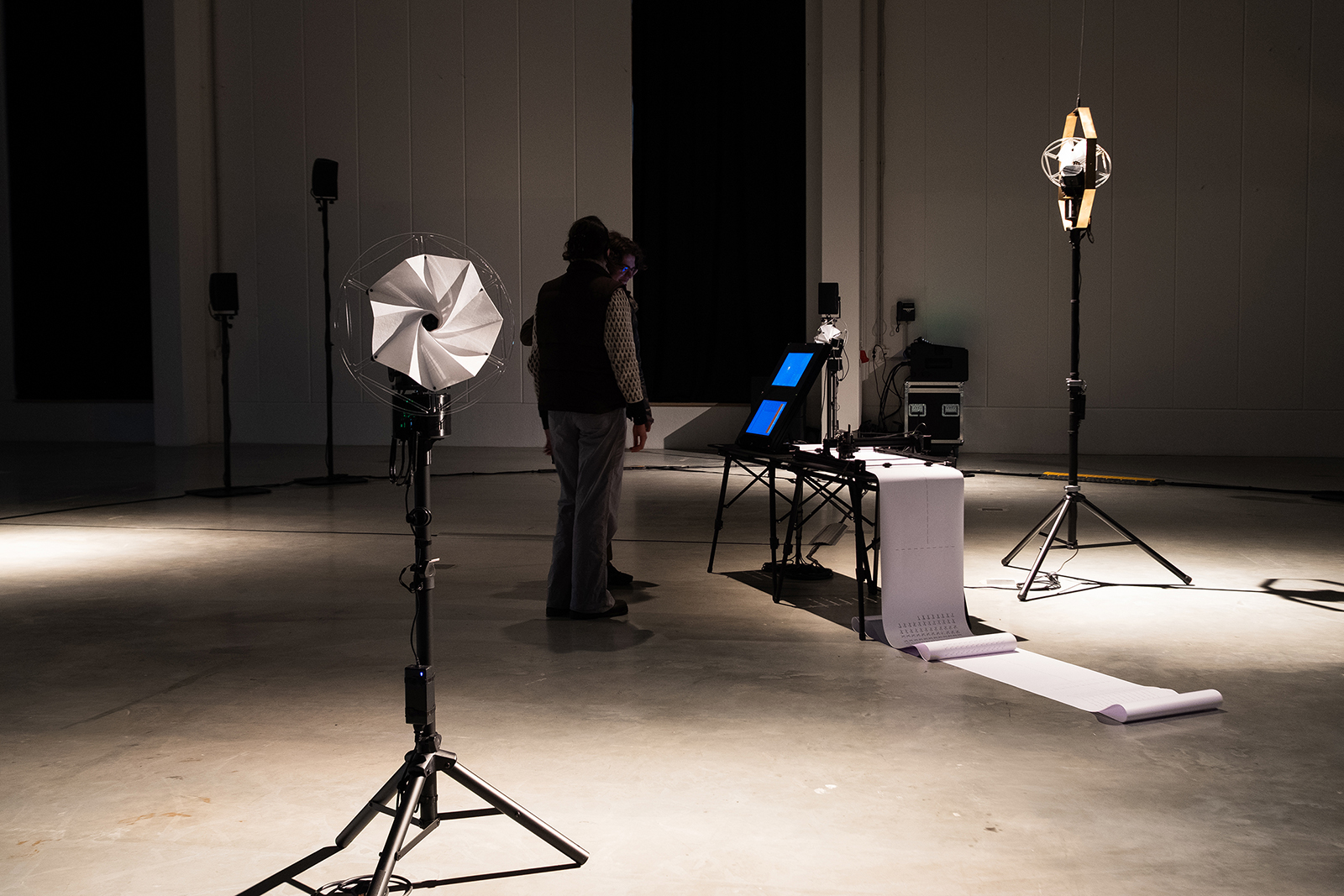
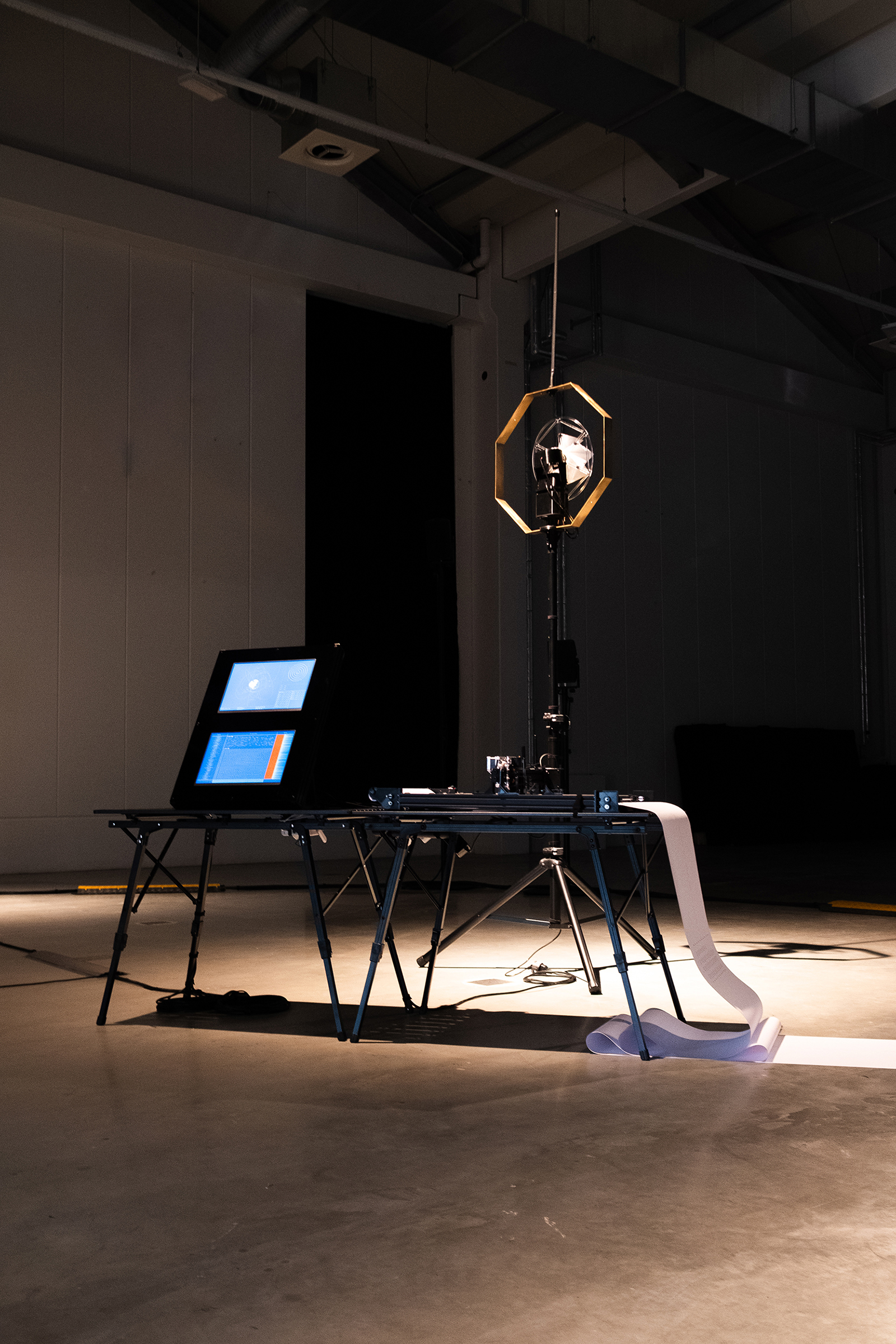
이 장치는 좀비 위성들의 신호를 수신하고 해독해, 사운드 설치와 시각 요소가 결합된 기계적 퍼포먼스로 구현합니다. 이 모든 요소가 어우러져 하나의 몰입형 공간을 만들어내고, 관람객은 버려진 위성들의 존재를 온몸으로 느낄 수 있습니다. 사운드 시스템은 세 개의 채널로 운영되며, 실시간 신호와 추적 중인 다른 위성들의 기록 데이터를 공간 음향으로 송출해 다층적인 사운드스케이프를 형성합니다. 동시에, 디지털 디스플레이와 물리적 플로터가 위성의 실시간 궤적을 시각화하고 기록합니다. 눈에 보이지 않는 궤도 데이터가 눈에 보이고 손에 잡히는 흔적으로 변환되는 것입니다. 기술적으로는, QFH 안테나와 소프트웨어 정의 라디오(SDR)로 위성 신호를 포착한 뒤 SDR++ 소프트웨어로 처리합니다. 전체 시스템 소프트웨어는 openFrameworks로 구축되었으며, Max/MSP와 연동해 설치 작품의 공간 음향을 관리하고 제어합니다. 기계 장치의 정밀한 움직임은 ESP32 마이크로컨트롤러와 TMC2209 모터 드라이버가 탑재된 커스텀 PCB가 담당합니다. 모든 구성 요소는 하나의 WiFi 네트워크로 연결되어 실시간으로 제어됩니다.
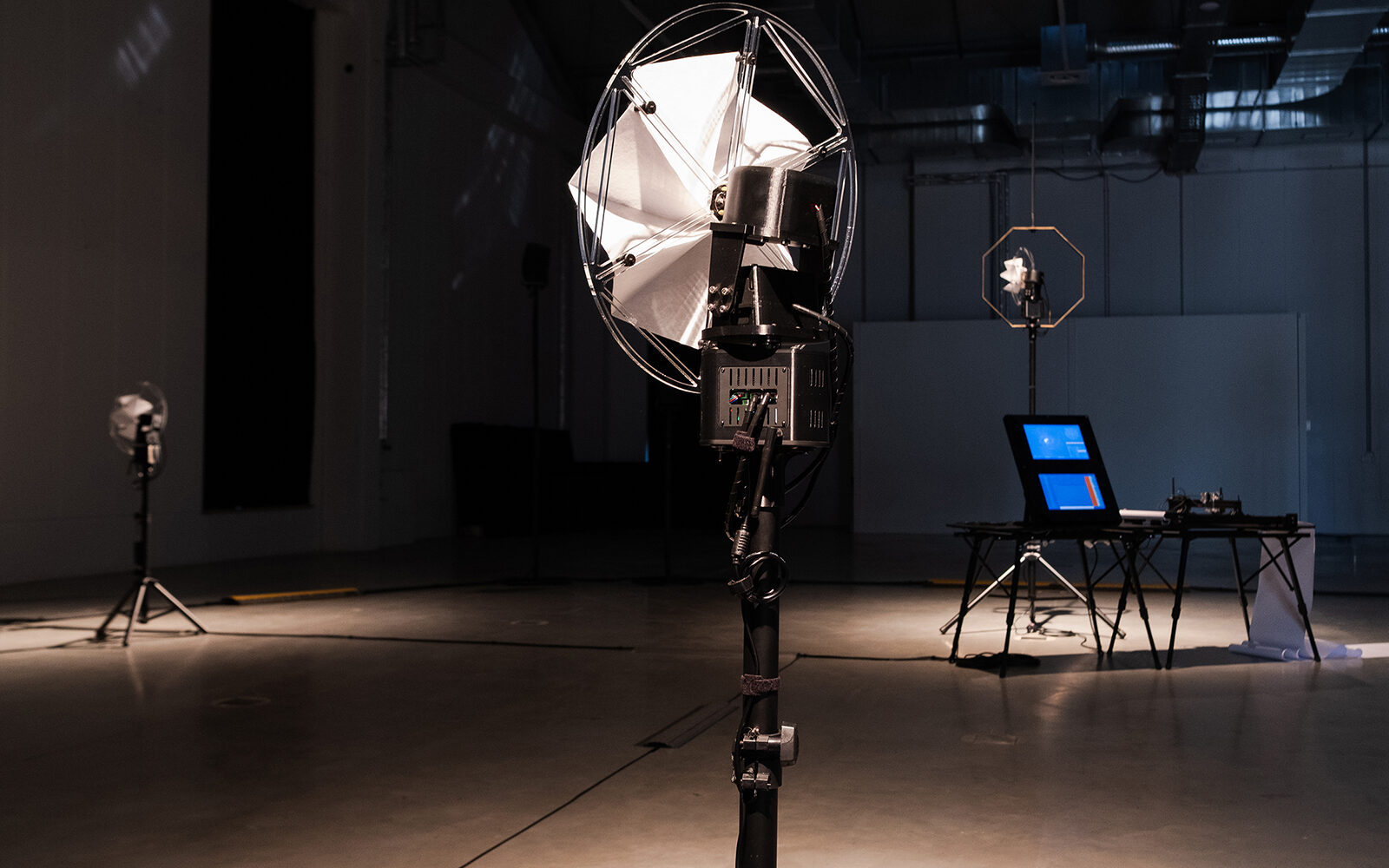
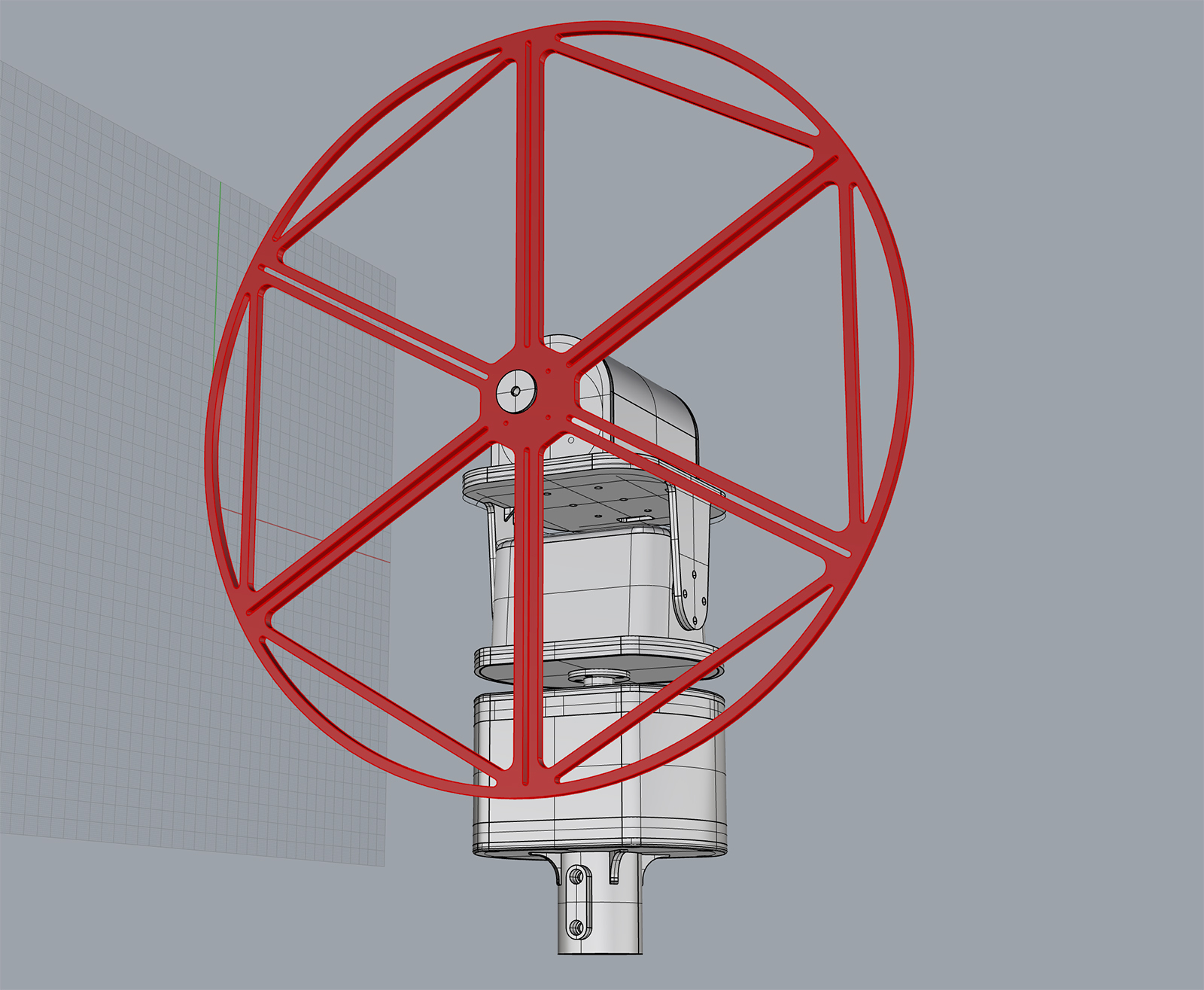
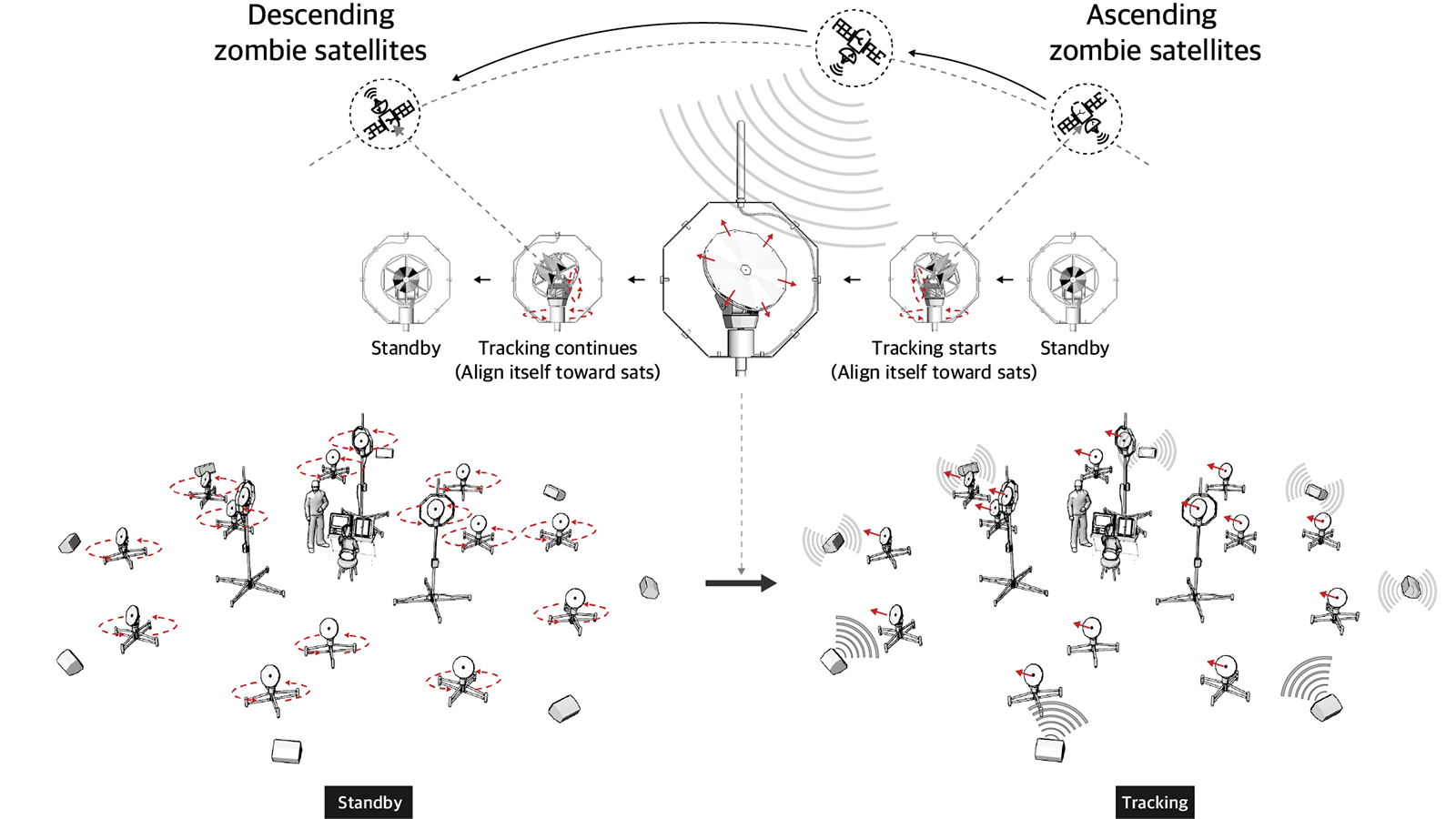
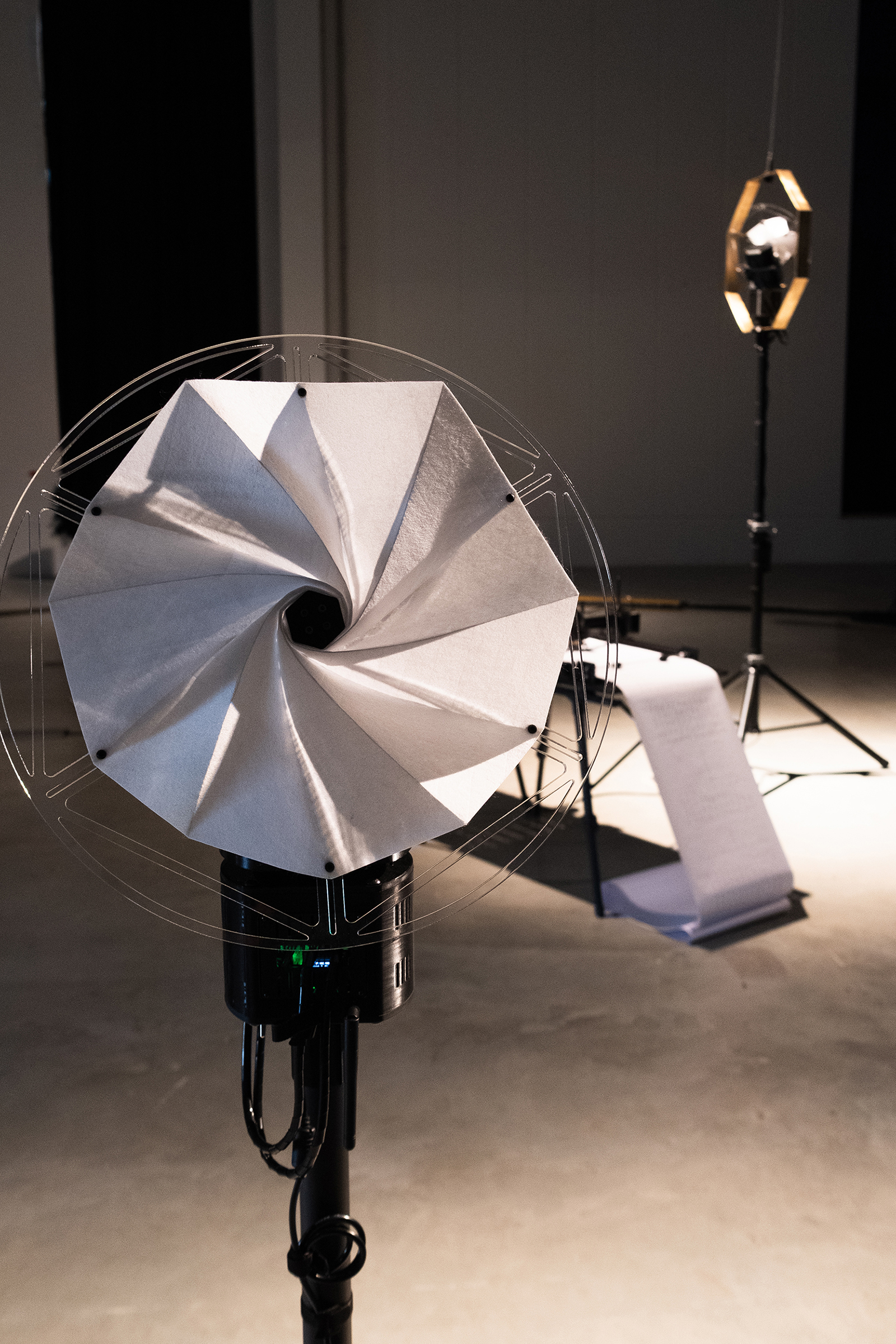
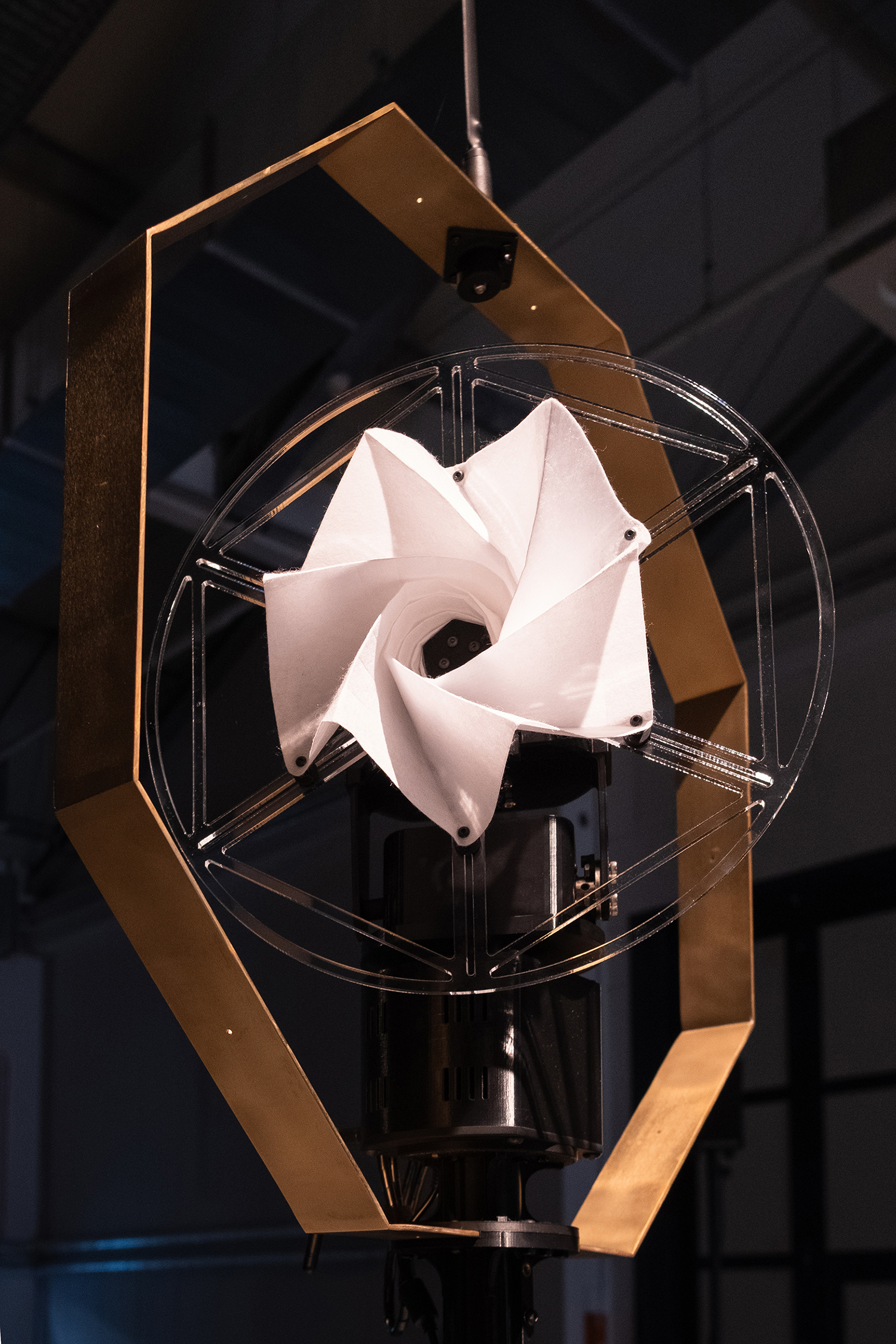
오드라덱(Odradek)은 저 위 우주를 표류하는 좀비 위성들과 의미론적으로 연결된 기계적 퍼포먼스 장치입니다. 등록된 위성이 전시 장소 상공에 나타나면, 시스템은 장치의 방향을 위성의 궤도에 맞춰 정렬합니다. 위성의 현재 속도, 갤러리까지의 거리, 수신 신호의 강도에 따라 접이식 부품의 열림과 닫힘을 조절하며 장치는 일종의 교감을 시도하고, 관객에게는 이 상호작용을 직관적으로 느낄 수 있는 시각적 단서를 제공합니다. 여러 위성이 동시에 나타날 경우, 시스템은 오드라덱들을 최대 세 그룹으로 나눠 각기 다른 목표를 추적하며, 해당 위성이 지평선 아래로 사라져 전시홀 상공을 완전히 벗어날 때까지 추적 동작을 이어갑니다.
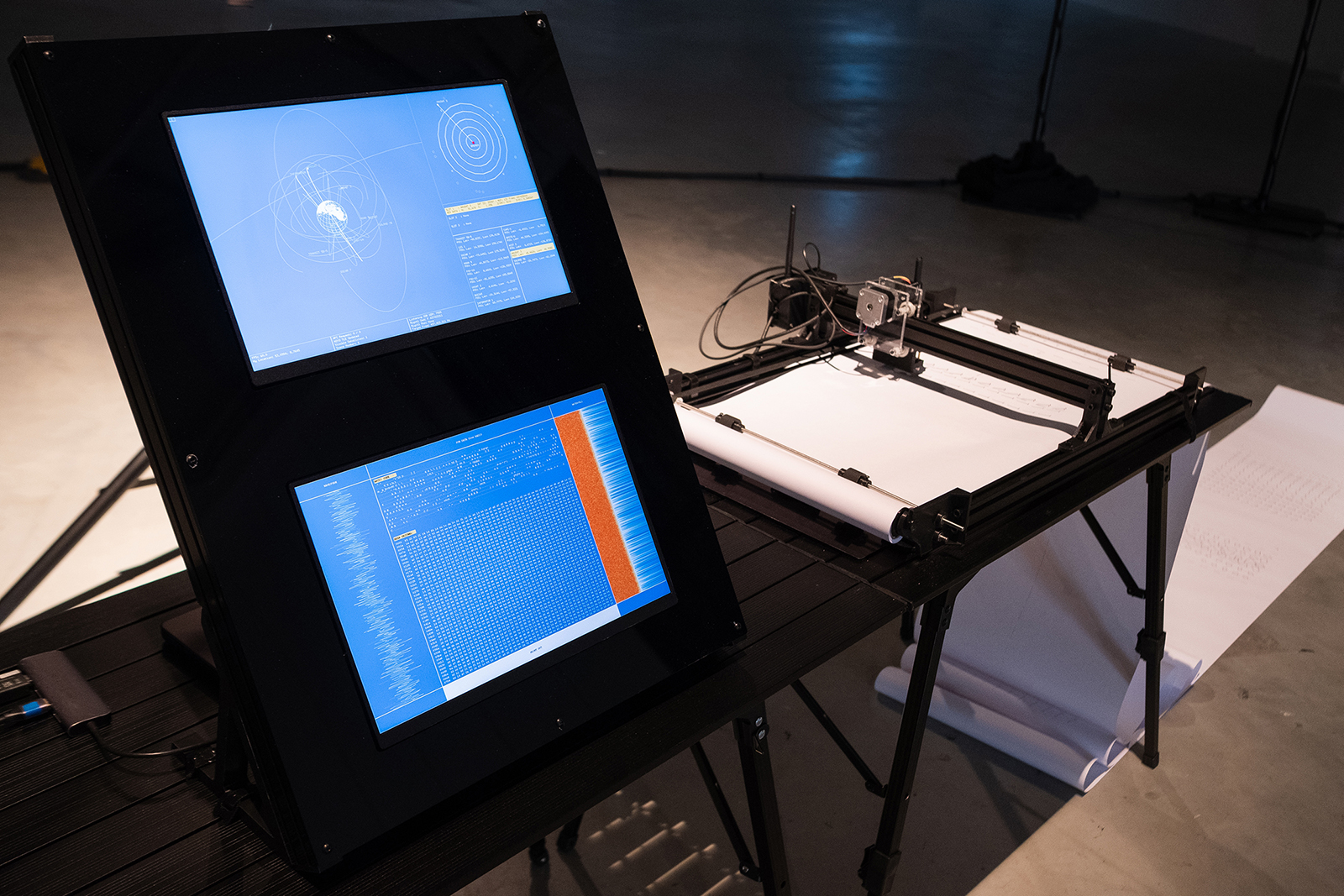
설치 작품은 추적 중인 위성의 실시간 존재를 시각화하기 위해 디지털 디스플레이와 물리적 플로터를 함께 활용합니다. 디스플레이에는 컴퓨터가 수신된 TLE(Two-Line Element) 데이터를 바탕으로 계산한 위성의 실시간 궤도 위치, 방위각, 향후 24시간 예상 궤적이 그래픽으로 표현됩니다. 블루와 화이트 톤의 시각적 언어는 이 서사의 핵심 오브제인 TRANSIT 5B-5를 포함해 수많은 좀비 위성을 쏘아 올린 1960년대 우주 기관들에 대한 오마주입니다. 디지털 추적을 보완하는 플로터는 위성의 실시간 신호를 기하학적 형태로 변환해 끊임없이 움직이는 종이 두루마리 위에 새겨냅니다.
이 프로젝트의 사운드는 14개의 좀비 위성을 실시간으로 추적합니다. 위성이 하나만 포착될 때는 가공하지 않은 라이브 신호를 그대로 출력하고, 여러 위성이 동시에 잡힐 때는 사전 녹음된 신호와 결합해 입체적인 음향 레이어를 만들어냅니다. 실제 신호를 직접 재생한다는 이 핵심 원칙 덕분에, 관객은 소리를 지구 궤도 위에서 벌어지는 물리적 사건으로 느끼게 됩니다. 전시 공간은 그렇게 진짜 조우가 일어나는 현장으로 바뀝니다.
카프카가 묘사한 오드라덱의 "폐 없는 웃음소리"와 미학적으로 맞닿아 있는 이 사운드는, 정제된 선율 대신 광활한 우주의 소음과 기계적 신호가 뒤엉킨 질감으로 가득합니다. 가공되지 않은 날것의 소리는 관객을 번역 불가능한 '비인간 존재'의 목소리와 정면으로 마주하게 만들고, 버려진 사물들의 기이한 존재감을 청각적으로 극대화하며 이 프로젝트의 사변적 서사를 완성합니다.
이상봉(Sangbong Lee) (아티스트) 칙치힘(Chihim Chik) (사운드 디자인 및 엔지니어링) 김본(Bon Kim) (공동 큐레이션, 프로덕션)
이 프로젝트는 ZER01NE과 HEC의 지원 및 후원을 받았으며, 페트라 클루스마이어(Petra Klusmeyer) 박사, 데니스 폴(Dennis Paul) 교수, 랄프 배커(Ralf Baecker) 교수의 학문적 지도 아래 진행되었습니다. ZER01NE DAY(2025년 9월 17일~21일, 현대 성수 허브, 서울)와 졸업 논문 전시(2026년 4월 10일~13일, 할레 1 / 슈파이허 Xi A, 브레멘)에서 전시되었습니다.
Zombie satellites are decommissioned, inactive satellites that unexpectedly resume operation and begin transmitting signals back to Earth. While official space agencies classify these objects as space debris, amateur enthusiasts have dubbed them “zombies” due to their intermittent signaling and half-dead nature—being electronically active yet functionally dead. By drifting beyond human intent and control, these satellites acquire a strange independence and uniqueness, existing as entities that are forgotten yet undeniably real. This object allows one to contemplate the meaning of things situated in a liminal zone between functional death and physical reality, serving as a reflection of the self in a modern society where existential status is determined solely by productivity and utility. Ultimately, zombie satellites challenge the dominant classification system that strips the status of existence based on operation and efficiency, applying the same rigid logic to both humans and objects. The name “Odradek” was adopted as a metaphor for zombie satellites, which escape human control and understanding once they lose their intended functionality. Unlike typical technological artifacts defined strictly by utility and precision, a defunct satellite orbiting to its own rhythm resists replacement and emerges as an autonomous, unclassifiable other. Anything that dies has had some kind of aim in life, some kind of activity, which has worn out; but that does not apply to Odradek. Franz Kafka, The Cares of a Family Man Much like the enigmatic entity from Kafka’s story—whose origin, purpose, and form remain ambiguous—the true reality of a zombie satellite becomes physically unreachable and conceptually ungraspable. Therefore, the project utilizes the name Space Odradek to reinterpret these discarded remnants, questioning the boundaries between utility and existence, and creating a speculative rendezvous point where the ungraspable entities on the Earth orbit meet terrestrial artistic apparatuses. Upon this context, the project Space Odradek explores zombie satellites—defunct satellites that continue to transmit signals—and abandoned space objects, questioning whether things that have lost their purpose are truly dead or can emerge as new forms of existence. It seeks to reinterpret the remnants of technological civilization as artistic apparatuses, raising questions about the boundaries between usefulness and uselessness. Furthermore, by introducing a speculation about a fictional space archaeologist obsessed with unidentified satellite signals, the project transforms the exhibition space into a site where reality and fiction intersect. This narrative, taking the form of a government report provided at the exhibition hall, transforms the physical space into the very location where the archaeologist underwent a mysterious experience. This narrative device blurs the boundaries between fiction and reality, situating the audience within a speculative scenario and strengthening the narrative immersion in the extraordinary experience of encountering zombie satellites. Combined with mechanical performances, this narrative device allows the audience to sensorially encounter and experience the spectral traces left by technology. This apparatus receives and decodes signals from zombie satellites, manifesting them through sound installations and mechanical performances integrated with visual elements. Together, these components create an immersive experiential space where visitors sensorially encounter the haunting presence of these abandoned objects. The sound system operates through three channels, broadcasting real-time signals alongside recorded data from other tracked satellites via spatial audio to form a multi-layered soundscape. Simultaneously, a digital display and a physical plotter visualize and record the satellites' real-time trajectories, translating invisible orbital data into tangible visual and physical traces. On a technical level, the satellite signals are captured using a QFH antenna and Software Defined Radio (SDR), then processed through SDR++ software. The overall system software is built with openFrameworks , which interfaces with Max/MSP to manage and control the installation's spatial audio. Furthermore, the precise kinetic movements of the mechanical devices are driven by custom PCB s equipped with ESP32 microcontrollers and TMC2209 motor drivers. All sub-elements are connected to a single WiFi network and controlled in real-time. The Odradek functions as a mechanical performance apparatus semantically linked to the zombie satellites drifting above. When a registered satellite appears in the sky above the exhibition place, the system aligns the device’s orientation with the satellite’s trajectory. By adjusting the opening and closing of its folding parts according to the satellite's current speed, its distance from the gallery, and the intensity of the received signal, the apparatus attempts a form of semantic communion while providing the audience with intuitive visual clues of this interaction. If multiple satellites appear simultaneously, the system divides the Odradeks into up to three groups to track different targets, and this tracking motion continues until the respective satellites disappear below the horizon and completely leave the sky above the hall. The installation utilises a digital display interface and a physical plotter to visualise the real-time presence of tracked satellites. The display graphically maps the satellites' real-time orbital positions, azimuths, and projected 24-hour trajectories—calculated by the computer using received TLE (Two-Line Element) data—employing a blue and white aesthetic that pays homage to the 1960s space agencies that launched numerous zombie satellites, including the narrative’s central object, TRANSIT 5B-5. Complementing this digital tracking, the plotter translates real-time satellite signals into geometric shapes on a continuously moving paper scroll. The sound implementation of the project tracks 14 zombie satellites, outputting unfiltered, real-time live signals when a satellite appears alone, or forming three-dimensional acoustic layers with pre-recorded signals when multiple appear simultaneously. This core principle of playing actual signals ensures the audience perceives the auditory experience as a physical event occurring on Earth orbit, transforming the exhibition into a site of a real encounter. Aesthetically connected to Kafka’s description of Odradek’s “laughter that has no lungs,” the atypical sound intertwines the noise of vast space and mechanical signals rather than refined melodies. This unfiltered sound texture allows the audience to confront the voice of an untranslatable ‘Non-human Entity,’ auditorily maximising the bizarre presence of abandoned objects and completing the project’s speculative narrative. Project Page | Instagram: @sangbong_yi / @chihimchik / @bon_kim_art Sangbong Lee (Artist) Chihim Chik (Sound design and engineering) Bon Kim (Co-Curation, Production) This project was supported and sponsored by ZER01NE and HEC, with academic guidance from Dr. Petra Klusmeyer, Prof. Dennis Paul, and Prof. Ralf Baecker. Exhibited at ZER01NE DAY (17. Sep – 21. Sep. 2025, Hyundai Seongsu Hub, Seoul) and Theses Exhibition (10. Apr – 13. Apr. 2026, Halle 1 / Speicher Xi A, Bremen)