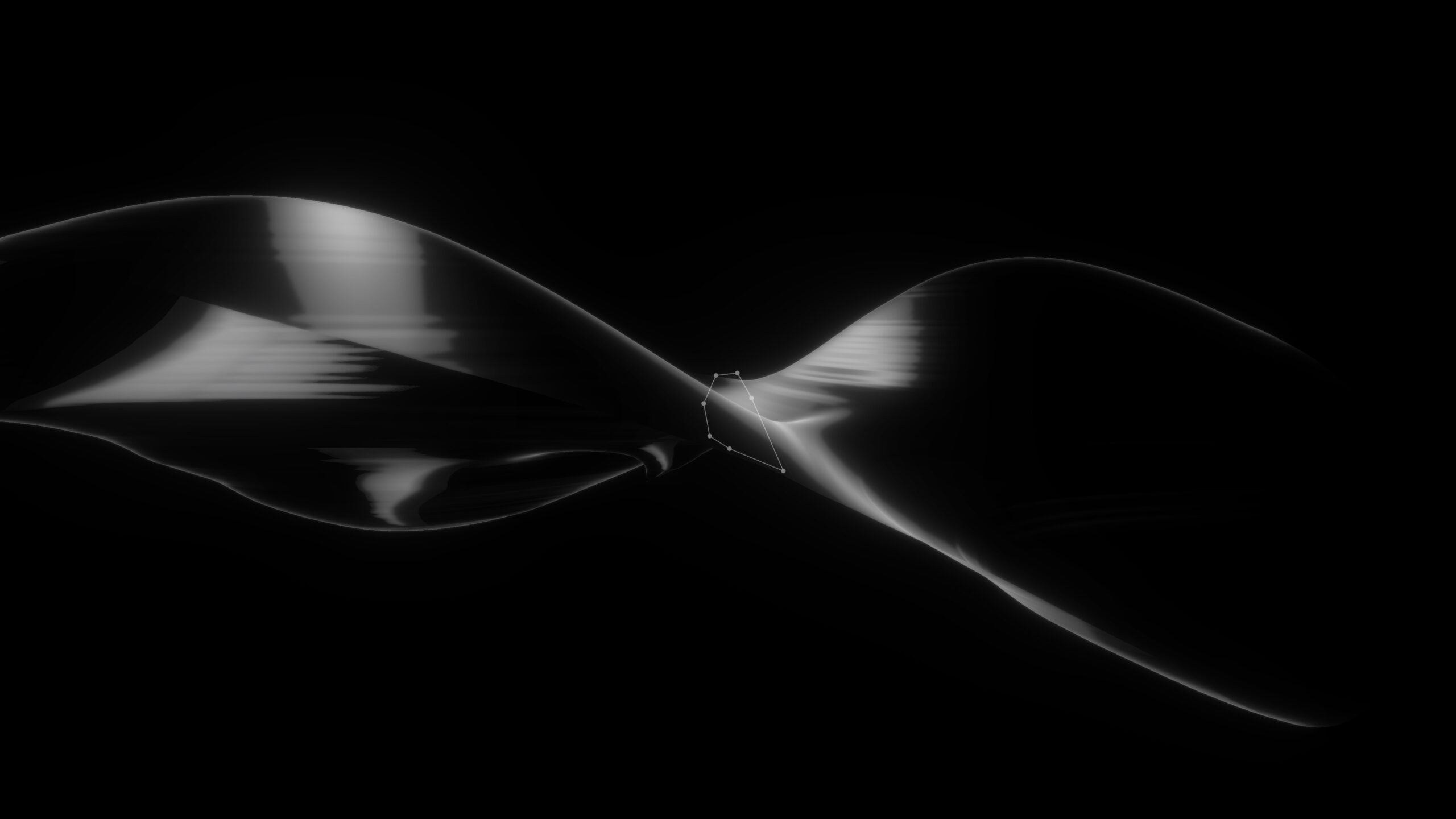
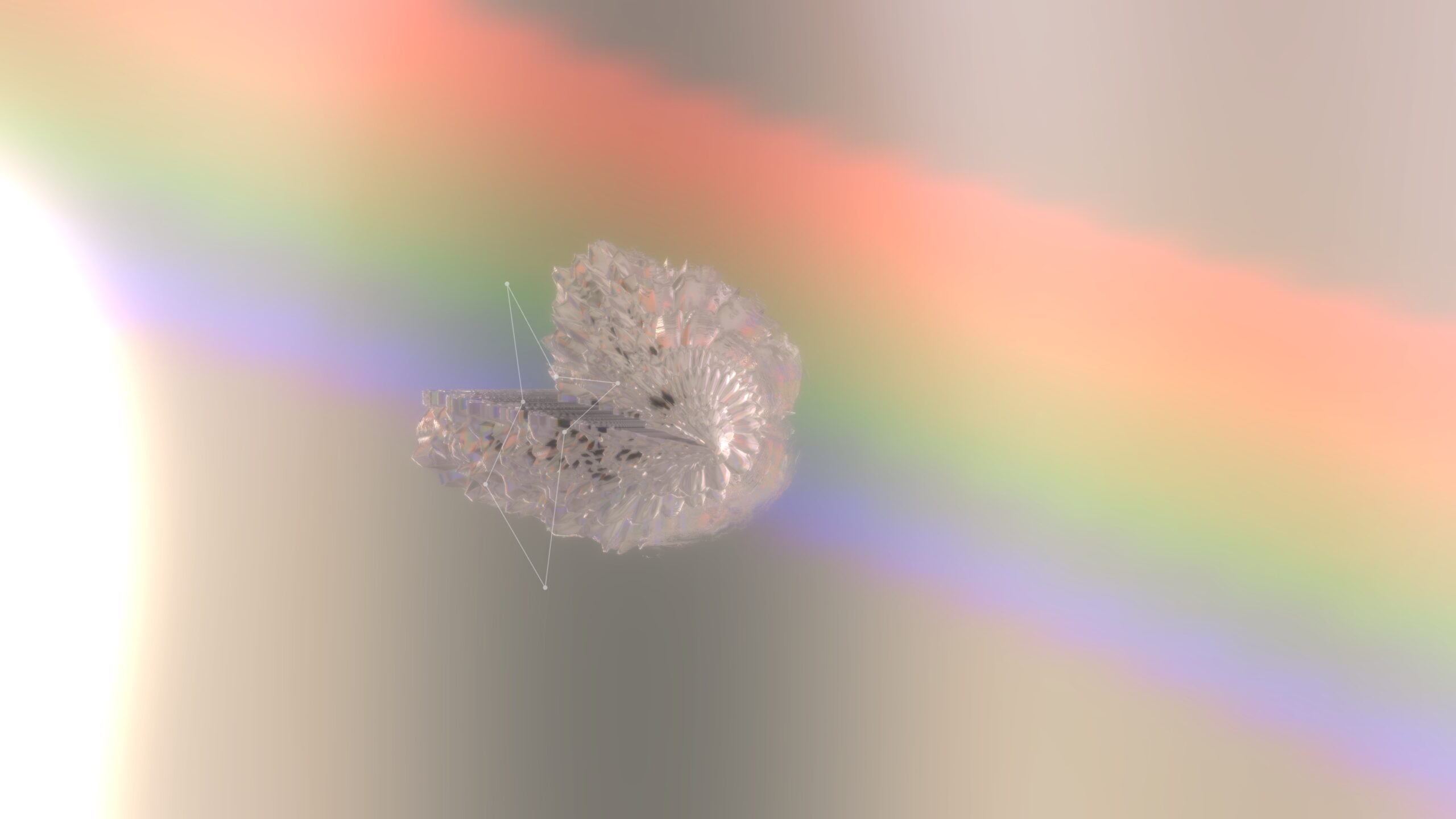
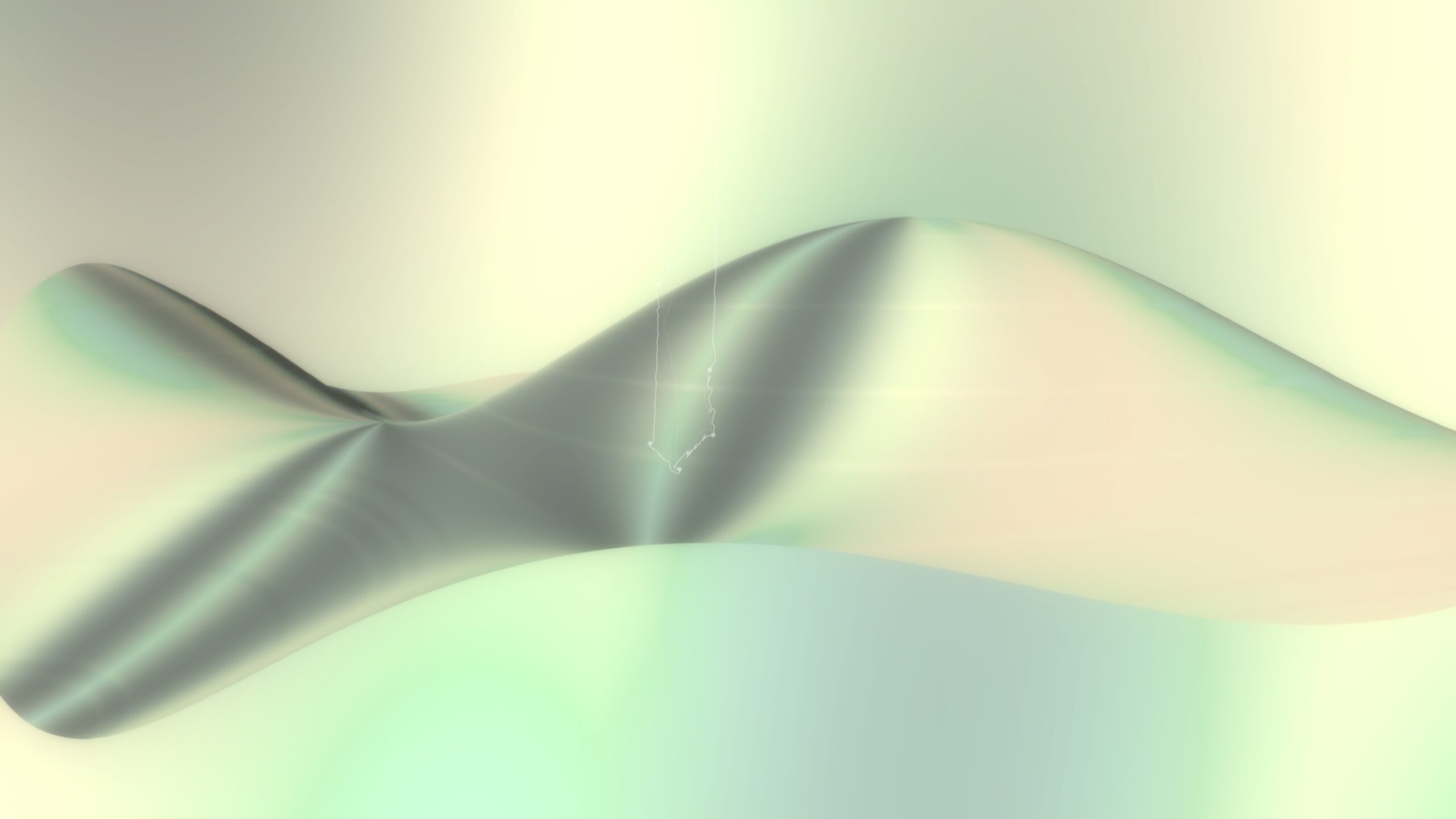
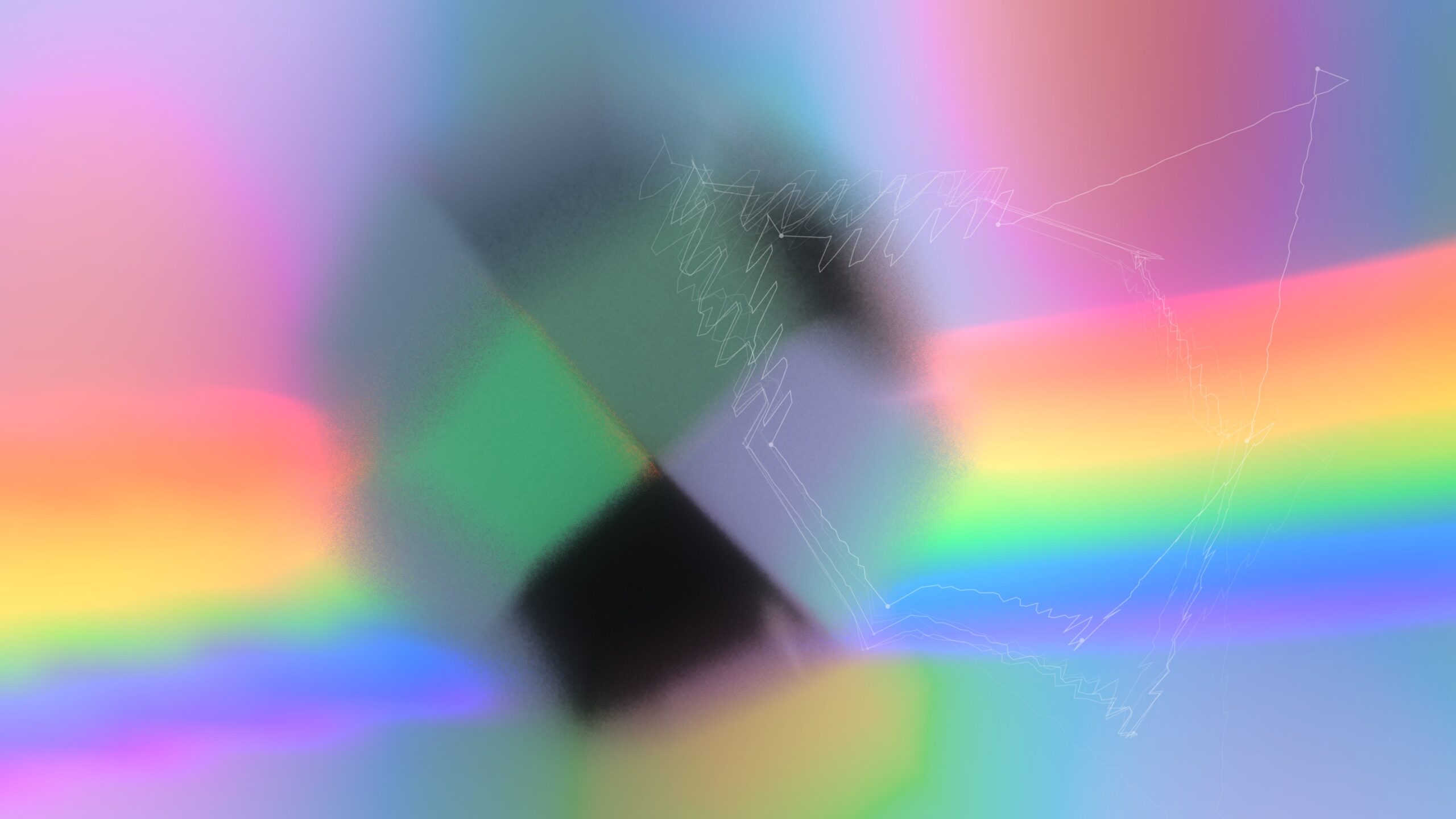
완성된 결과물을 보여주는 포트폴리오가 아닙니다. 프로젝트가 전개되는 동안의 사고 흐름과 제작 과정을 있는 그대로 담은 기록입니다.
출발점은 계획이 아니라 질문이었습니다. '수학과 기하학을 주제로 한 영상'이란 실제로 무엇을 의미하는가? 느슨하게 정의하면 거의 모든 것이 '수학적'이라고 불릴 수 있습니다. 다각형, 베지어 곡선, 푸리에 변환으로 분해한 임의의 형태까지. 그래서 이 프로젝트는 스스로 소수의 잠정적 규칙을 세웠습니다. 무엇이든 만들어주는 도구들이 넘쳐나는 지금, 그 주장을 최대한 정직하게 지키기 위해서입니다.
기하학을 손으로 직접 다듬는 방식은 배제하고, 결정론적이고 근본적인 함수(다항함수, 삼각함수 등)와 그 반복, 그리고 복소수로의 확장만을 사용합니다.
시각 생성 과정은 완전히 결정론적으로 유지합니다. 동일한 입력값(사운드 데이터)은 항상 동일한 결과를 만들어냅니다. 컴퓨터의 '난수'가 실제로는 의사 난수(pseudo-random), 즉 결정론적이라 하더라도 랜덤 및 노이즈 함수는 사용하지 않습니다. 유일한 준(準)랜덤 요소는 사운드 데이터뿐입니다. 위에서 말한 수학 함수를 따르지 않으면서도 매번 다른 값을 만들어낸다는 점에서 그렇습니다.
임의적인 선택을 최대한 줄입니다. 가능하면 키프레이밍을 피한다는 뜻입니다. 물론 이 원칙을 완벽하게 지키기란 거의 불가능합니다. 어떤 함수를 언제 사용할지, 사운드를 어떻게 데이터로 변환할지 같은 결정 자체가 이미 임의적인 선택이기 때문입니다. 그럼에도 우리는 변화, 전환, 그 외 다양한 변주를 가능한 한 단순하고 결정론적인 규칙으로 이끌어내려 합니다.
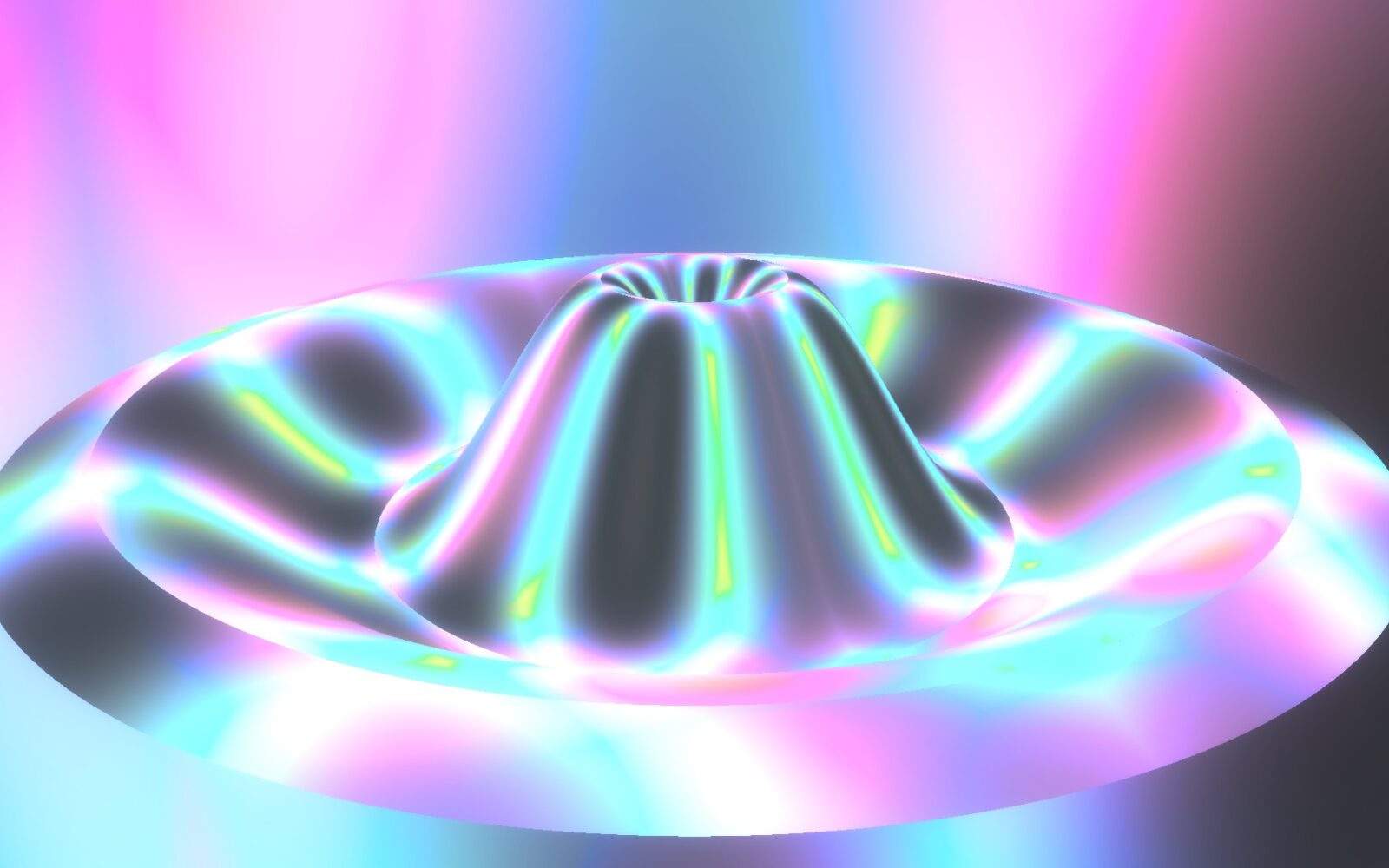
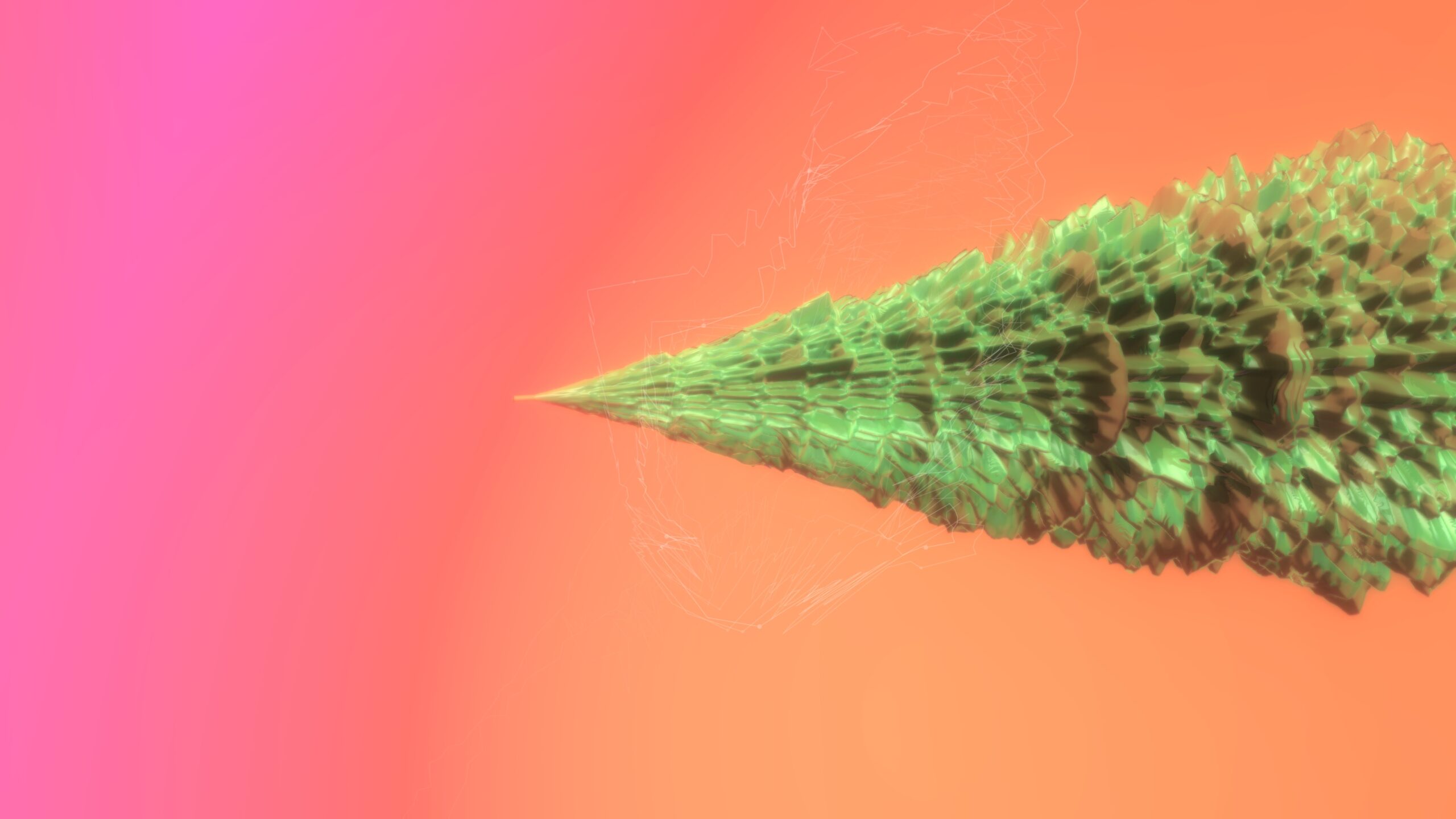
platonicprocess스칼라 필드(scaler field)
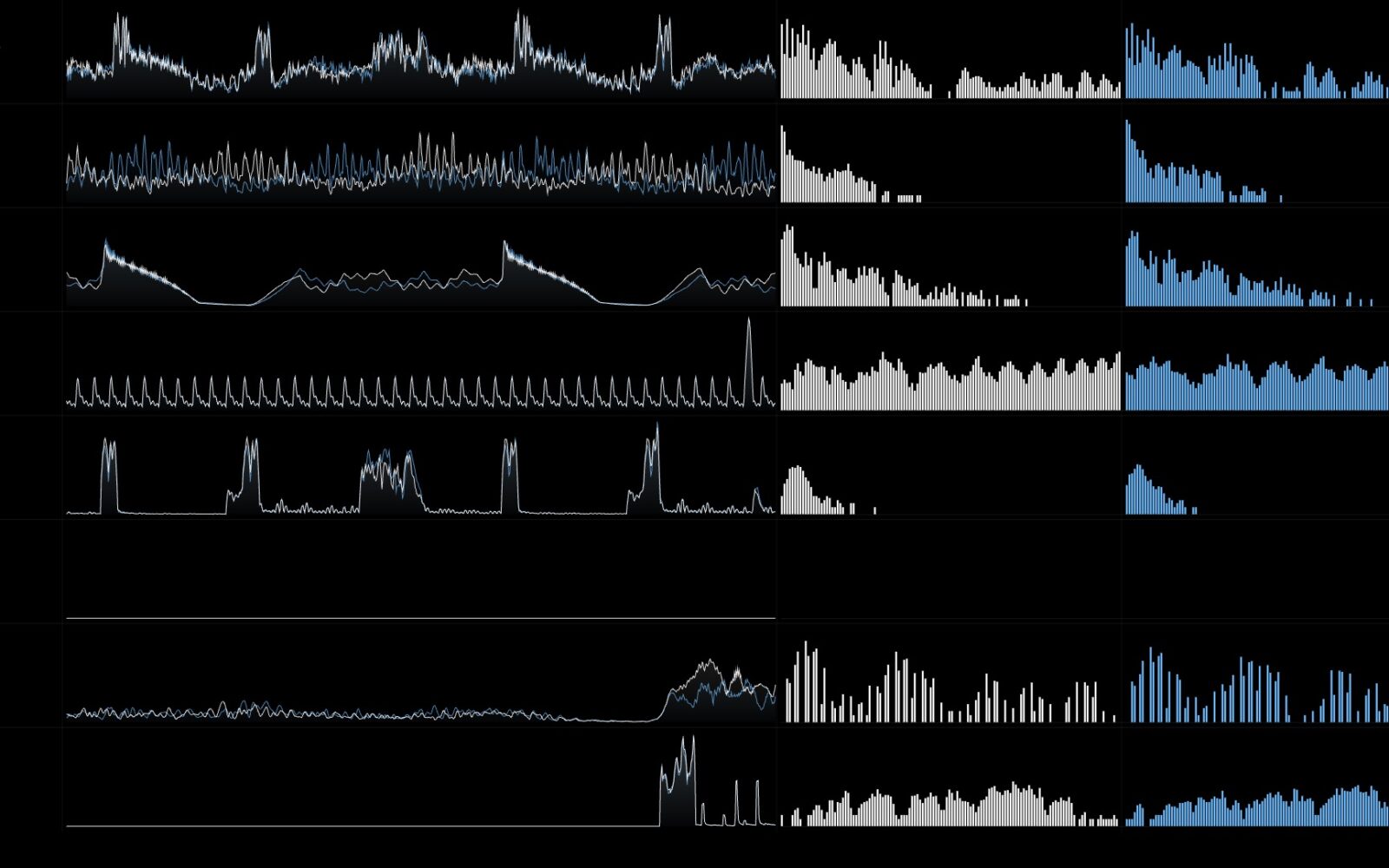
사이트는 파이프라인의 각 단계를 다루는 여러 페이지로 구성되어 있습니다. 사운드 분석, 파라메트릭 형태, 조명과 렌더링, 사운드 반응형 환경, 사운드 반응형 형태, 멀티트랙 시각화, 컴포지션이 각각의 페이지를 이룹니다. 각 페이지에는 인터랙티브 데모 몇 가지와 함께, 화면에서 실제로 일어나는 일을 이끄는 규칙·데이터·수식을 짧고 명료하게 설명하는 해설이 곁들여집니다. 또한 이 사이트는 '수학과 유사 물리학으로 스케칭하기'의 동반 자료로, 해당 글에서 소개한 개념들이 실제로 어떻게 구현되는지 보여줍니다.
Geom is the new music video for [TCA 70] 音楽的建築 壱 — Musical Architecture I / II — by Yaporigami (Yu Miyashita), and a project documenting a process built entirely from math and geometry. It’s not a portfolio piece presenting finished work; it’s the log itself, capturing the thinking and behind-the-scenes process as the project unfolds. The premise is a question, not a plan: if the video’s theme is math and geometry, what does that actually mean in practice? Almost anything can be called “mathematically defined” in a loose sense—polygons, Bézier curves, even arbitrary shapes decomposed into sine waves via Fourier transform. So the project sets a small number of tentative, self-imposed rules to keep that claim as honest as possible—especially in a time when you can ask for anything and get it without knowing how it’s made. We rely exclusively on deterministic, fundamental functions (e.g., polynomials and trigonometry) and their iterations, extended into complex numbers, while avoiding any manual crafting of geometry. We keep the visual generation process completely deterministic: the same input (sound data) produces exactly the same result. We also avoid random and noise functions (even though computer “randomness” is pseudo-random and therefore deterministic). Sound data is the only quasi-random element, in the sense that it yields varying values without following the mathematical functions described above. We minimize arbitrary choices. This means avoiding keyframing whenever we can. It turns out it is nearly impossible to follow this rule strictly, since any choice—such as which function to use and when, and how we process sound into data—is itself arbitrary. Still, we try to drive changes, transitions, and other variations through simple, deterministic rules as much as possible. platonic process scaler field The site is organized into a set of pages, each focused on a specific part of the pipeline — Sound analysis, Parametric shapes, Lighting and rendering, Sound-reactive environment, Sound-reactive shapes, Multitrack visualization, and Composition. Each page pairs a few interactive demos with short explainers that show the underlying rules, data, and equations driving what you’re seeing. The site also serves as a companion to sketching with math and quasi-physics and demonstrates concepts from those pages in practice. All demos and the rendering pipeline are built for the web. The graphics are drawn with GLSL shaders, primarily using ray marching on mathematically defined shapes such as scalar fields . Watch the final video below or on Vimeo . Project Page (Documentation) | Kynd | X | Instagram | Bluesky