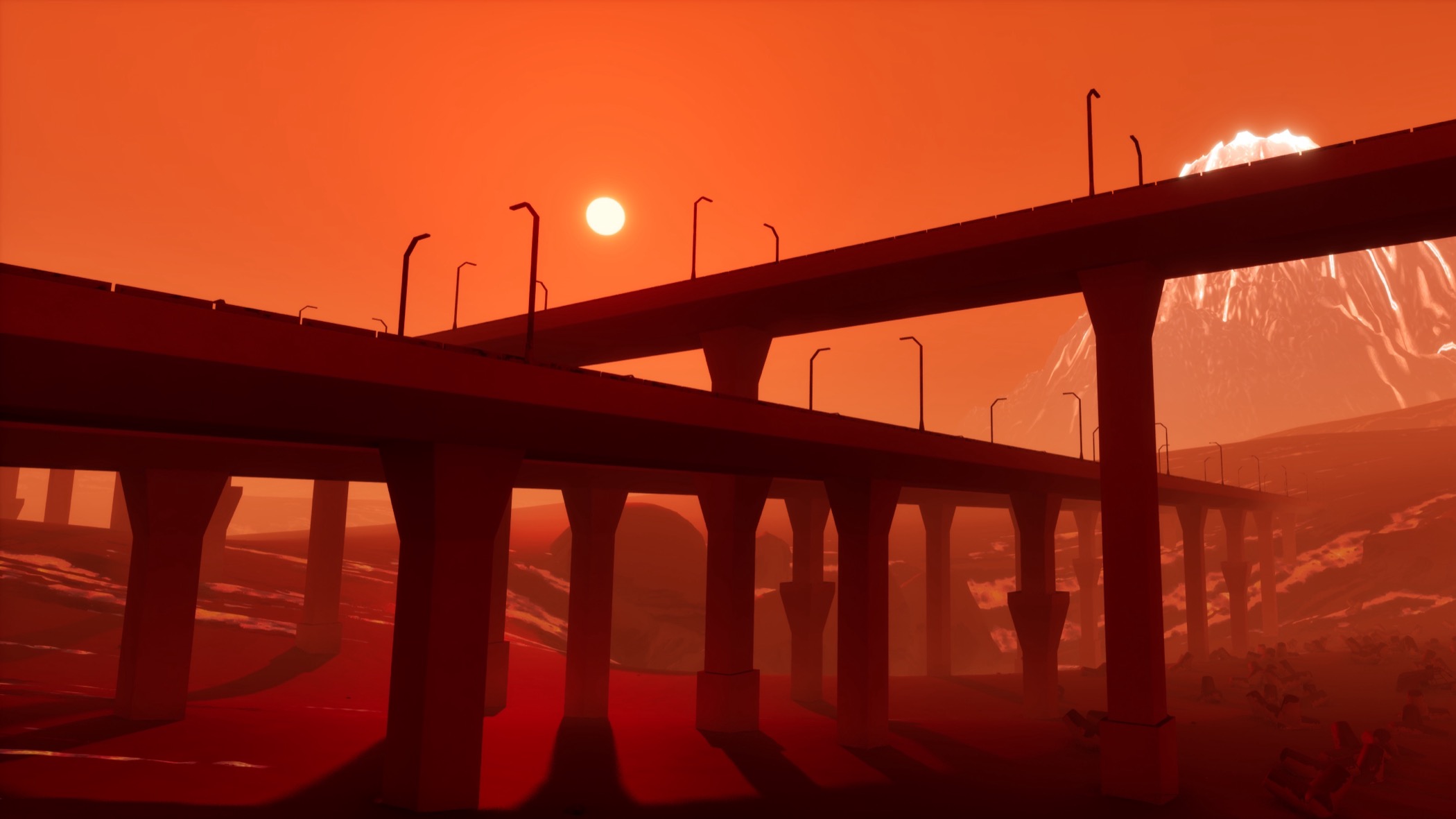
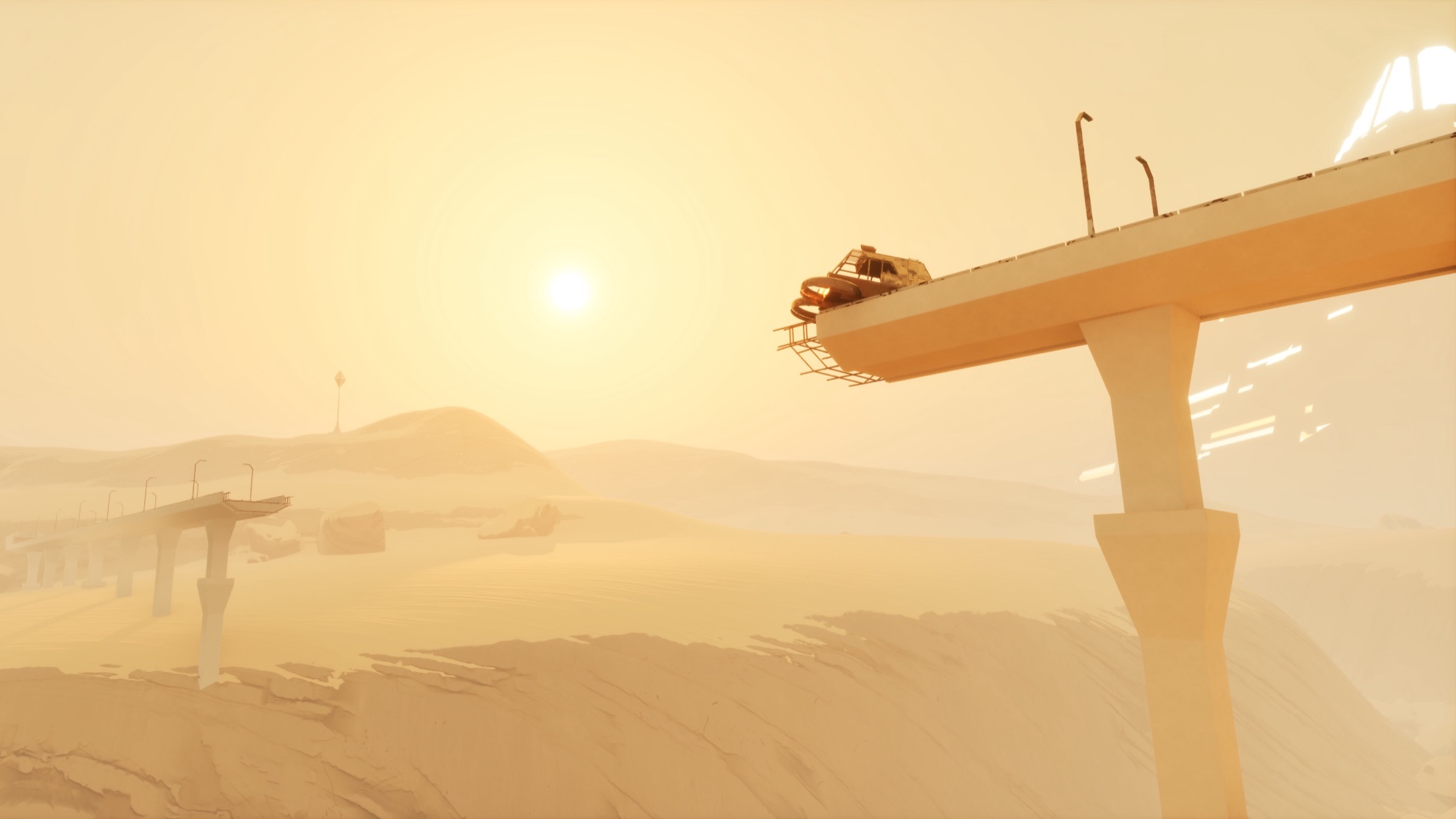
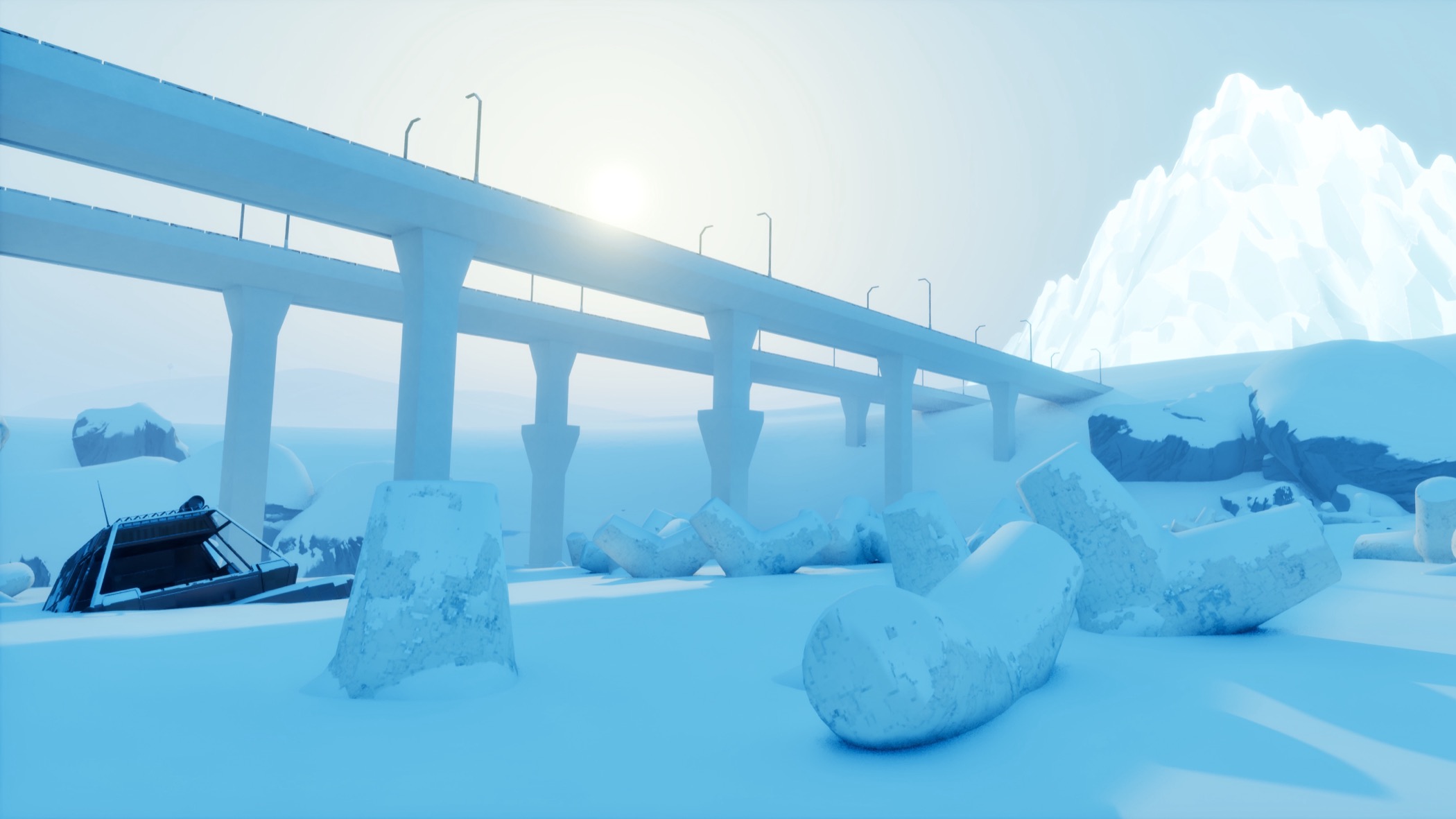
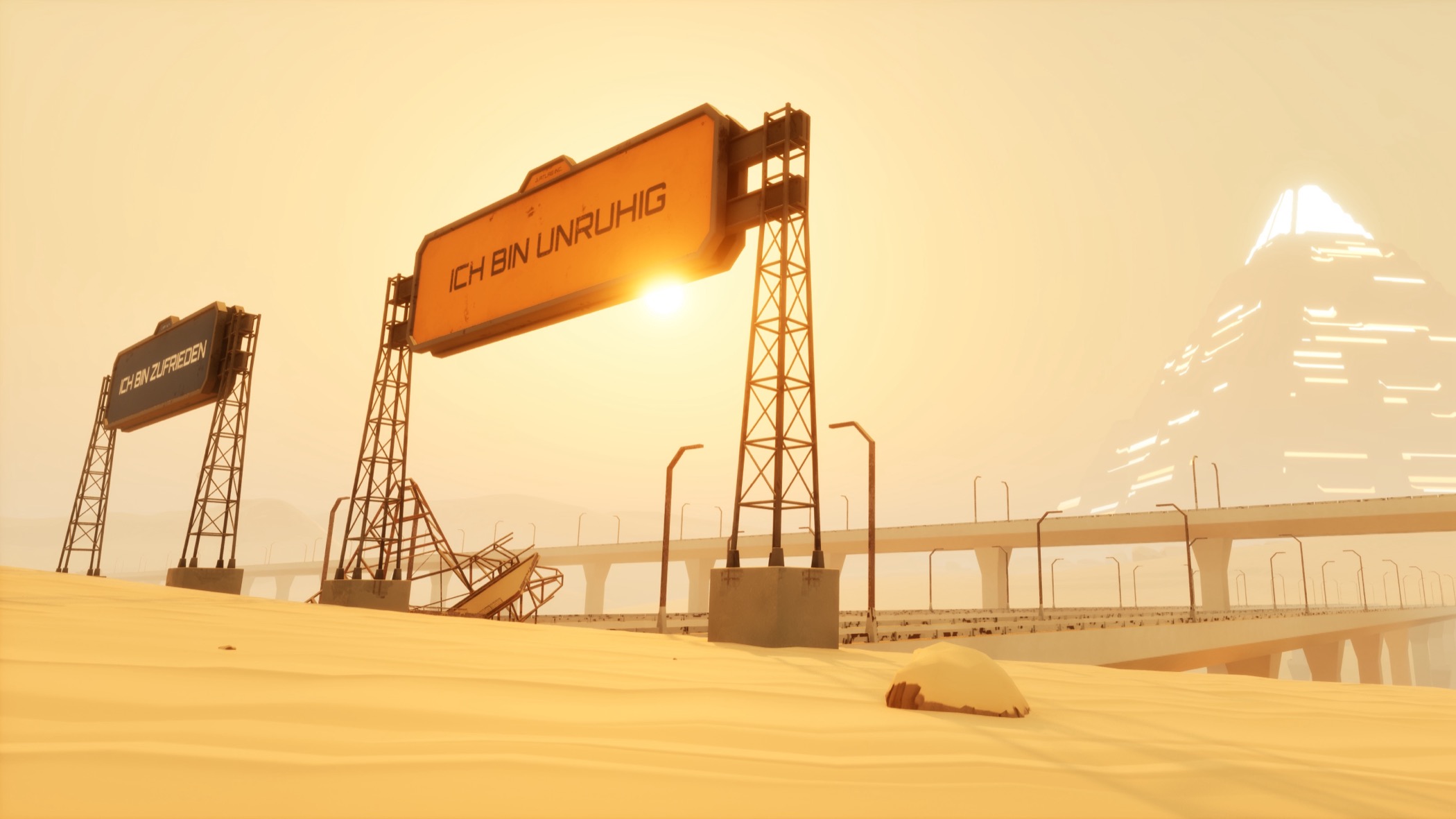
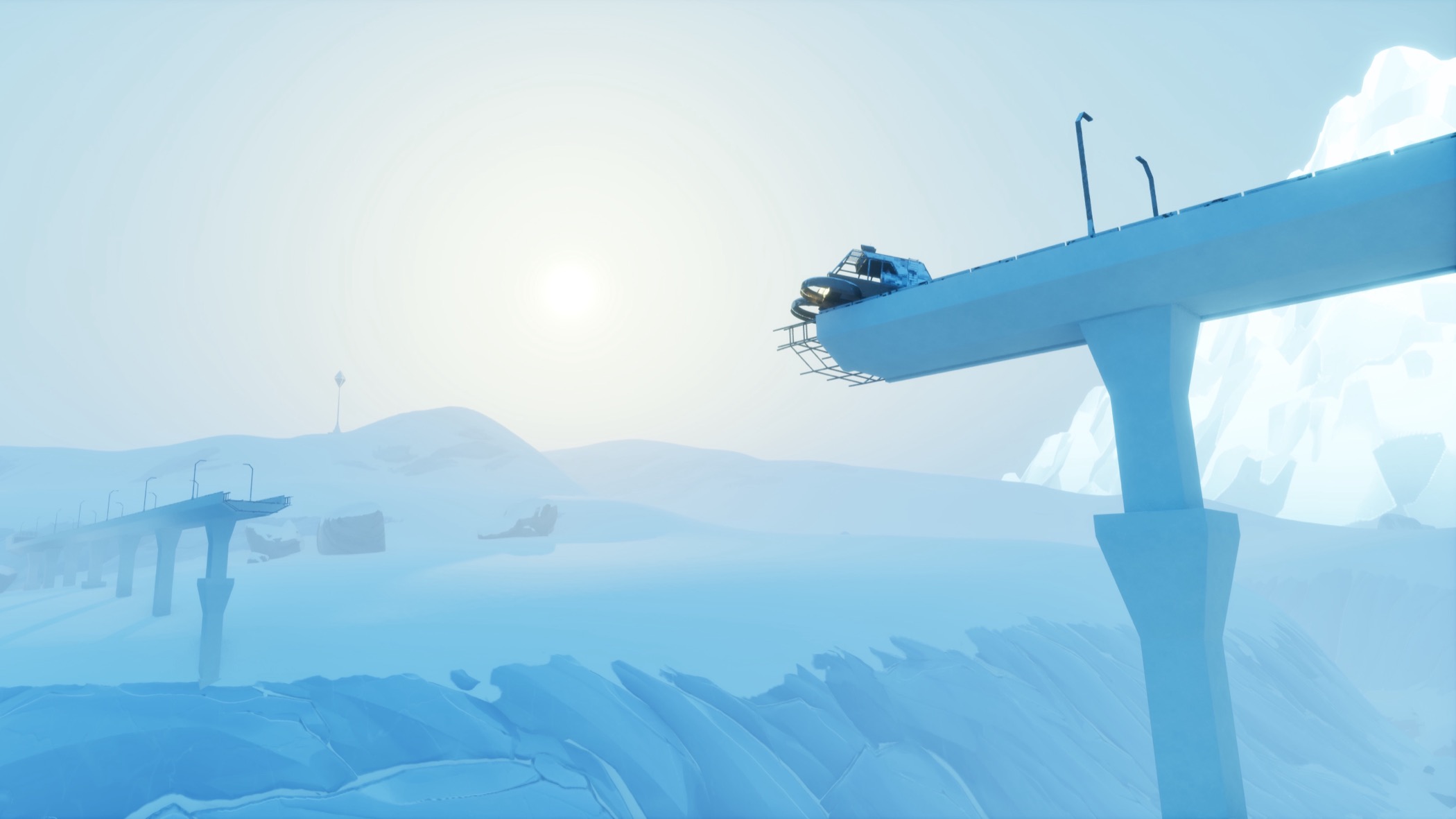
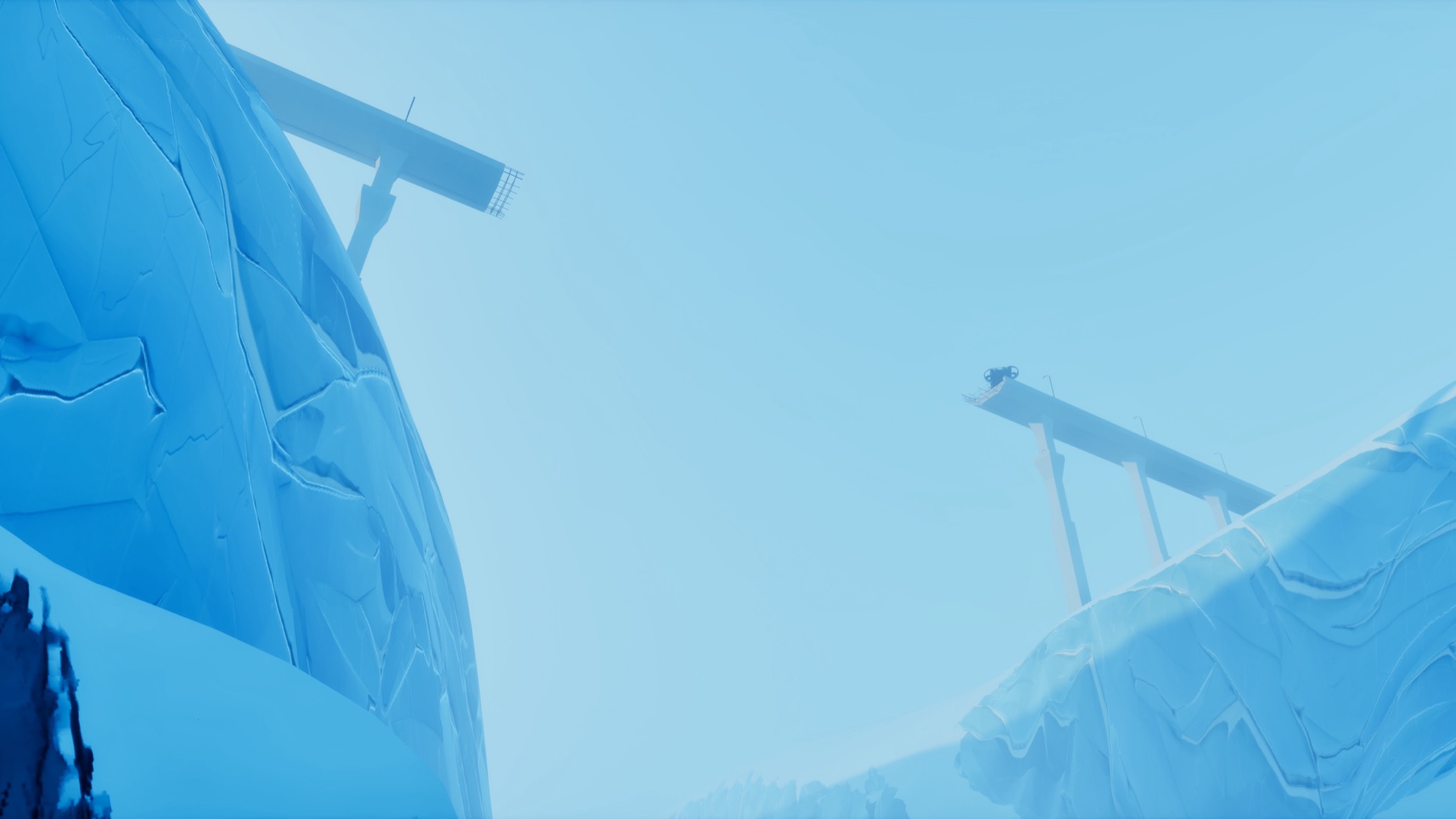
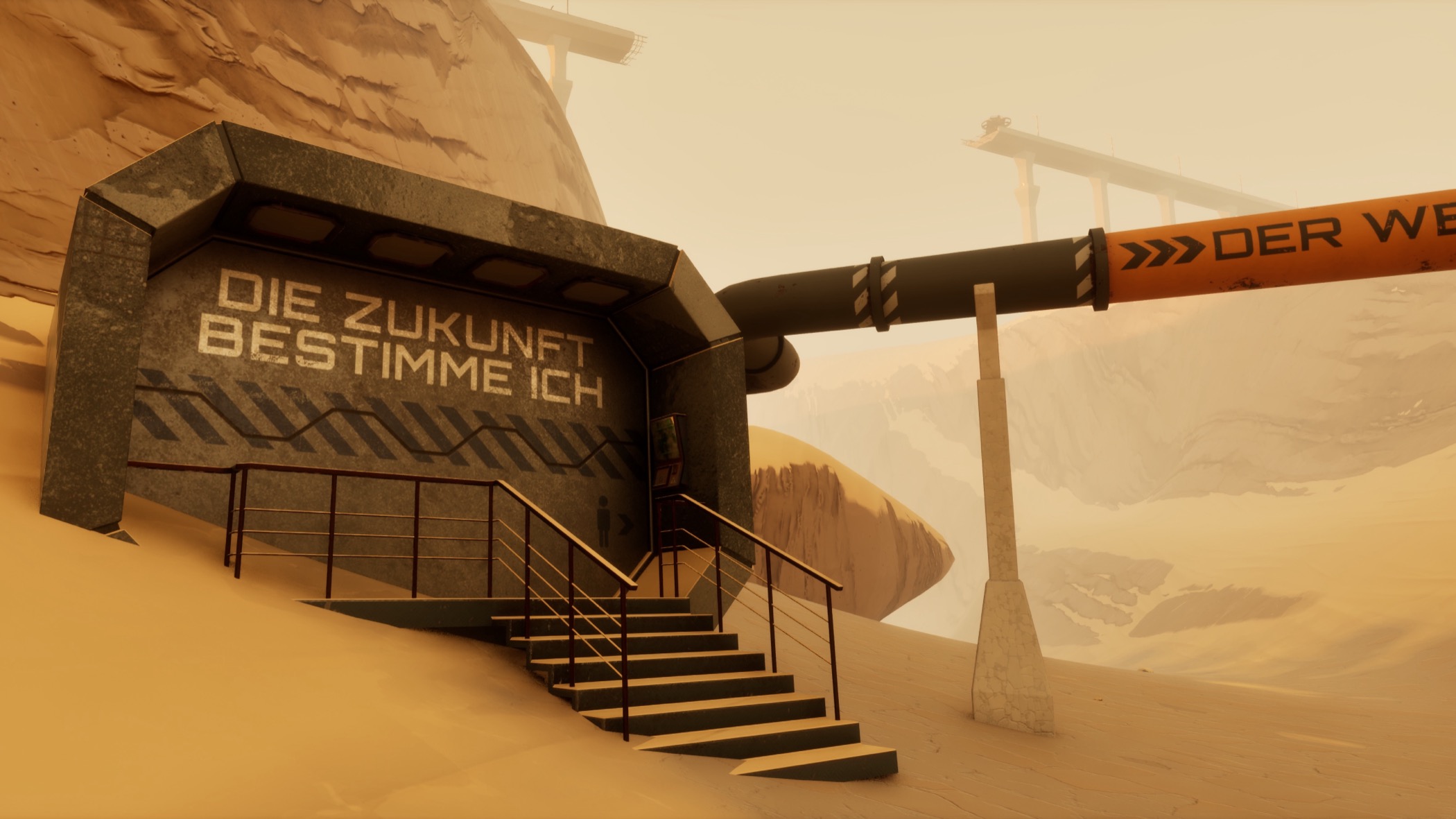
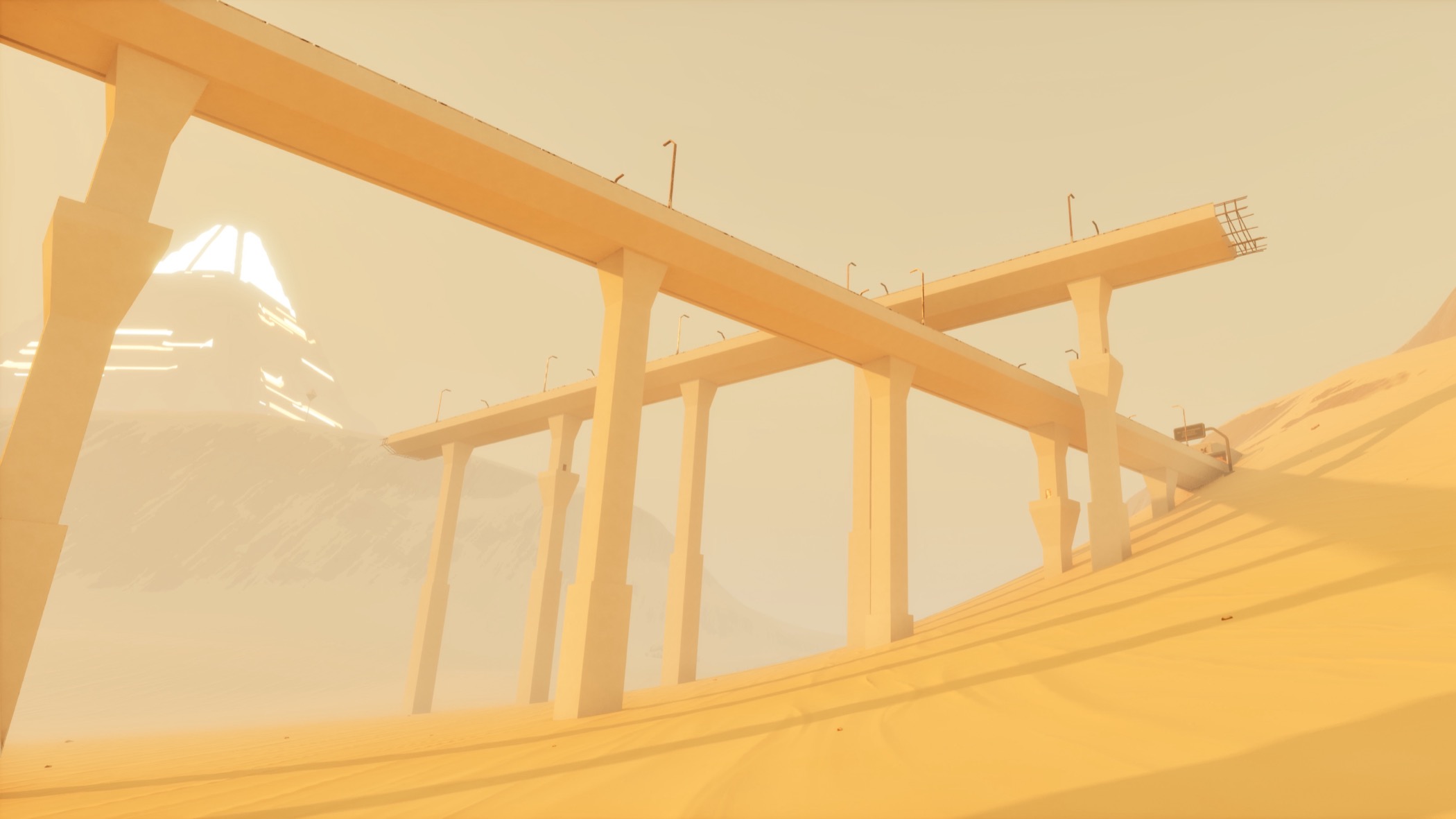
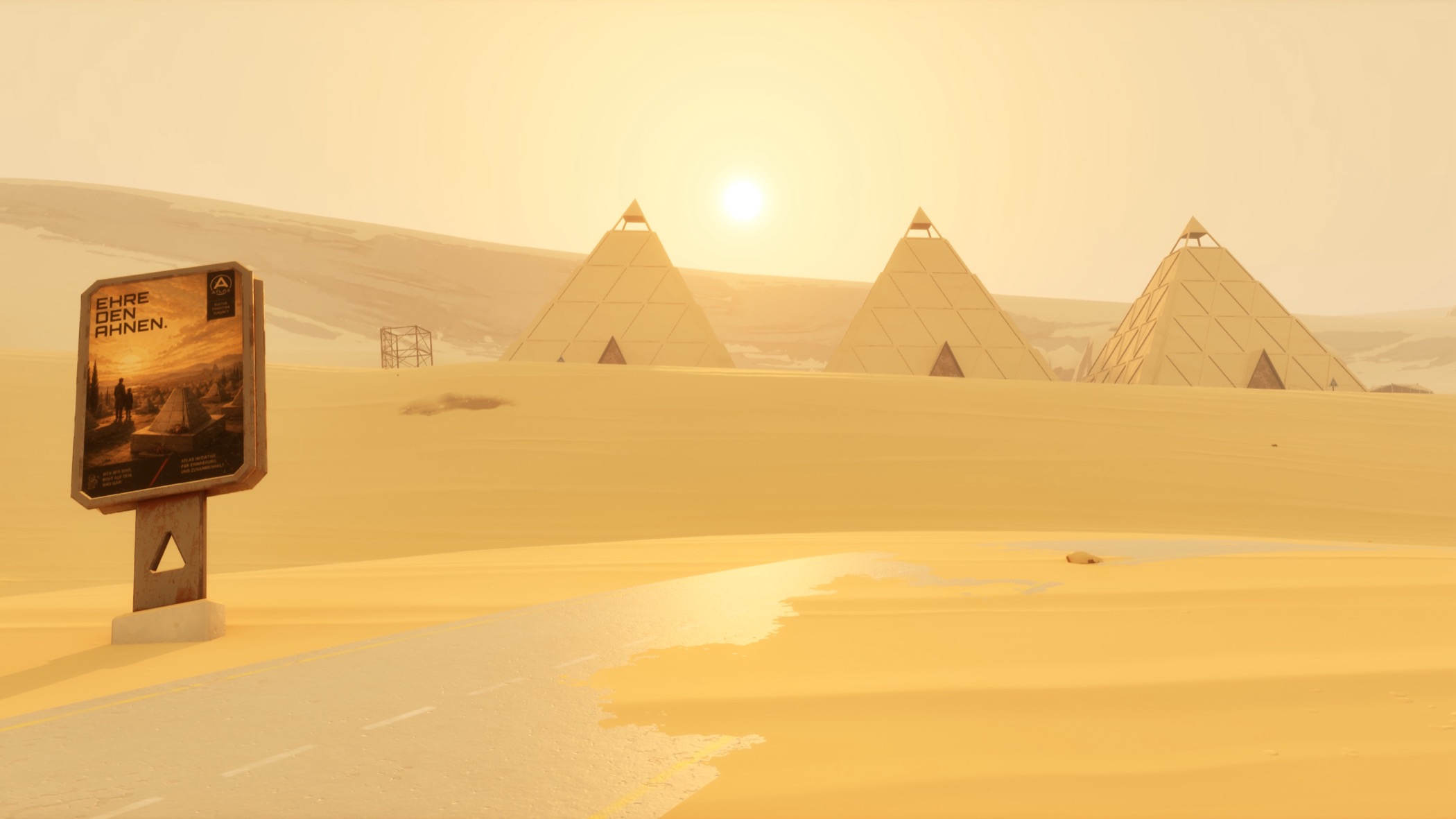
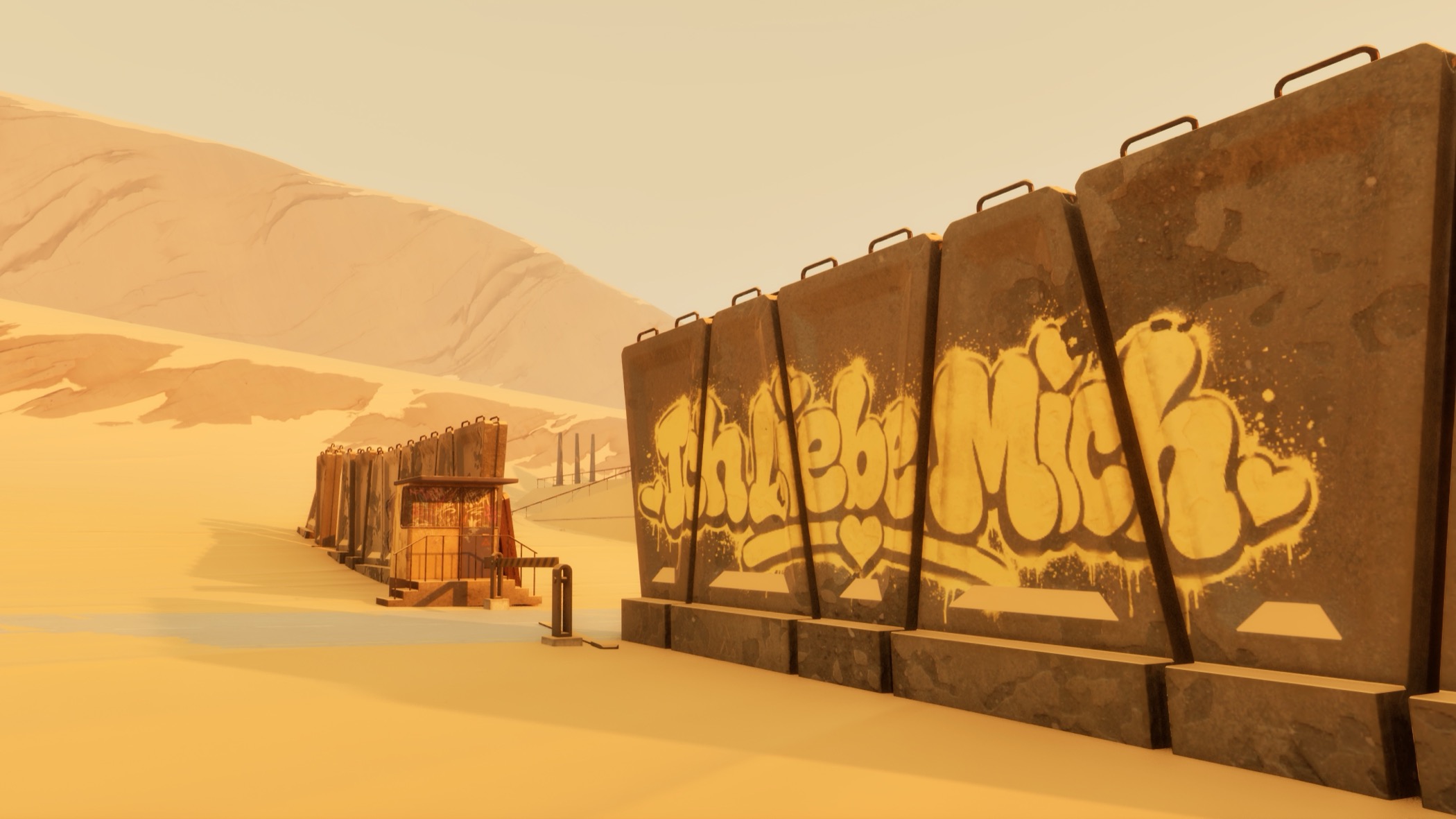
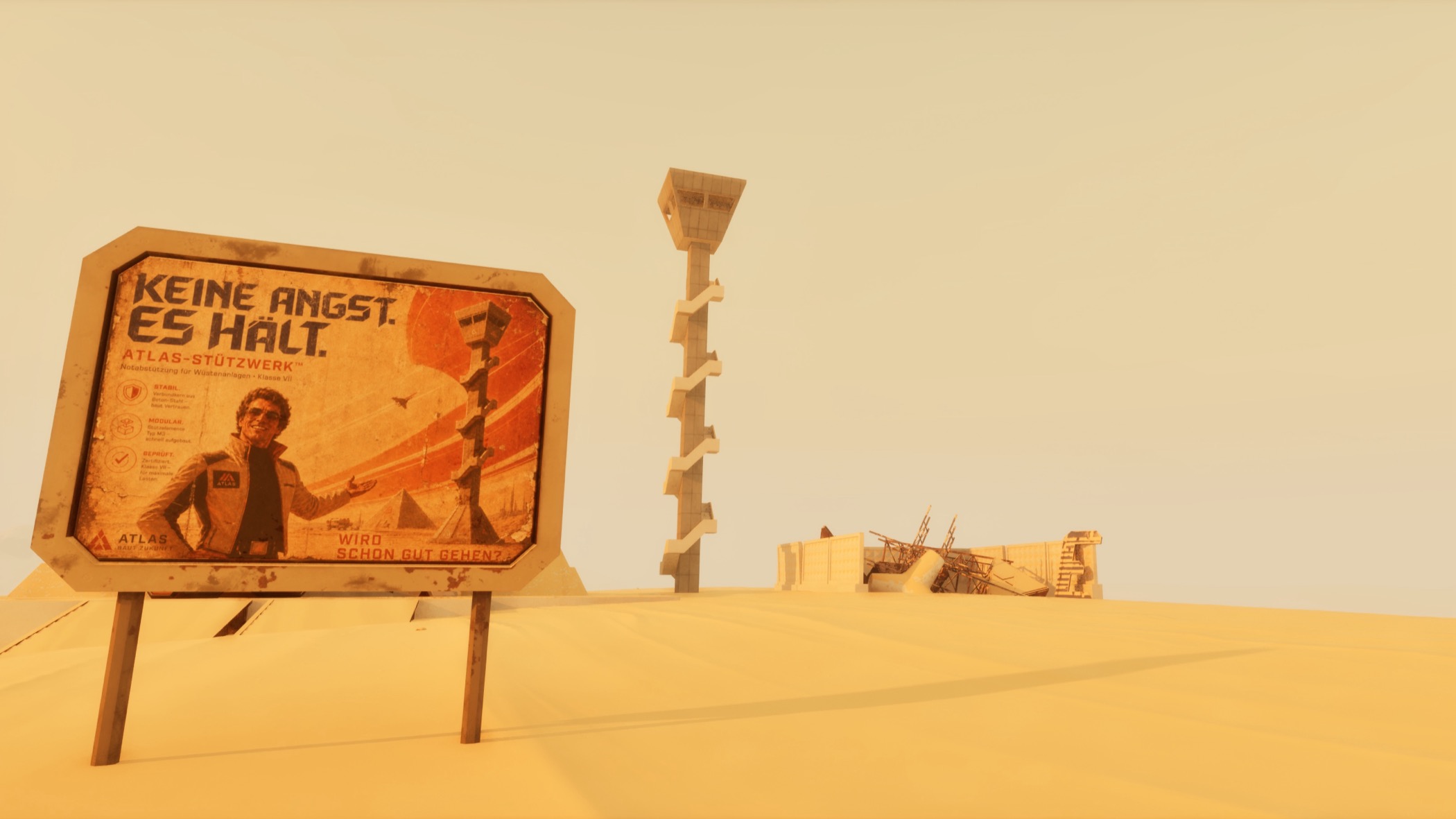
The Power of Two는 VOLNA가 만든 규칙 기반의 절차적 생성 아트 게임입니다. '왼쪽 또는 오른쪽'이라는 단 하나의 단순한 규칙이 세 가지 생성 시스템을 동시에 작동시킵니다. 게임 세계, 사운드트랙, 그리고 플레이어만을 위한 노래가 바로 그것입니다.
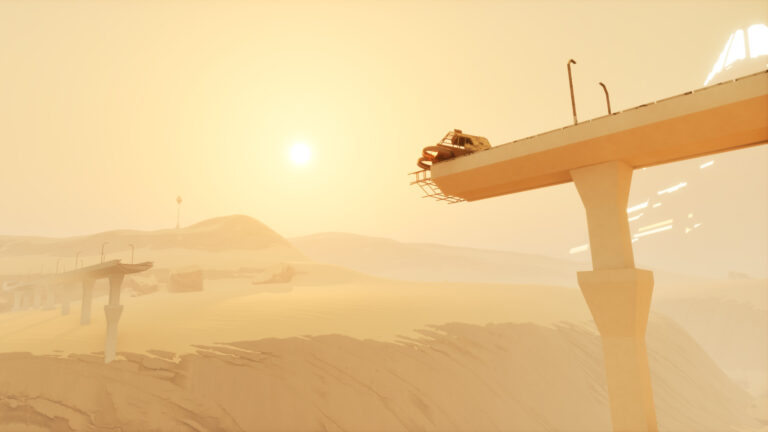
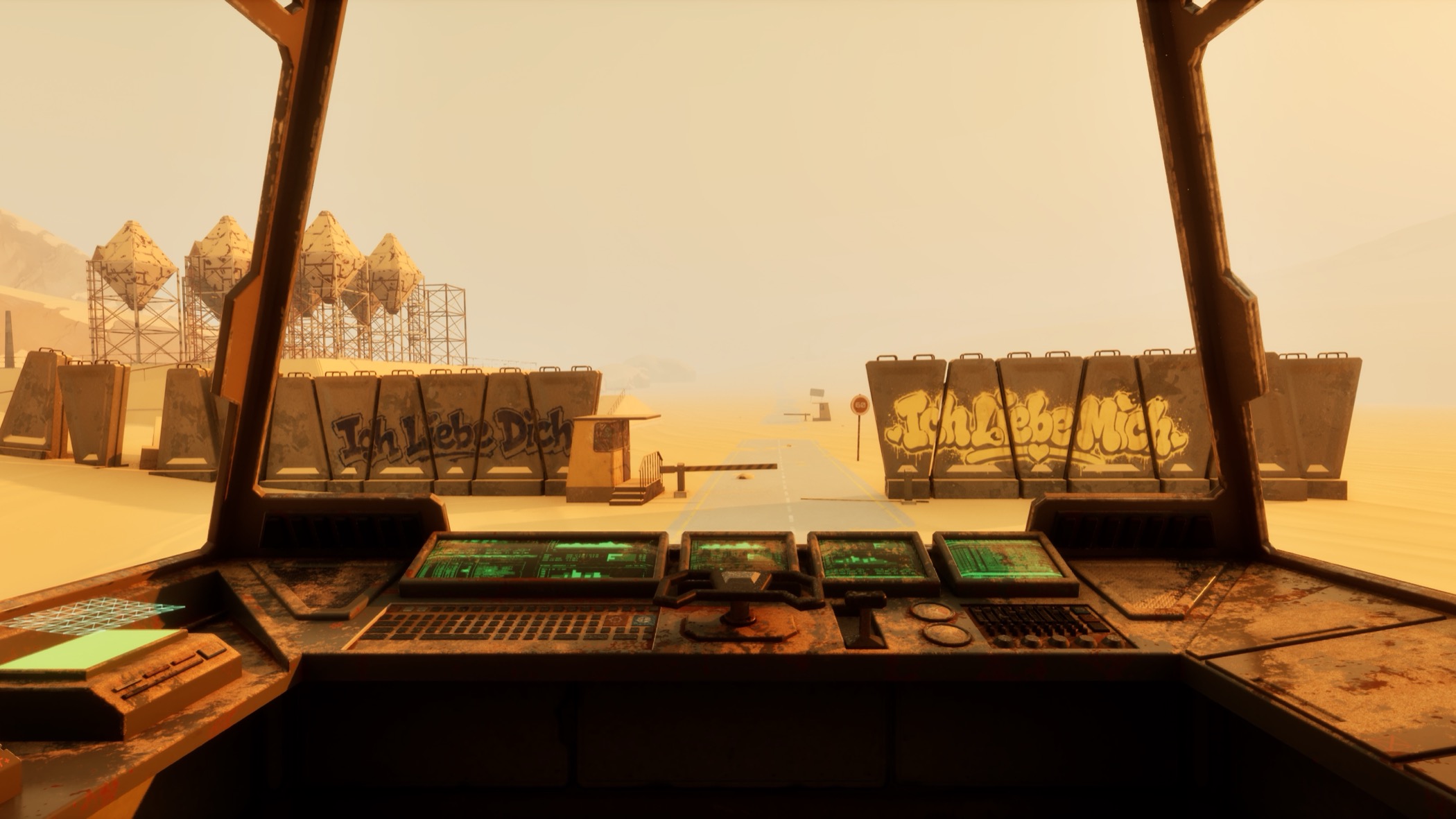
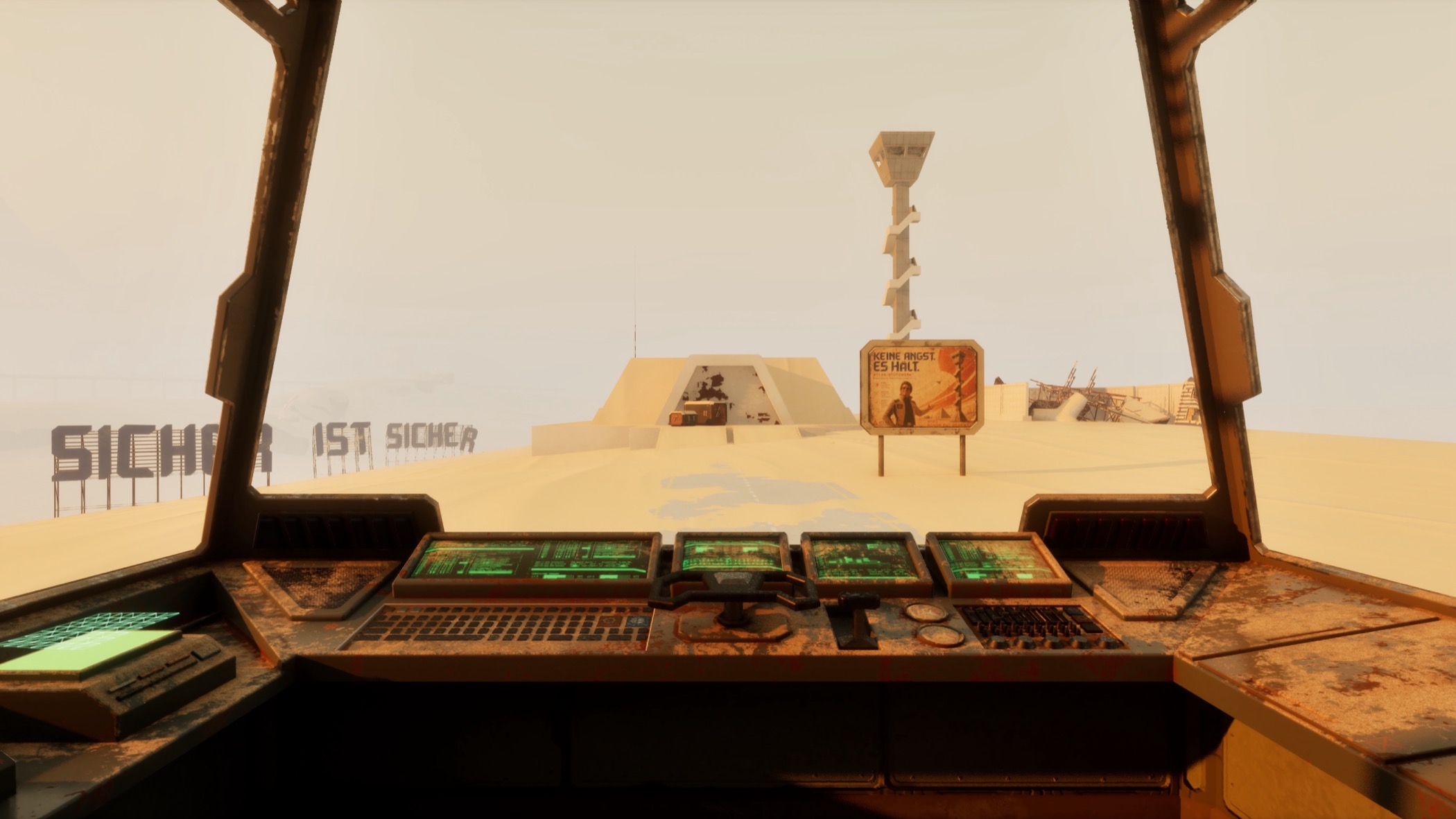
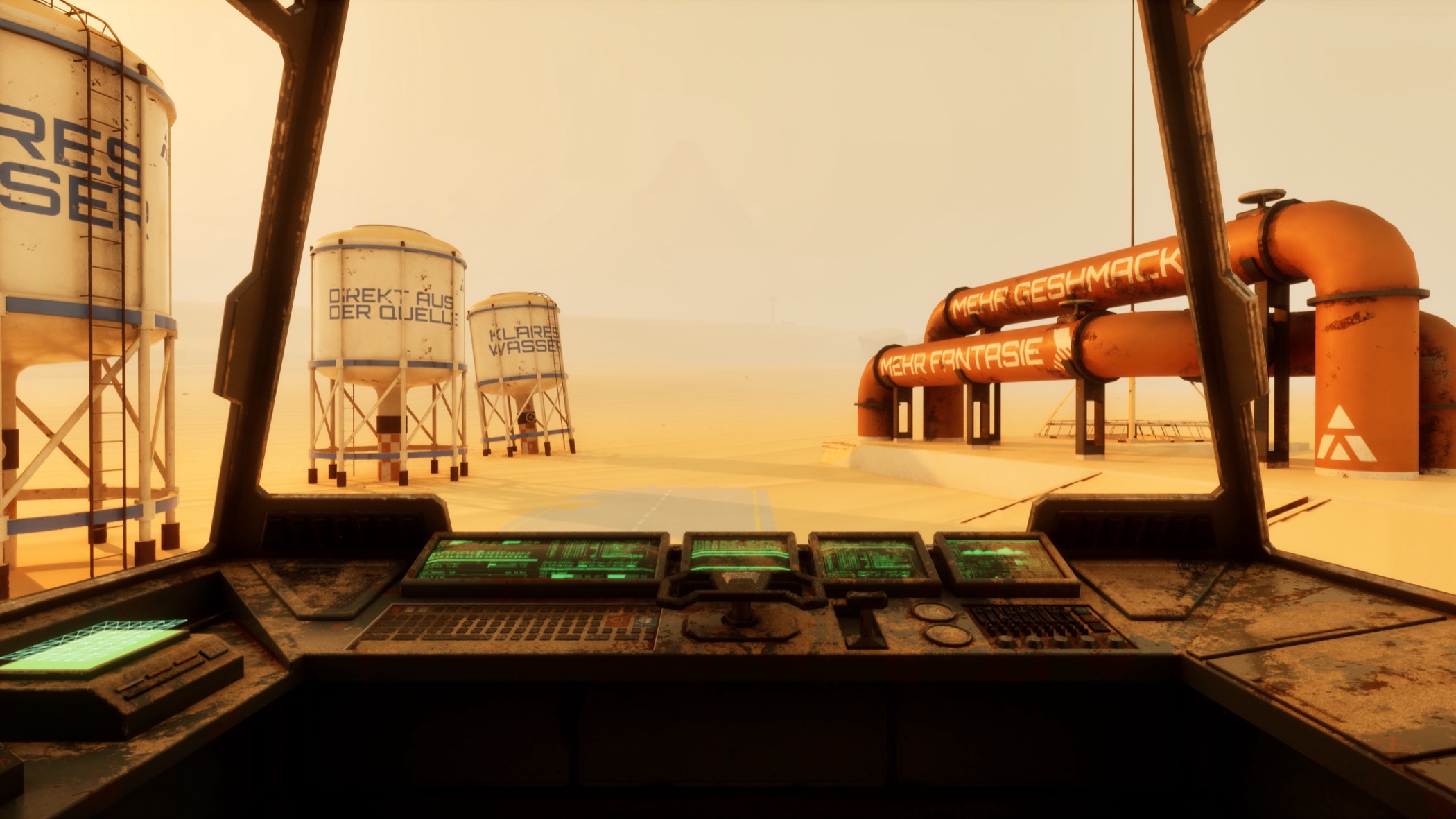
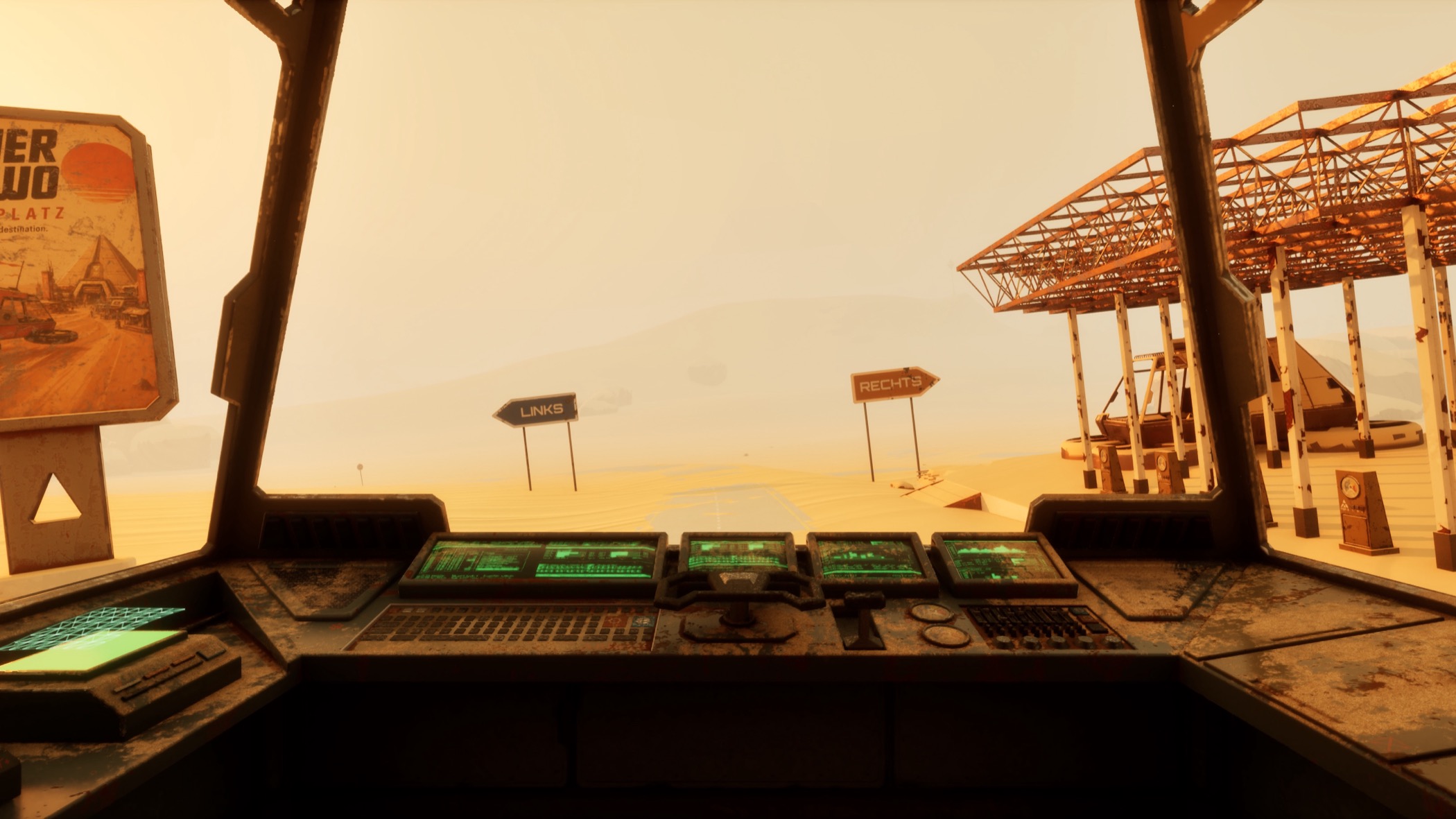
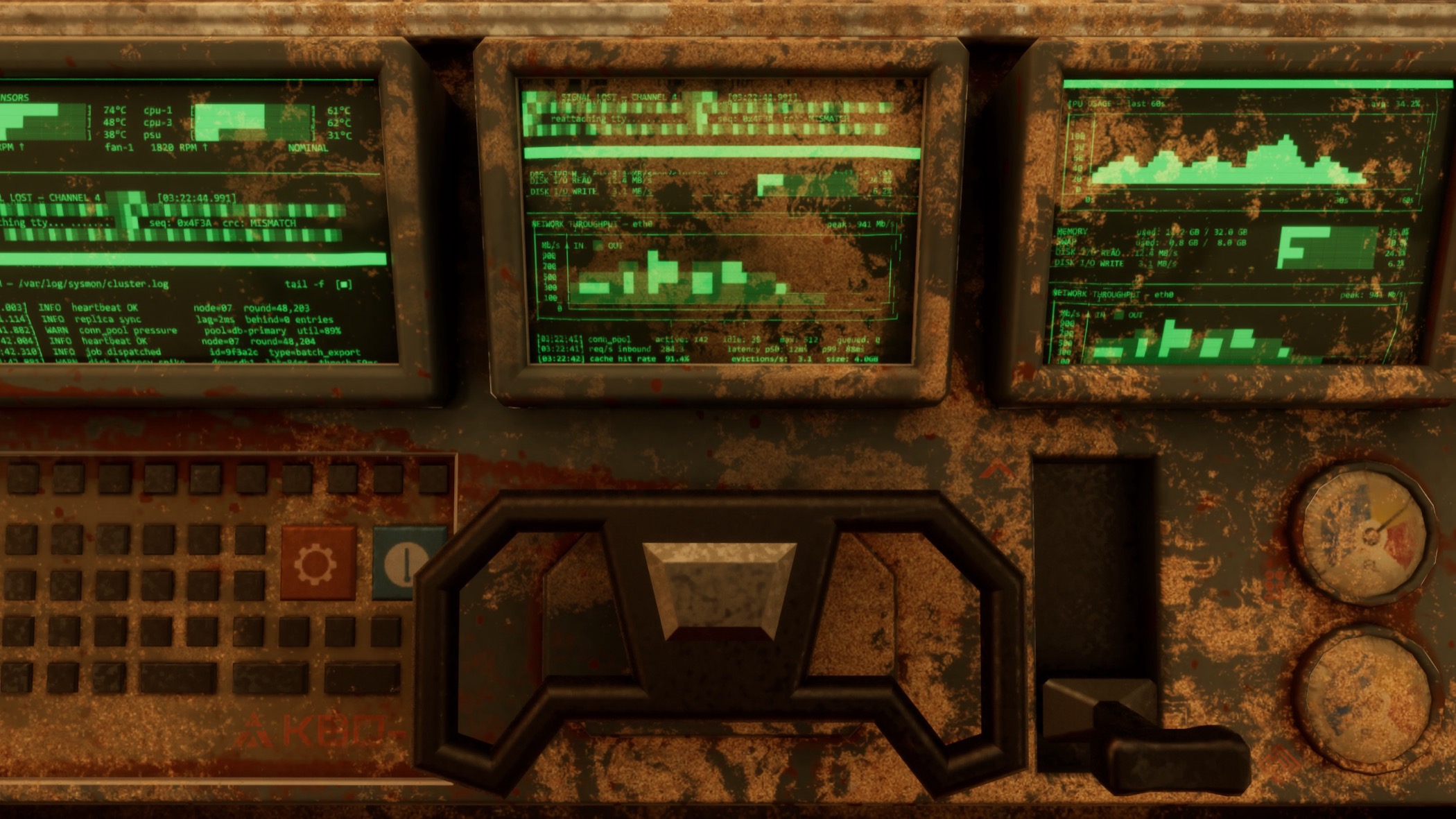
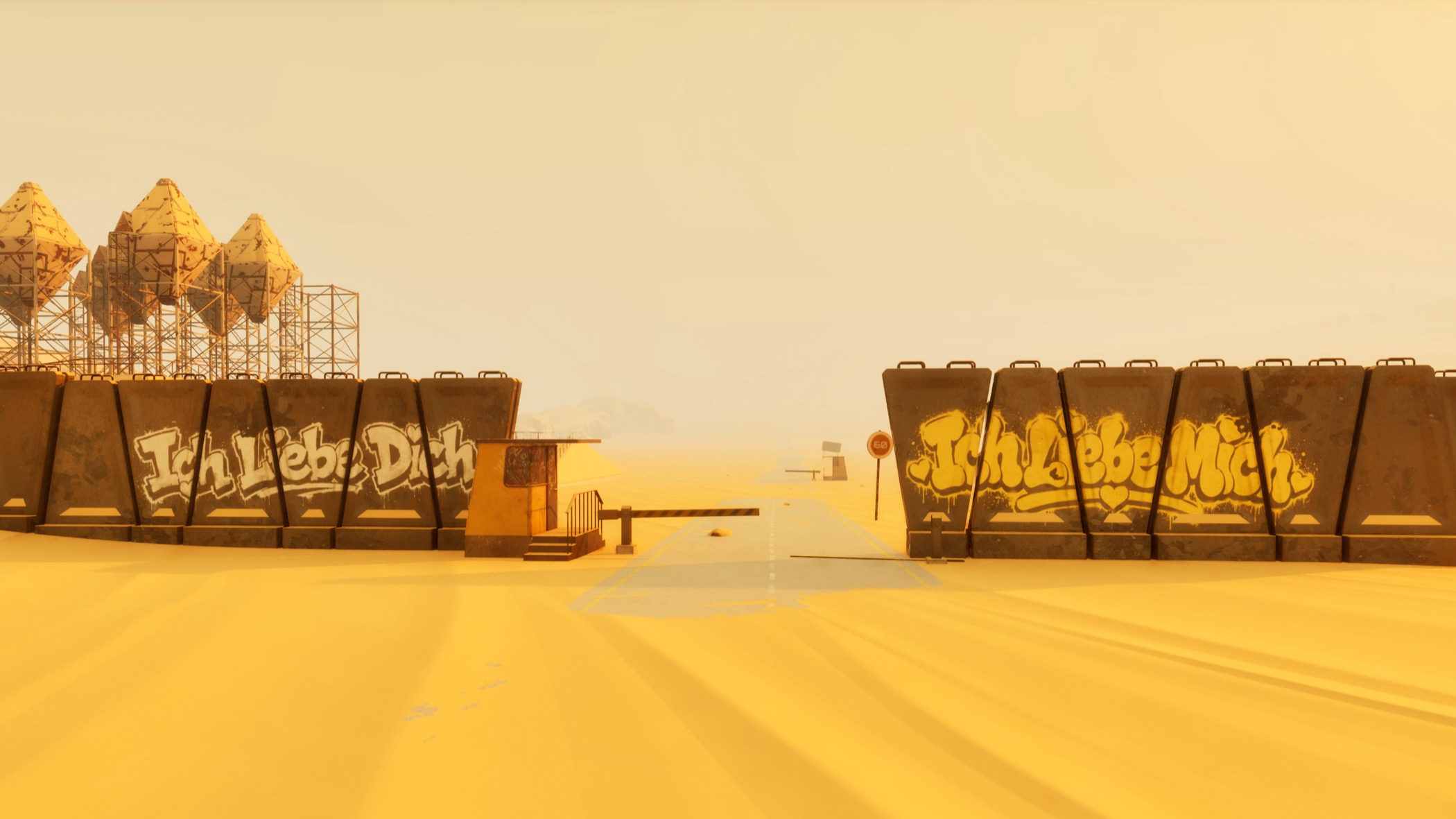
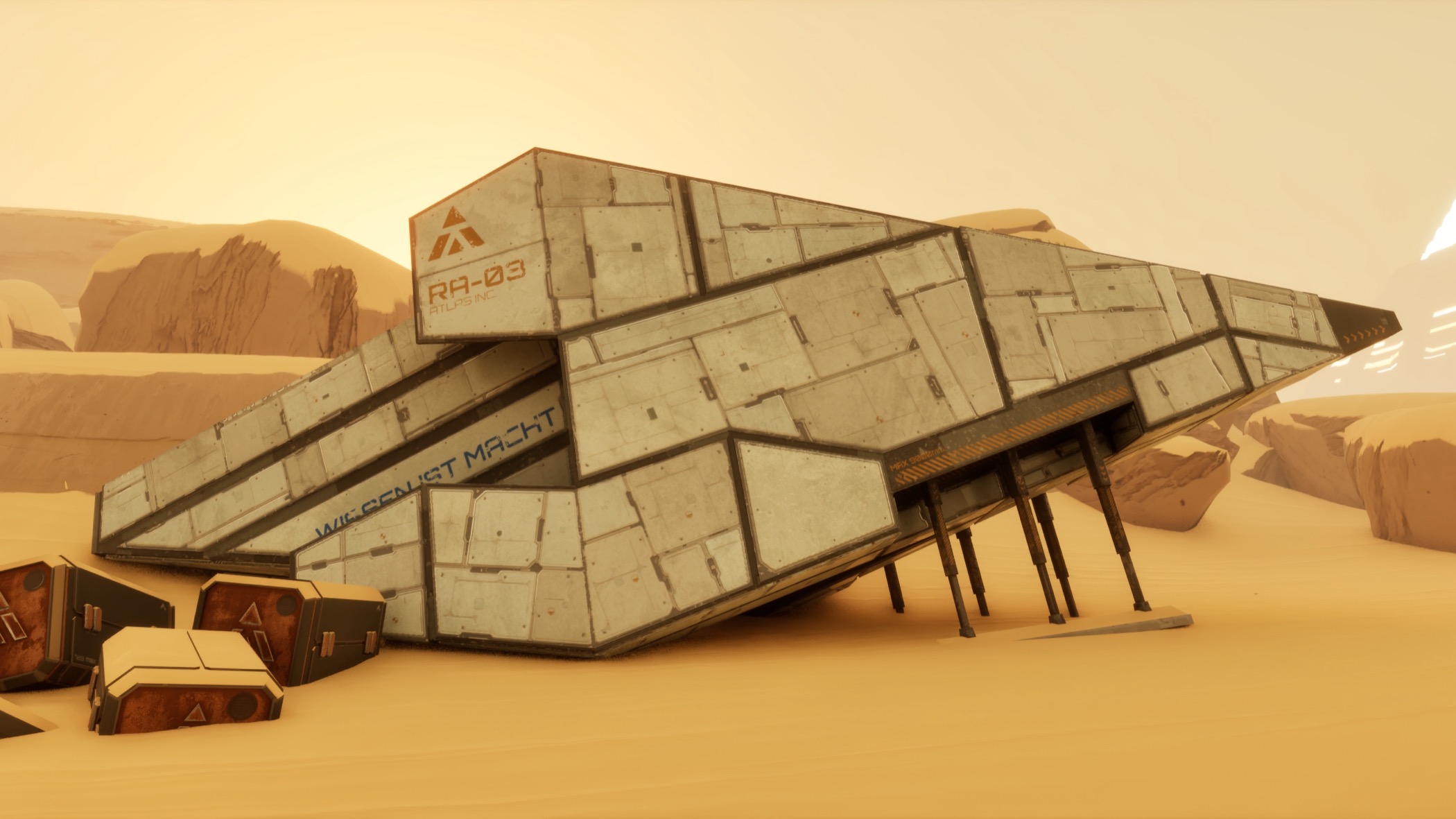
플레이어는 미래적인 탈것을 타고 광활하고 단순화된 사막 풍경을 가로지르며, 광고와 미디어, 일상 문화에서 길어 올린 짧은 문구들과 마주칩니다. 매 갈림길에서 선택지는 둘뿐입니다. 이렇게 일곱 번의 결정이 쌓이면 7비트 시퀀스가 완성되고, 총 128가지의 조합이 가능합니다. 각각의 시퀀스는 세 가지 시스템 모두에 걸쳐 고유한 결과를 만들어냅니다.
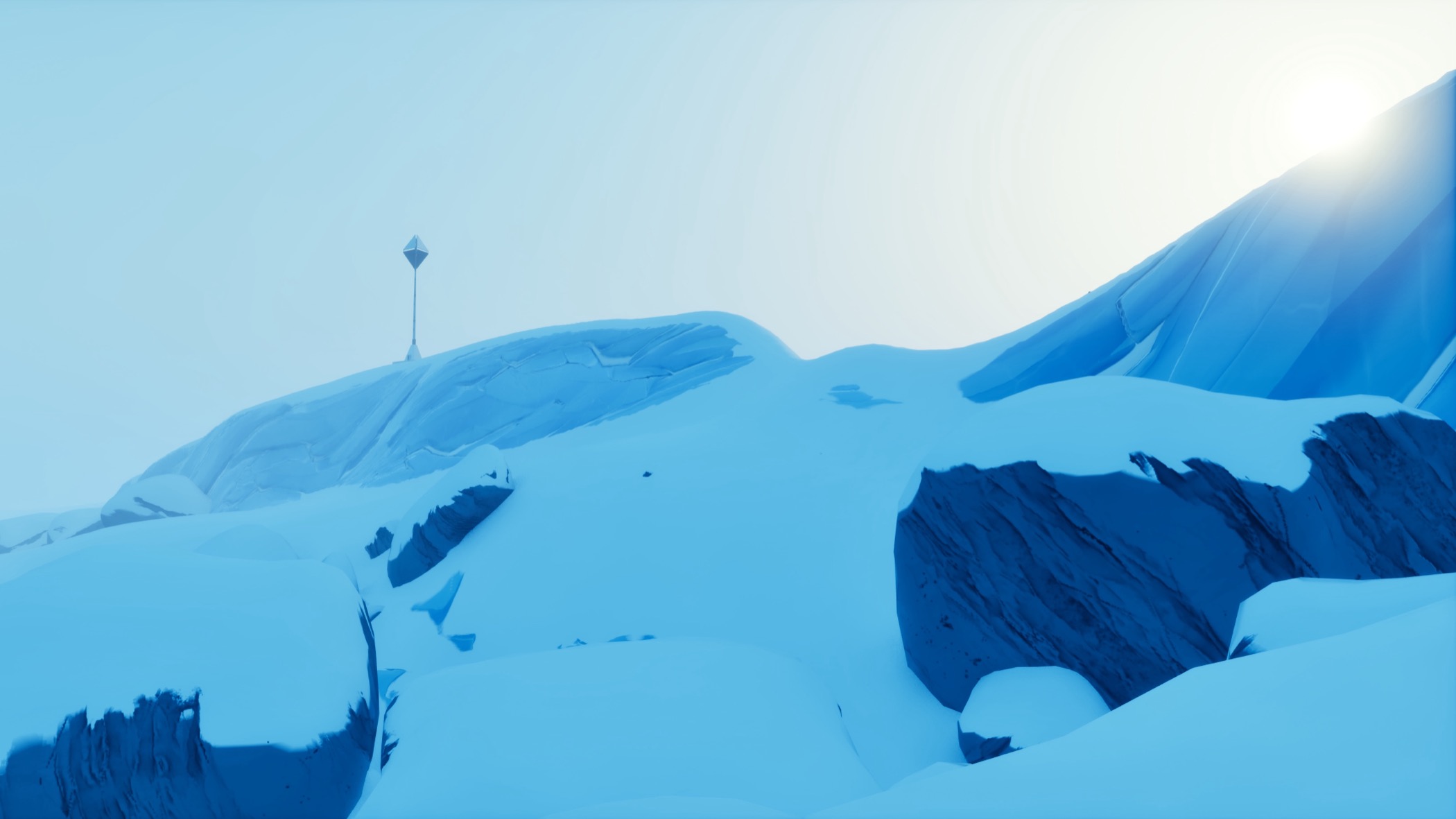
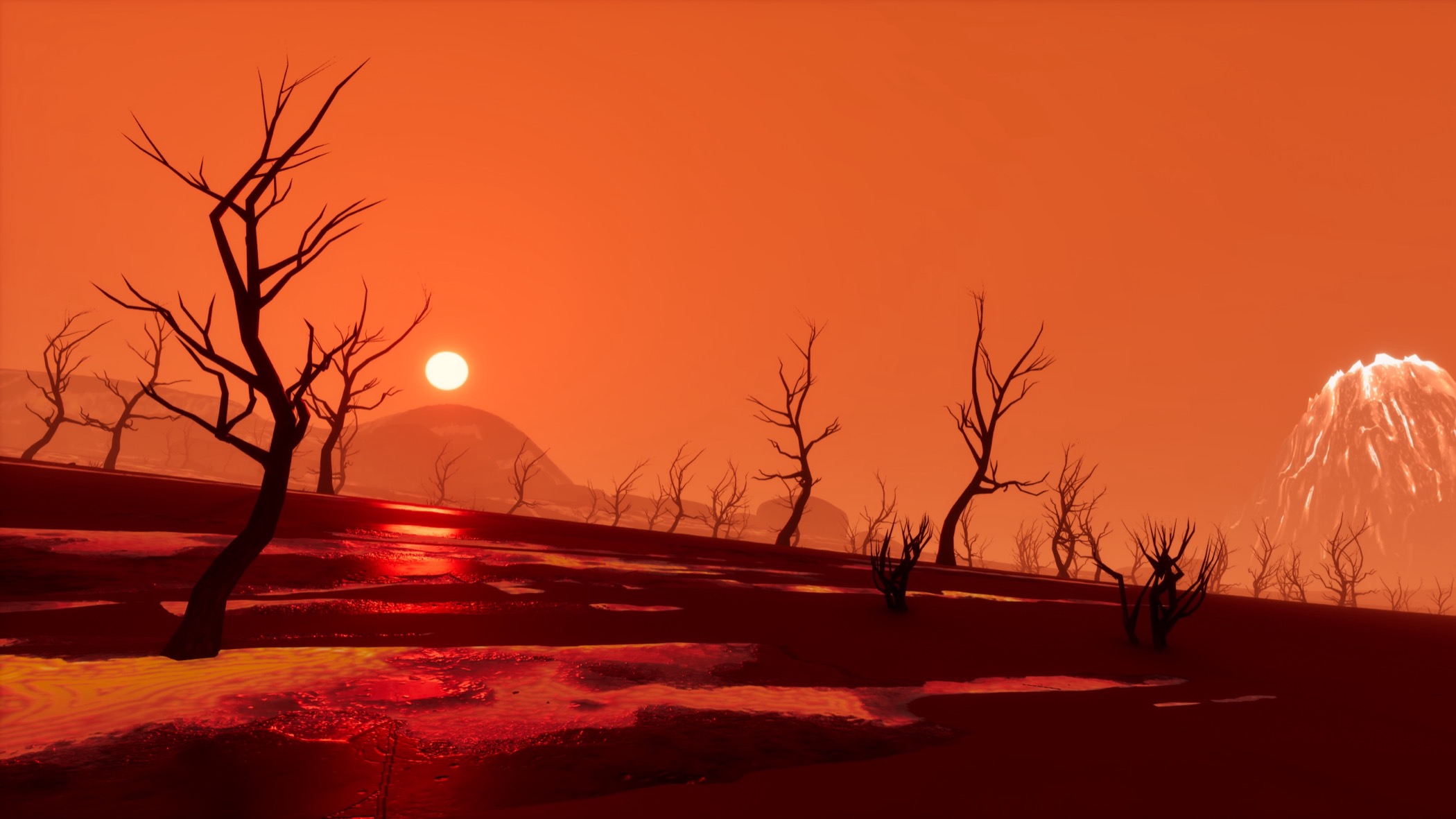
게임 환경 또한 플레이어가 걸어온 경로에 따라 절차적으로 형성됩니다. 열기가 쌓여 화산 황무지로 타오르기도 하고, 차갑게 식어 고요한 빙하로 굳어지기도 하며, 그 사이 어딘가의 좁은 균형 지점에 머물기도 합니다. 어느 한 번의 선택이 결과를 결정짓지 않습니다. 돌이켜 보았을 때 비로소 전체 시퀀스가 어떤 세계를 만들어냈는지 드러납니다.
Szdåt이 작곡한 사운드트랙도 같은 생성 논리를 따릅니다. 느리고 여유로우며 약간은 낡은 듯한 앰비언트 소재들이 층층이 쌓여, 매 선택에 반응하며 끊임없이 재조합되고 변이합니다. 무엇이 변화를 촉발했는지 직접적으로 드러내지 않으면서. 이 음악은 '듣는' 것이 아니라 '그 안에 머무는' 사운드스케이프를 지향합니다. 마지막 선택이 끝나면, 이 시스템은 하나의 생성된 노래로 완성됩니다. 플레이 과정에서 선택된 문구와 결정들을 알고리즘적으로 엮어 만든 곡입니다. 텍스트에서 음악으로 이어지는 매핑은 열린 생성에 맡기지 않고 의도적으로 설계되었습니다. 덕분에 128가지 노래 각각은 무작위 리믹스가 아닌, 특정 경로의 선명한 흔적으로 남습니다.
개념적으로 이 프로젝트는 창발(emergence) 모델에서 출발합니다. 단순하고 국지적인 규칙의 반복으로부터 복잡하고 질서 있어 보이는 구조가 어떻게 생겨나는가 하는 질문이죠. 직접적인 참조점 중 하나는 '랭턴의 개미(Langton's Ant)'입니다. 단 두 가지 최소한의 규칙을 따르는 하나의 에이전트가, 처음에는 무작위처럼 보이는 행동을 만들어내다가 수많은 반복 끝에 비로소 인식 가능한 구조로 수렴하는 시스템입니다. 또 다른 참조점은 에드윈 애벗(Edwin Abbott)의 소설 『플랫랜드(Flatland)』에서 가져온 아이디어입니다. 시스템 안에서 움직이는 존재에게는 그 질서가 보이지 않으며, 외부의 시점에서 바라볼 때에만 비로소 전체 구조가 드러난다는 것입니다. 더 파워 오브 투(The Power of Two)에서 플레이어가 경험하는 것은 오직 눈앞의 다음 선택뿐입니다. 걸어온 길 전체의 형태는, 게임을 이루는 생성 시스템의 구조와 마찬가지로, 모든 것이 끝난 뒤에야 비로소 모습을 드러냅니다.
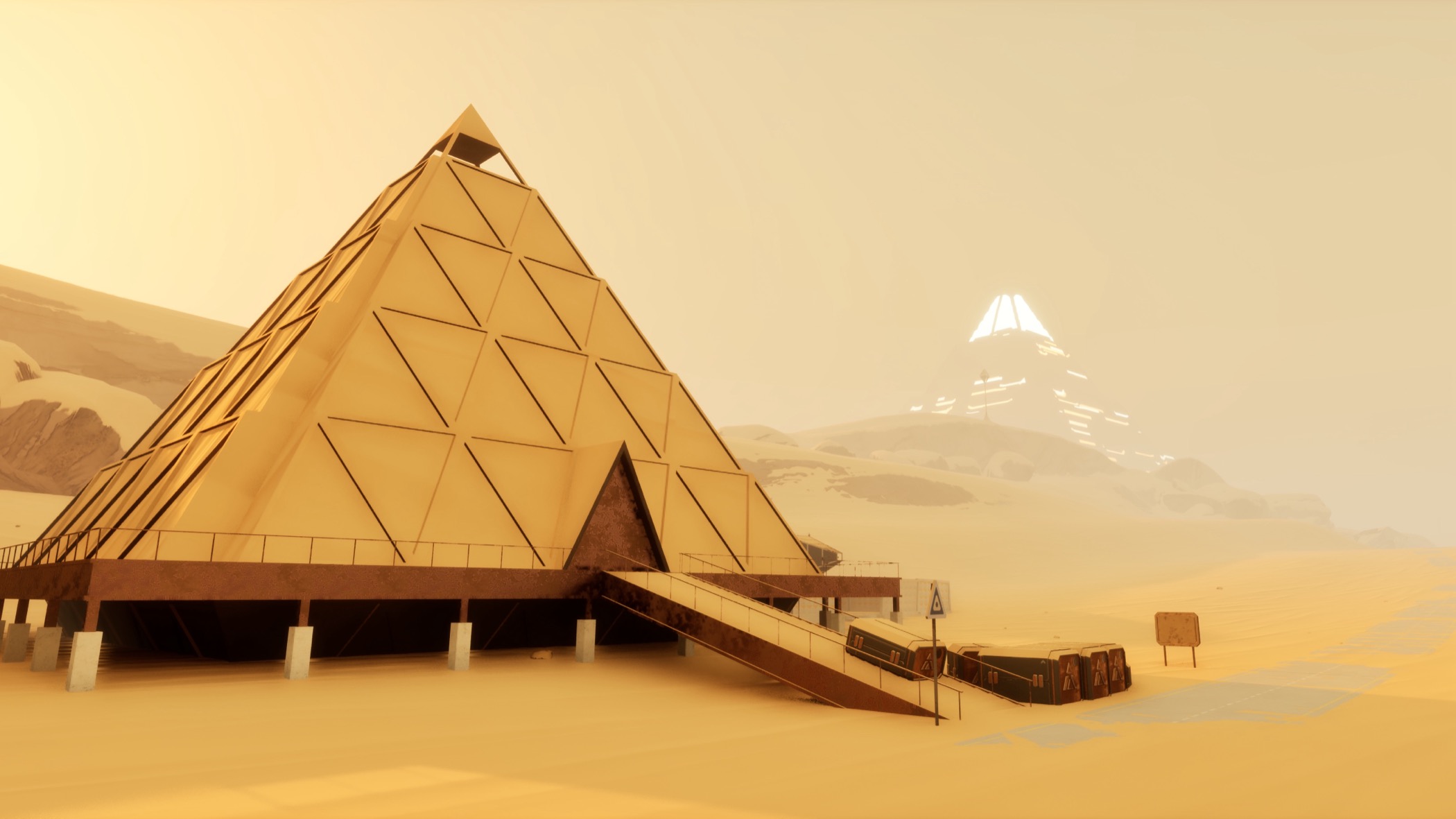
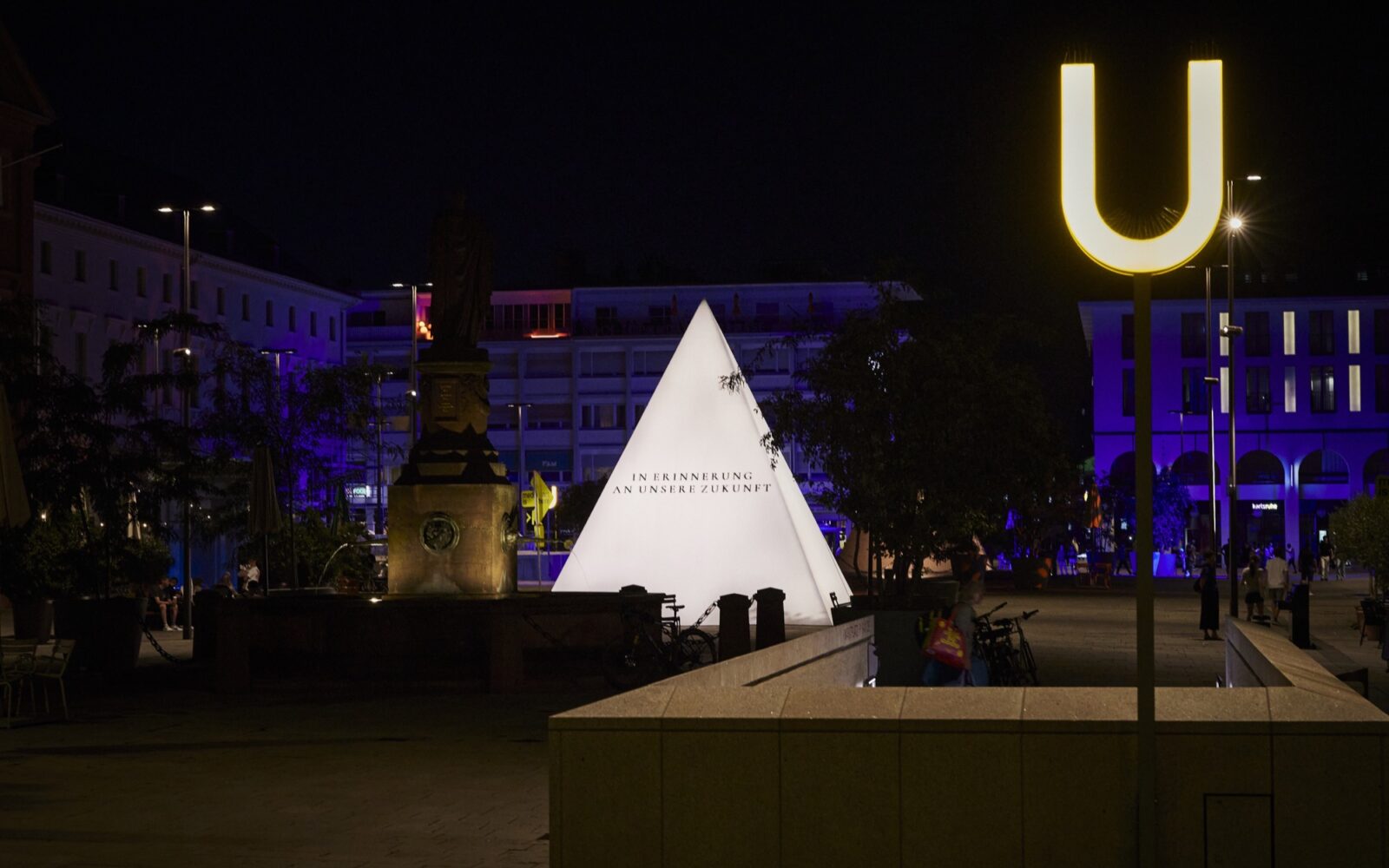
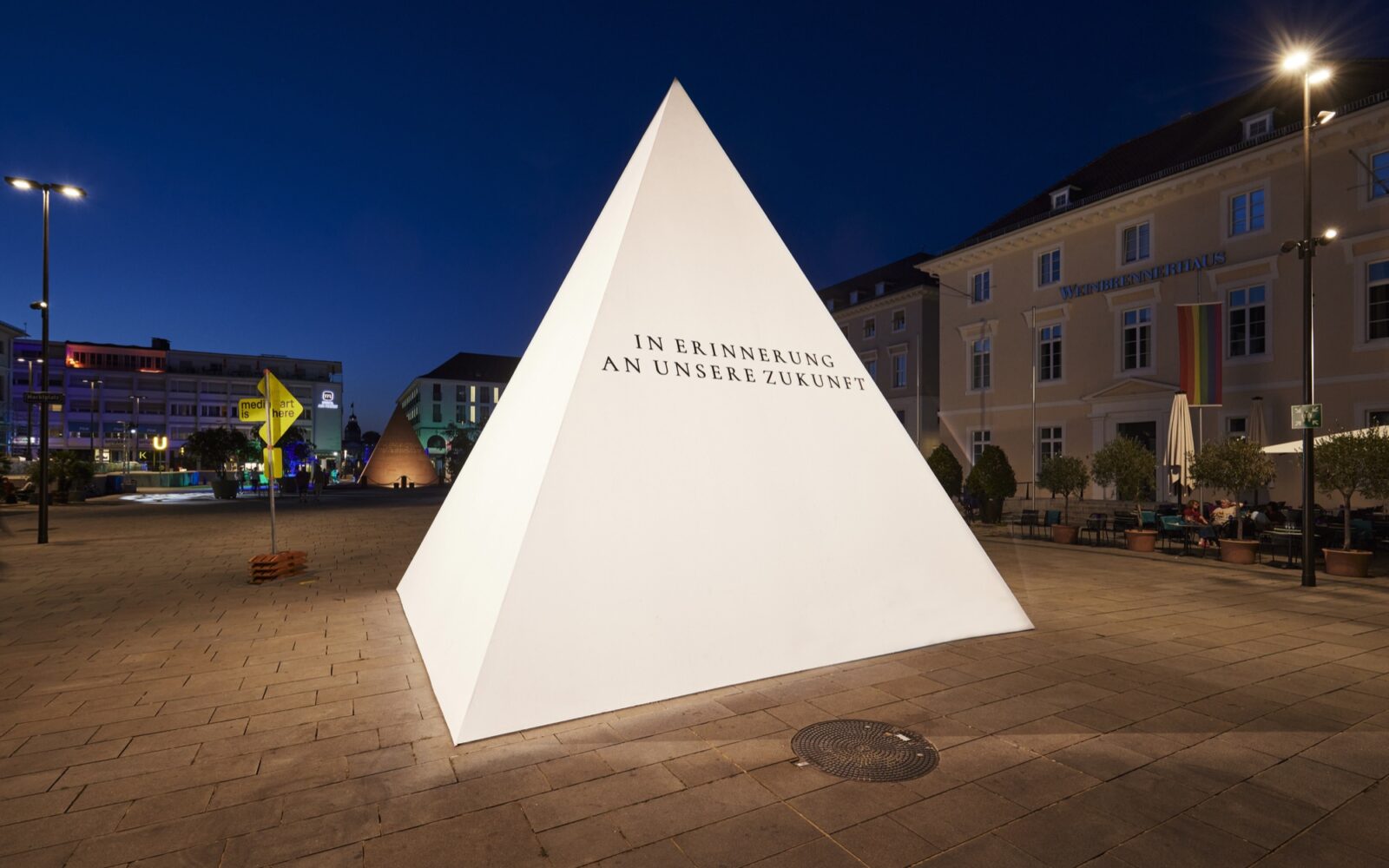
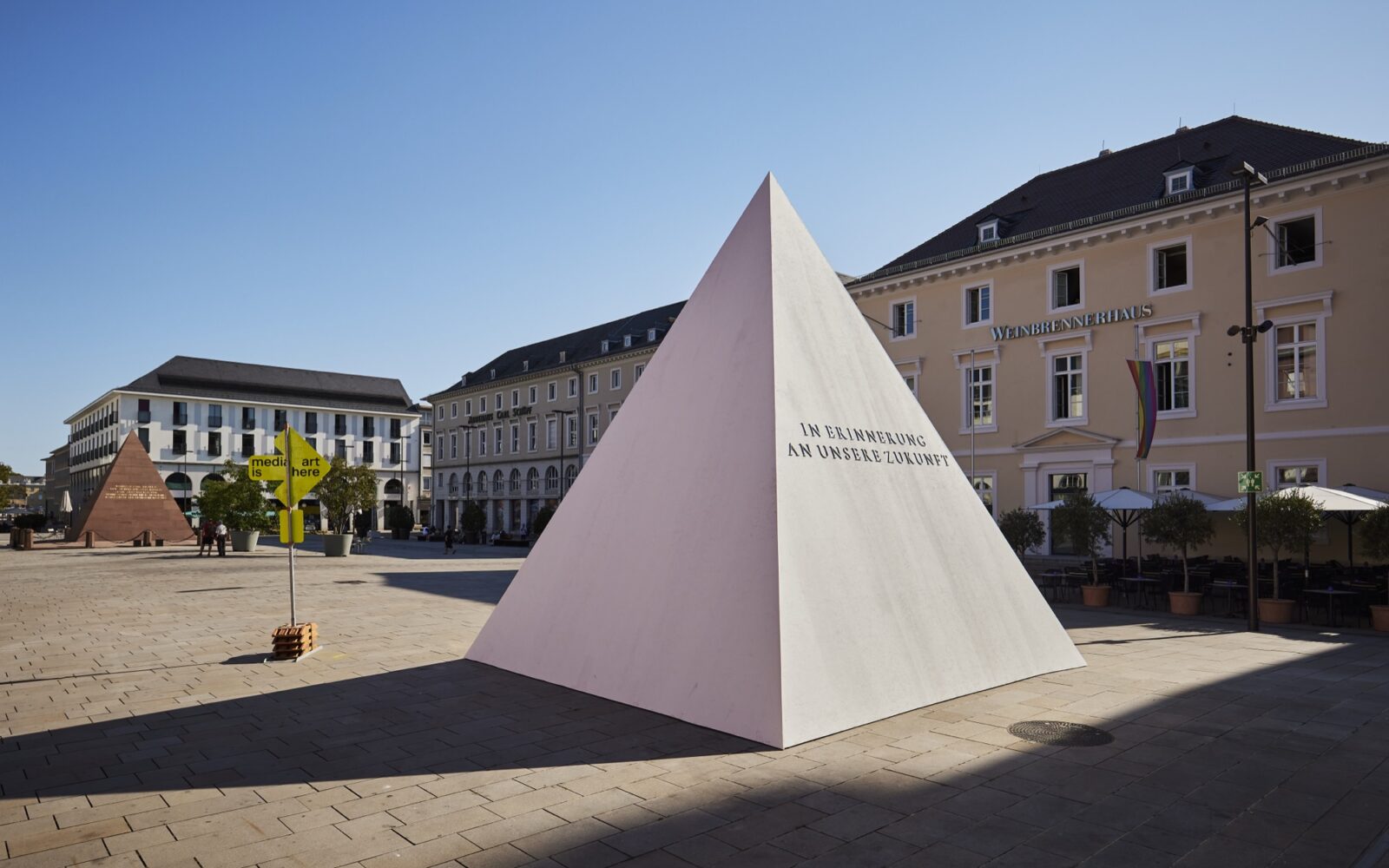
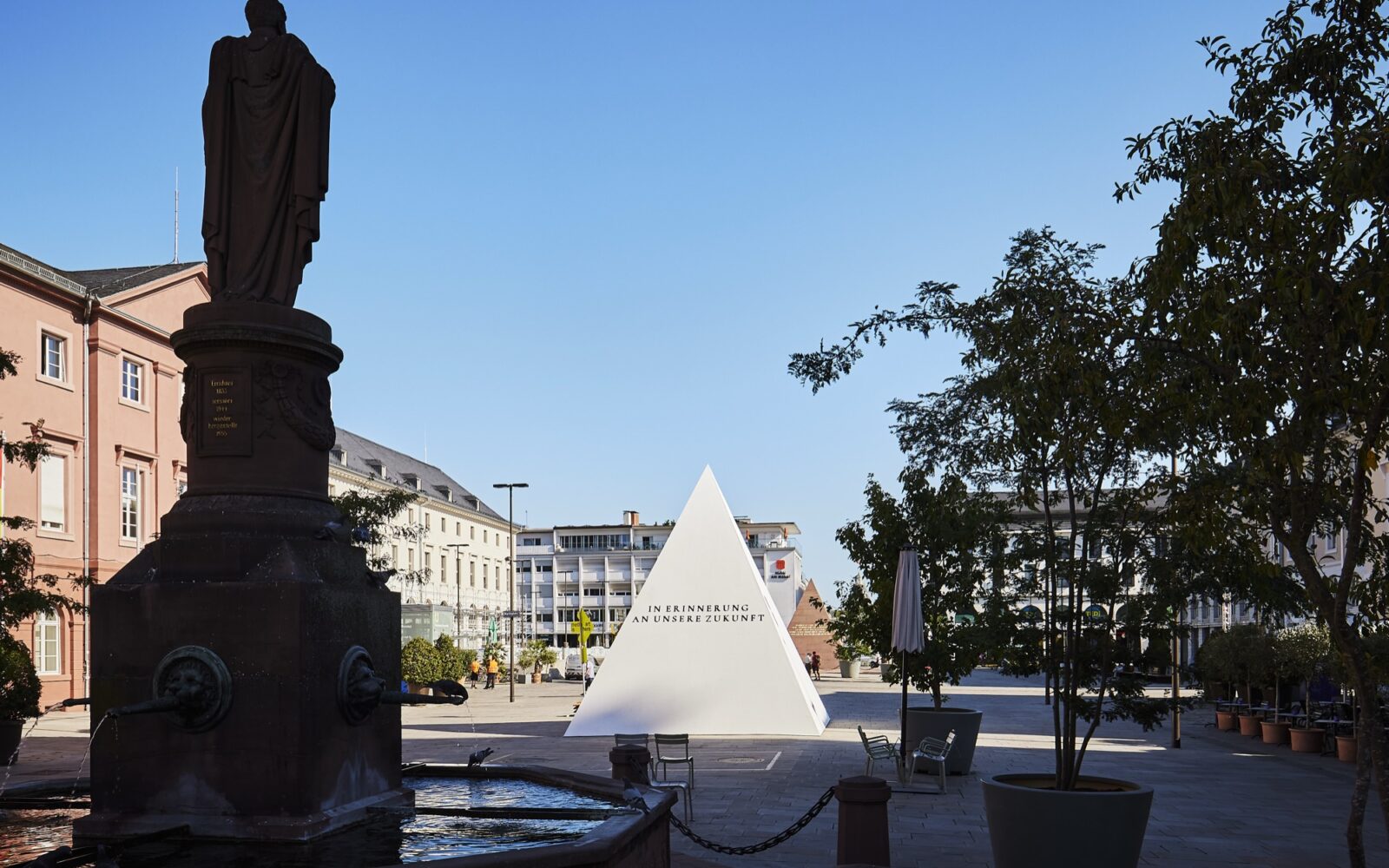
더 파워 오브 투(The Power of Two)의 가상 세계는 두 파트로 구성된 미디어 아트워크, 피라미데 폰 모르겐(Pyramide von morgen)의 디지털 절반에 해당합니다. 노리나 킨테(Norina Quinte)와 안드레아스 횔도르퍼(Andreas Hölldorfer, ato)가 제작한 이 작품은 카를스루에(Karlsruhe)의 마르크트플라츠(Marktplatz) 광장에 설치되어 있습니다. 물리적 실체는 흰색 조각 구조물로, 카를스루에의 역사적 건축물인 바인브레너 피라미드(Weinbrenner Pyramid)를 추상화한 복제물입니다. 그 표면에는 "In Erinnerung an unsere Zukunft(우리의 미래를 기억하며)"라는 문구가 새겨져 있습니다. 과거를 보존하는 역할을 해온 역사적 피라미드와 달리, 이 새로운 구조물은 가능한 미래를 비추는 열린 투영 면으로 기능합니다. 기념물이 전통적으로 과거를 향하던 시선을 반대 방향, 즉 미래 쪽으로 돌려놓는 것입니다. 조각과 게임은 함께 과거, 현재, 미래를 잇습니다. 조각이 공간적 제스처로 미래에 대한 질문을 던진다면, 게임은 그 질문을 생성적이고 참여적인 시스템으로 번역합니다.
전시 외에도 The Power of Two는 무료 PC 앱으로 따로 제공되기 때문에, 카를스루에 현장을 직접 방문하지 않아도 누구든 다운로드해서 즐길 수 있습니다. 한 가지 참고할 점은, 이 앱이 독일 카를스루에 전시를 위해 특별히 제작된 버전인 만큼 게임이 독일어로 진행된다는 것입니다.
엔진 & 플랫폼 The Power of Two는 Unreal Engine으로 제작되었습니다. 무료 단독 PC 애플리케이션으로 배포되며, 전시 설치 작품과 별개로 독립적으로 플레이할 수 있습니다.
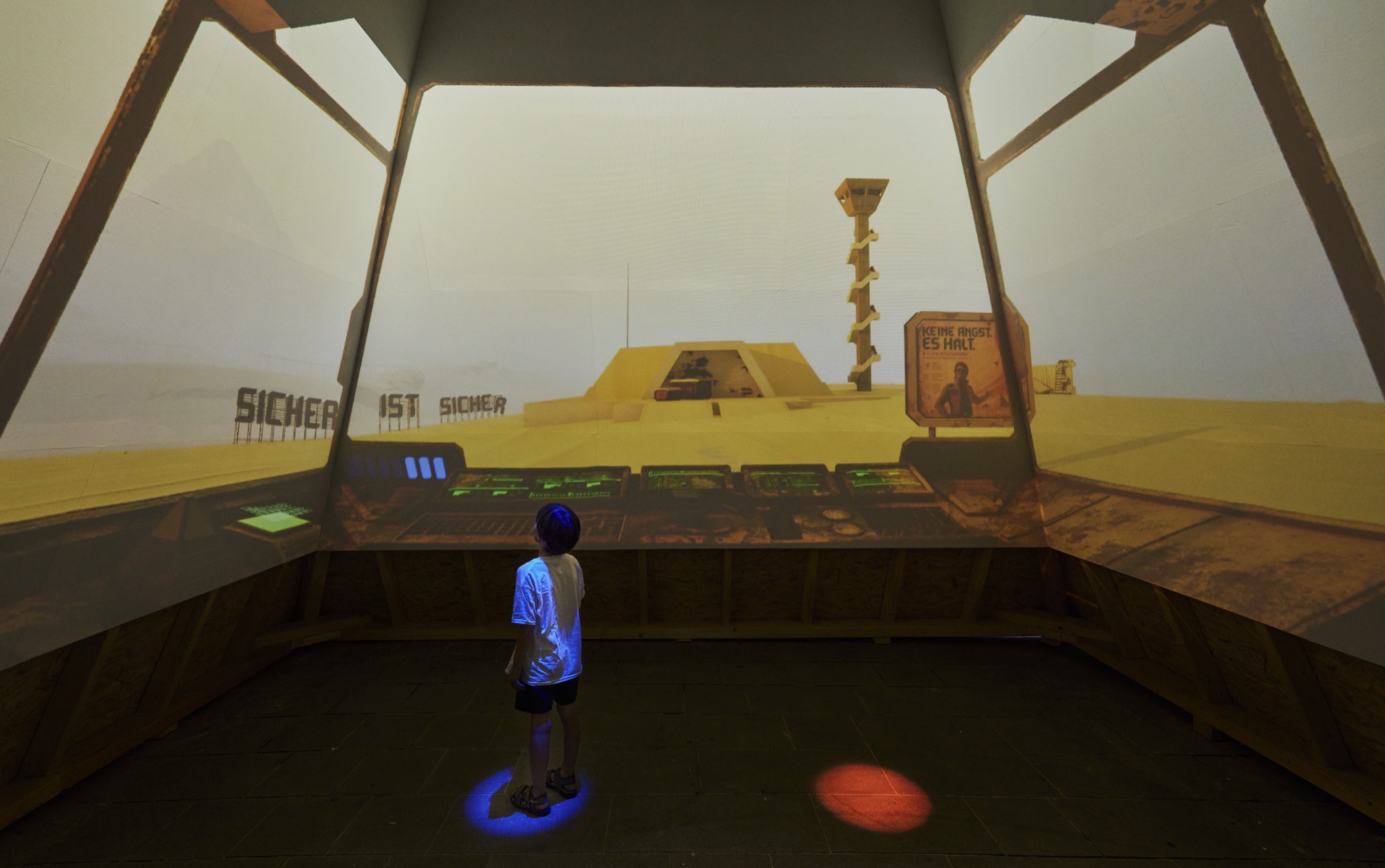
설치 및 인터랙션 (현장) 피라미드 내부 공간에서 이 게임은 몰입형 파노라마 프로젝션으로 구현됩니다. Unreal Engine에서 실시간으로 렌더링된 화면이 MadMapper를 통해 스트리밍되는 방식입니다. 관람객은 몸을 직접 움직여 게임을 조작합니다. 공간 안으로 두 줄기의 빛이 투사되어 각각 '왼쪽'과 '오른쪽' 선택지를 나타내며, LiDAR 센서가 어느 빛 줄기 쪽으로 손을 뻗는지 감지합니다. 이 신호는 DMX를 통해 Unreal Engine으로 전송되어 게임 세계를 그에 맞게 전진시킵니다.
생성형 음악 시스템 사운드트랙은 Szdåt이 작곡한 12개의 핵심 사운드스케이프를 기반으로 합니다. 이 요소들은 플레이어가 선택하는 경로에 따라 비선형적으로 조합되기 때문에, 같은 순서나 같은 비율로 반복되는 플레이는 사실상 존재하지 않습니다. 그러면서도 어떤 조합이 나오든 음악적 일관성이 유지되도록 설계되어, 어떤 경로를 택하더라도 풍성하고 조화로운 사운드트랙을 경험할 수 있습니다. 이 시스템은 두 가지 맥락을 동시에 염두에 두고 제작되었습니다. 피라미드 공간을 가득 채우는 앰비언트 사운드로서의 역할과, PC 버전의 독립적인 음악으로서의 역할 — 어느 쪽에서도 동등하게 작동하도록 조율되었습니다.
플레이가 끝나면, 그동안 선택한 구절과 결정들이 하나의 곡으로 완성됩니다. 곡의 장르와 분위기는 게임 세계를 관통하는 좌/우 축을 그대로 따릅니다. 왼쪽을 일관되게 선택하면 곡은 느리고 차가운 질감으로 기울고(콜드웨이브/신스팝), 오른쪽을 일관되게 선택하면 빠르고 묵직한 방향으로 향합니다(메탈). 혼합된 경로를 걸어온 경우엔 그 사이 어딘가에 자리 잡습니다. 128가지의 결정 시퀀스에 각각 하나의 내부 변주가 더해져, 시스템이 생성할 수 있는 고유한 곡은 총 256개 — 약 11시간 분량의 음악입니다. 같은 결과를 듣게 될 두 플레이어는 거의 없는 셈입니다.
음악 생성에서 AI의 역할 256개의 장르별로 일관된 곡을, 각각의 선택 경로에 정확히 대응시켜 제작하는 것은 수동 작곡만으로는 현실적으로 불가능했습니다. AI 도구는 이를 대규모로 실행하기 위해 활용되었습니다. 텍스트, 선택 경로, 음악적 결과물 사이의 매핑은 팀이 직접 설계하고 조율했으며, AI는 그 시스템 안에서 오디오 결과물을 생성하는 역할을 담당했습니다. 개념 자체는 AI가 아닌 팀의 손에서 나온 것입니다.
데이터 수집 게임은 각 플레이에서 선택된 경로(즉, 128개 시퀀스 중 어떤 것이 선택되었는지)를 익명으로 기록하며, 개인 식별 정보는 일절 수집하지 않습니다. 전시가 끝난 후, 이 집계 데이터는 카를스루에(Karlsruhe) 마르크트플라츠(Marktplatz)를 방문한 관람객들의 반응 패턴을 분석하는 데 활용될 예정입니다. 전시 기간 동안 이 도시가 보여준 집단적 '선호'를 통계적으로 조망하는 자료가 될 것입니다.
유네스코 미디어아트 창의도시 카를스루에의 미디어아트 프로젝트 지원 프로그램의 후원을 받았습니다. 《미디어아트 이즈 히어(Media art is here)》(2026) 전시의 일환입니다.
The Power of Two is a rule-based, procedurally generated art game by VOLNA in which a single minimal rule — left or right — drives three interlocking generative systems simultaneously: the game world, its soundtrack, and a personally generated song. Players travel through a vast, reduced desert landscape in a futuristic vehicle, encountering short phrases drawn from advertising, media, and everyday culture. At each stop, there are only two options. Seven such decisions form a 7-bit sequence — 128 possible combinations — and each sequence produces its own distinct outcome across all three systems at once. The environment itself is procedurally shaped by the accumulated path: it can heat up, dry out, and become a volcanic wasteland; cool down and freeze into a silent glacier; or settle into a narrow zone of balance in between. No single decision determines the outcome — only the full sequence, read in retrospect, reveals what kind of world has emerged. The soundtrack, composed by Szdåt, follows the same generative logic. Built from layered ambient material — slow, spacious, and slightly worn — it recombines and mutates continuously in response to each decision, without ever pointing explicitly to what triggered the change. The intention was a score that is inhabited rather than listened to. After the final decision, this system culminates in a generated song: a composition built algorithmically from the specific phrases and choices selected during the run. The text-to-composition mapping was deliberately designed rather than left to open-ended generation, so each of the 128 possible songs remains a legible trace of a specific path, not an arbitrary remix. Conceptually, the project draws on models of emergence — how complex, seemingly ordered structures can arise from the repetition of simple, local rules. An explicit reference point was Langton's Ant, in which a single agent following two minimal instructions produces behavior that appears random at first and stabilizes into recognizable structure only after many iterations. A related idea, drawn from Edwin Abbott's Flatland, is that a system's order may be invisible to an agent operating within it, becoming legible only from an external vantage point. In The Power of Two , the player experiences only the next decision; the shape of the whole path — like the game's underlying generative systems — becomes visible only in retrospect. The virtual world of The Power of Two is the digital half of a two-part media artwork, Pyramide von morgen (by Norina Quinte and Andreas Hölldorfer (ato)), installed on Karlsruhe's Marktplatz. Its physical counterpart is a white sculpture — an abstracted replica of Karlsruhe's historic Weinbrenner Pyramid — bearing the inscription "In Erinnerung an unsere Zukunft" ("In Memory of Our Future"). Where the historical pyramid preserves the past, the new structure functions as an open projection surface for possible futures, redirecting the traditional gesture of the monument in the opposite temporal direction. Together, the sculpture and the game connect past, present, and future: the sculpture poses the question of the future as a spatial gesture; the game translates it into a generative, participatory system. Beyond the exhibition itself, The Power of Two is available as a free standalone PC app, so the experience isn't limited to visitors on-site in Karlsruhe — anyone can download and play it independently of the installation. A small disclaimer: This is an adaptation of the game created specifically for the exhibition in Karlsruhe, Germany. Therefore, the game is presented in German. Engine & Platform The Power of Two is built in Unreal Engine . It runs as a free standalone PC application, playable independently of the exhibition installation. Installation & Interaction (On-Site) Inside the physical pyramid, the game is experienced as an immersive panoramic projection, streamed in real time from Unreal Engine to MadMapper . Visitors control the game physically: two beams of light project the "left" and "right" options into the space, and a LiDAR sensor tracks hand movement into either beam, sending the resulting signal via DMX back into Unreal Engine to advance the game world accordingly. Generative Music System The soundtrack is built from 12 core soundscapes composed by Szdåt. These are mixed non-linearly in response to the player's path, so no two runs recombine them in quite the same order or balance — yet the system is designed so that any combination remains coherent, producing a soundtrack that stays complex but harmonic regardless of the route taken. It was built for two simultaneous contexts — as ambient sound filling the physical pyramid space, and as a standalone score for the PC version — and tuned to work equally well in both. At the end of a run, this layer resolves into a generated song built from the specific phrases and decisions selected along the way. Its genre and character shift along the same left/right axis as the world itself: consistently choosing left pulls the composition toward a slower, colder register (coldwave/synth-pop), while consistently choosing right pushes it toward faster, heavier material (metal); mixed paths land between the two. With 128 possible decision sequences, each carrying one additional internal variation, the system generates 256 distinct songs in total — close to 11 hours of unique music, meaning almost no two players hear the same result. Role of AI in Music Generation Producing 256 distinct, genre-coherent compositions, each precisely tied to a specific decision path, would not have been realistically achievable through manual composition alone. AI tools were used to execute this at scale — the mapping between text, decision path, and musical outcome was authored and tuned by the team; AI generated the audio output within that designed system, not the concept itself. Data Collection The game anonymously logs the decision path taken in each run (i.e. which of the 128 sequences was chosen), without collecting any personally identifiable information. After the exhibition concludes, this aggregated data will be used to analyze broad patterns in how visitors to Karlsruhe's Marktplatz responded, offering a statistical portrait of the city's collective "preferences" during the exhibition period. Project Page | VOLNA | Instagram Supported through the project funding programme for media art of the UNESCO City of Media Arts Karlsruhe. Part of the exhibition Media art is here (2026)